New data from the U.S. Census Bureau shows that new immigrants have been heading to small towns and suburban areas rather than big cities over the past decade.


"Following jobs to rural and suburban areas, in industries like construction and the food business, immigrant populations rose more than 60 percent in places where immigrants made up fewer than 5 percent of the population in 2000. In areas that had been home to the most immigrants, the foreign-born population was flat over that period.
In Los Angeles County, long a major destination for new immigrants, the foreign-born population remained largely unchanged for the first time in several decades. In contrast, it quadrupled in Newton County, in central Georgia outside Atlanta."
The trends are based on estimates from the American Community Survey, collected over the course of five years from roughly 10 percent of the U.S. population.
Read the full story: Immigrants Make Paths to Suburbia, Not Cities


US Census Starts Using Postal Workers as Census Takers
A test program is using postal carriers to administer Census questionnaires.
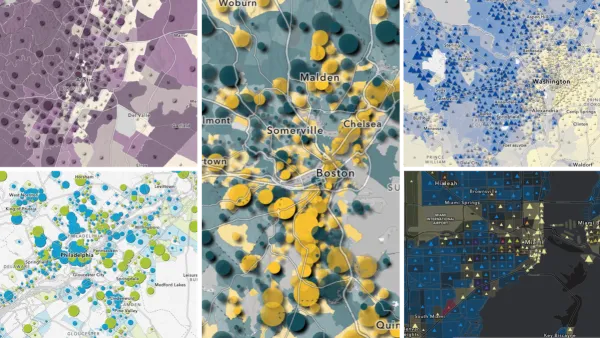
Explore US Demographics With the New ACS Atlas Collection
Esri's new ACS Atlas Collection offers interactive applications that visualize the latest U.S. demographic and socio-economic data, enabling users to explore over 175 curated web maps across various thematic areas.
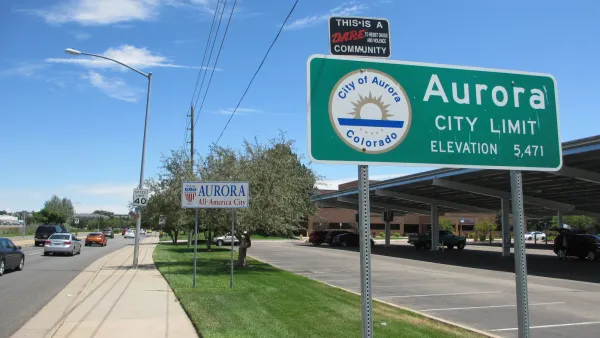
Mobile Social Services Address Gaps in Suburban Colorado
In the Denver suburb of Aurora, nonprofits are using 'mobile public spaces' to reach refugees settling in the autocentric community.

Planetizen Federal Action Tracker
A weekly monitor of how Trump’s orders and actions are impacting planners and planning in America.

Amtrak, CN end decades-long dispute with eight-year agreement
The new operating agreement establishes an updated framework for the companies to work together, including processes to resolve disputes.

Judges permit Denver to divert 77,000 acre feet from the Colorado River for reservoir expansion
Overuse and climate change have caused the Colorado River’s water levels to plummet.

NYC plants over 18,000 trees, the most new foliage in a decade
Many of the trees were planted in communities vulnerable to extreme heat.

New bill requires California data center developers to create water scarcity plans
Gov. Gavin Newsom recently signed 7 bills intended to give California communities more information about the impact of proposed data centers.

San Diego may kill one-third of its bus routes as budget crisis looms
Under the city's proposed plan, 21% of Metropolitan Transit System riders would lose access to transit services.

FREE Course: Walkable City 1: Why Walkability?
After describing his path towards focusing on walkability as the essence of good planning, Jeff Speck marches through his five principal reasons for making more walkable places.
Reinventing Malls: Planning Alchemy—Turning Gray Fields Into Gold
The course focuses on the opportunities and imperatives that shape reinvention of mall sites.

City of Wisconsin Rapids
Harvard University Graduate School of Design
KFH Group Inc.
The Architects Foundation
University of Cincinnati Online
The Pocatello Development Authority
The Urban Renewal Agency of the City of Pocatello