Brendan Patrick Hughes examines what other cities can learn from the recently constructed Target Field.


By delivering on the kind of promises for infrastructure improvements that typically go unmet in publicly funded stadium projects, the $550 million Target Field has had a "transformative effect" on Minneapolis, writes Hughes. Light rail extensions, new bicycle lanes, an accompanying bike-share program, and nearby transit-oriented development are among the upgrades.
City officials are confident the stadium will have a lasting impact, Hughes says. He quotes Andrew Dahl, assistant to Minneapolis's economic development director:
"Transit, biking and pedestrian access to games and through the neighborhoods has soared. Restaurants and bars are bursting at the seams. A few accompanying policy changes have resulted in the city's first pedicabs and street food vendors. I think when we look back 10 or 20 years from now at what Minneapolis has become, this stadium will really be the definitive turning point."
Read the full story: City Study: Minneapolis

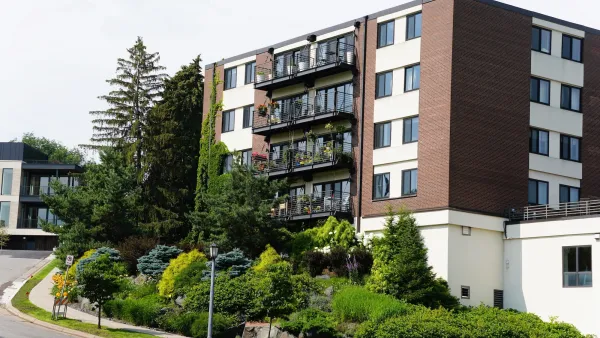
How policy changes helped Minneapolis beat rent inflation
Despite a boom in population, Minneapolis has managed to keep rents relatively steady through a combination of legislative action and private investment.
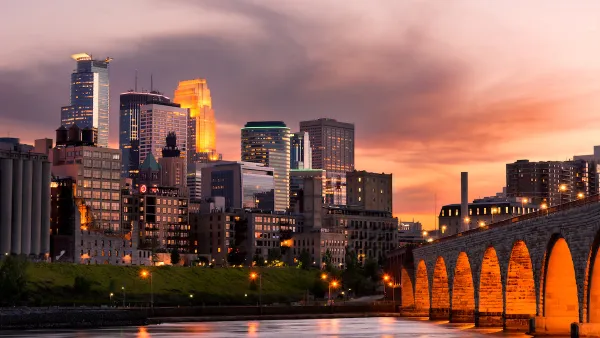
Minneapolis as a Model for Housing Affordability
Through a combination of policies, the city has managed to limit the severity of the nationwide housing crisis.
Zoning Reform Is Working in Minneapolis
The city has grown its housing stock and limited rent cost increase to just 1 percent.

Planetizen Federal Action Tracker
A weekly monitor of how Trump’s orders and actions are impacting planners and planning in America.

Amtrak, CN end decades-long dispute with eight-year agreement
The new operating agreement establishes an updated framework for the companies to work together, including processes to resolve disputes.

Northwest rail fans eager for Sept. 30 debut of Amtrak’s Airo fleet
Get ready for that new train smell and more seats. But they won’t go faster or run more frequently on the Cascades route in Washington and Oregon.

As El Niño approaches, Newsom vetos bill aimed at protecting California levees from flooding
Gov. Gavin Newsom said the state’s allocated $170 million was enough funding; State experts estimate it will cost $3.3 billion to repair the California Delta's levees.

Boston sues Trump administration over revoked infrastructure grant
The Trump administration withdrew the infrastructure grant because less than 1% of the money would go to electric vehicle charging infrastructure.

NYC to turn city-owned property into thousands of homes
The city has scheduled a public hearing regarding the development for October.

FREE Course: Walkable City 1: Why Walkability?
After describing his path towards focusing on walkability as the essence of good planning, Jeff Speck marches through his five principal reasons for making more walkable places.
Reinventing Malls: Planning Alchemy—Turning Gray Fields Into Gold
The course focuses on the opportunities and imperatives that shape reinvention of mall sites.

City of Thousand Oaks
City of Wisconsin Rapids
Harvard University Graduate School of Design
The Architects Foundation
University of Cincinnati Online
The Pocatello Development Authority
The Urban Renewal Agency of the City of Pocatello