Amanda Thompson, planning director of Decatur, GA, suggests that it is a good thing there isn't such a thing as "designer malpractice" or planners would be sued for the horrible impact their work has had on the public health.


Thompson writes:
"I'd like to suggest that if there was such a thing as designer malpractice we would be in a lot of trouble right now. We have created a land use and transportation system that actually prevents a healthy lifestyle. Ironic, considering the preamble of most zoning ordinances indicates a goal of promoting the "health, safety and general welfare" of the inhabitants of a city. Back in the 1900's we were arm in arm with our friends in public health fighting infectious diseases-separating land uses, establishing systems to clean water and get our waste carried away-but somewhere along the way we transformed into little worker cogs focused on specific issues like the perfect bridge design or the exact number of malaria cases."
Thompson calls for planners to create places that "celebrate our human nature" and encourage activity in public places.
Thanks to Hazel Borys
Read the full story: A Municipal Planner’s Call to Arms (and Legs, Hearts and Lungs)

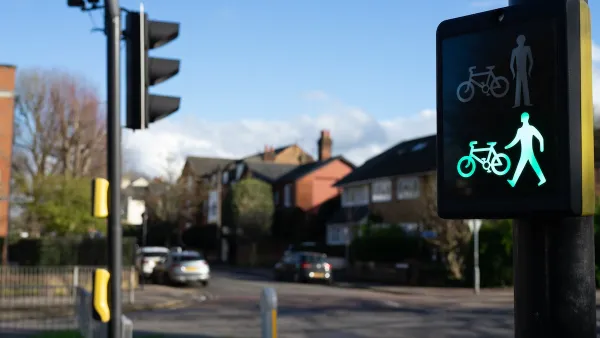
‘Safe Land Use:’ A Key to Road Safety
How approaching transportation planning through a public health lens can reduce traffic deaths.
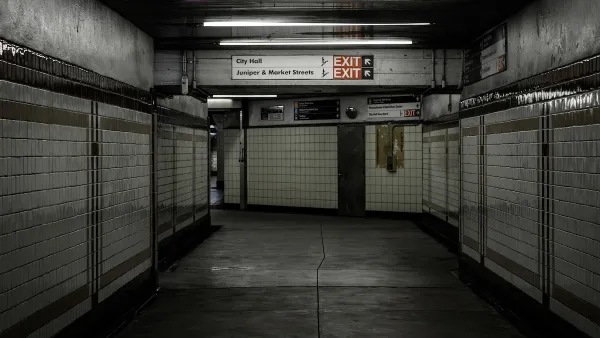
How Does Air Quality in a Philly Subway Station Compare to the Outdoors?
A team of researchers found much higher levels of particulate matter inside the City Hall subway station than on the street-level sidewalks directly above the station.
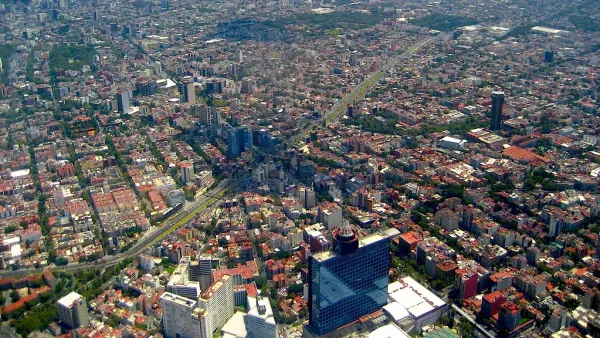
A Compact, Connected, Clean, and Inclusive Recovery for Mexico
As the Mexican government charts the country’s recovery from COVID-19, a newly published paper charts national solutions to urban transportation and housing challenges that will put Mexico’s cities on a path to prosperity and resilience.

Planetizen Federal Action Tracker
A weekly monitor of how Trump’s orders and actions are impacting planners and planning in America.

The state-sanctioned urbicide of Austin
People don’t kill cities. Freeways do.

Colorado’s Largest Data Center Could Rise Next to Homes — Without a Public Hearing
The proposed campus would consume 11 times the power of Denver International Airport; as it has across the country, opposition mounts.

Nation's most wind-powered state turns to coal as data centers increase energy demand
For the first time in decades, Iowa has increased its generation of coal power.
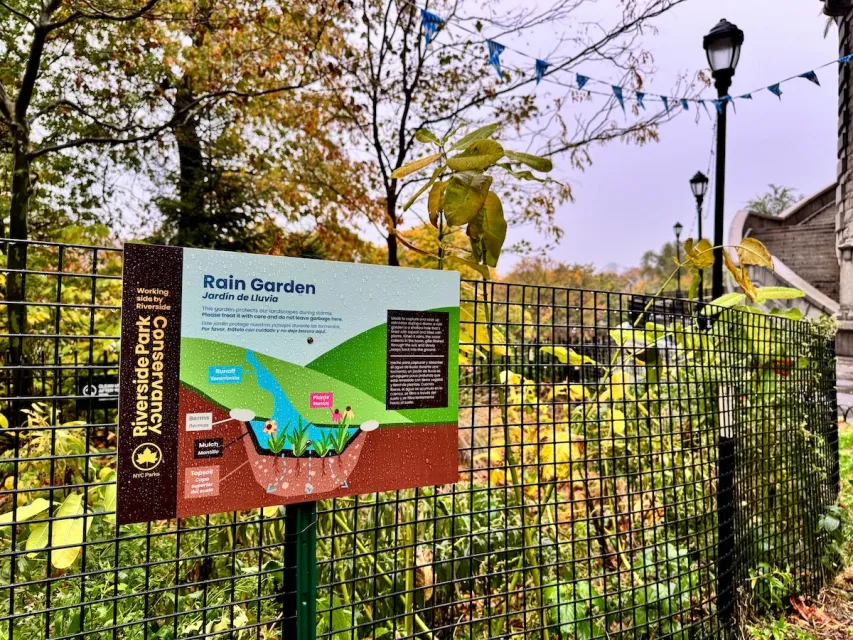
NYC cools commuters with city's first rain garden above a bus stop
New York City officials say the plants in the rain garden can absorb 16 gallons of rainwater during heavy storms.

Brightline West’s future may rely on $6 billion federal loan
The company has until Nov. 2 to make a $400 million equity investment into its proposed high-speed rail line.

FREE Course: Walkable City 1: Why Walkability?
After describing his path towards focusing on walkability as the essence of good planning, Jeff Speck marches through his five principal reasons for making more walkable places.
Reinventing Malls: Planning Alchemy—Turning Gray Fields Into Gold
The course focuses on the opportunities and imperatives that shape reinvention of mall sites.

Greater Baltimore Committee
Eagle County Government
Harvard University Graduate School of Design
The Architects Foundation
University of Cincinnati Online
The Pocatello Development Authority
The Urban Renewal Agency of the City of Pocatello
Journal of the American Planning Association