Aerotropolises are cities that develop around airports into vibrant centers of business and residences. The Boston area had a chance to make one, but the city and state missed out, according to this column.


Peter Canellos writes that the state's refusal to build a new major airport 20 years ago caused it to miss out on an opportunity to grow an entirely new business hub.
"Massachusetts does not have an aerotropolis. When confronted with the opportunity to lay the groundwork for a second major airport, 20 years ago, the state passed it up. It was, in the eyes of some economists, a big mistake, the kind that separates the truly global metropolises from the boutique cities.
The reasons were, to a large extent, the usual ones in Massachusetts. Hubris - the sense among many policy makers that economic growth was inevitable, a force to be channeled and, if necessary, limited, rather than given any special encouragement. Local resistance - the belief that any change would harm the quality of life rather than enhance it. And short-sightedness - a sense that transportation was meant to serve those already living here, rather than to be a magnet to attract more."
FULL STORY: Aerotropolis

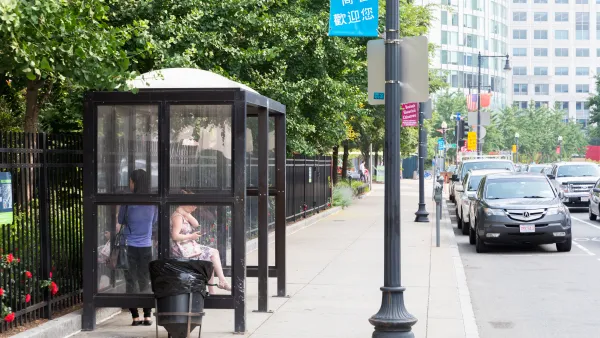
Boston requests proposals for new street furniture program
The city is looking to expand its network of bus shelters, wayfinding kiosks and other infrastructure.

Does every planner need an AI policy?
From a hundred-person agency to a one-person consultancy, the answer is yes. The difference is what “policy" means.
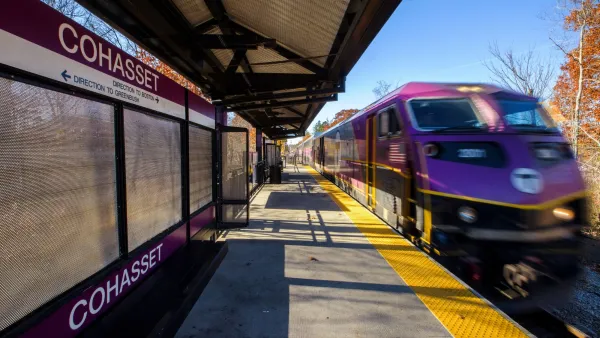
MBTA extends commuter rail discounts and lowers express bus fare to keep passengers riding into the fall
Boston-area commuters can access half-price monthly passes through November.

The state-sanctioned urbicide of Austin
People don’t kill cities. Freeways do.

US to reduce Colorado River water deliveries to Mexico
A new Colorado Treaty amendment reduces Mexico’s Colorado River water allocation by 250,000 acre feet.

New Jersey’s second-largest city bans standalone data centers
Jersey City will continue to allow co-location facilities, such as those meant for research institutions that store their own data.

Amtrak not solely to blame for New Jersey commuter rail's unreliability, report finds
A new study from the Garden State Initiative found that NJ Transit’s budget grew 20% across a 4 year period, but reliability declined significantly over the same period.

EPA erases limits on planet-warming pollution from power plants
Under Monday’s plan, power plants would still have some limits on how much mercury, arsenic and other contaminants they can emit.

Phoenix announces new on-demand transit service, more frequent RAPID buses
Both new services will launch in October, and are part of Phoenix's Project Effective Access Solutions for Easing Congestion.

FREE Course: Walkable City 1: Why Walkability?
After describing his path towards focusing on walkability as the essence of good planning, Jeff Speck marches through his five principal reasons for making more walkable places.
Reinventing Malls: Planning Alchemy—Turning Gray Fields Into Gold
The course focuses on the opportunities and imperatives that shape reinvention of mall sites.

Eagle County Government
Harvard University Graduate School of Design
Nashville Planning Department
The Architects Foundation
University of Cincinnati Online
The Pocatello Development Authority
The Urban Renewal Agency of the City of Pocatello
Journal of the American Planning Association