A proposed irrigation project near the Incan citadel of Machu Picchu in Peru that would divert water away from small villages has sparked violent protests.


The plan is part of a move by the government to expand its agriculture sector, but would require diverting water from small villages near Machu Picchu.
"The project envisages a dam and water system to irrigate 95,000 acres of agricultural land in the region of Arequipa, part of a Peruvian government plan to boost agriculture and diversify the economy away from mining. Officials said the irrigation project could generate 150,000 or 200,000 jobs.
Authorities issued a decree guaranteeing Espinar's water supplies but residents's suspicion grew after the state investment agency, allegedly without consultation, awarded a concession to a private consortium called Angostura-Siguas."
Read the full story: Machu Picchu train halted over water protests

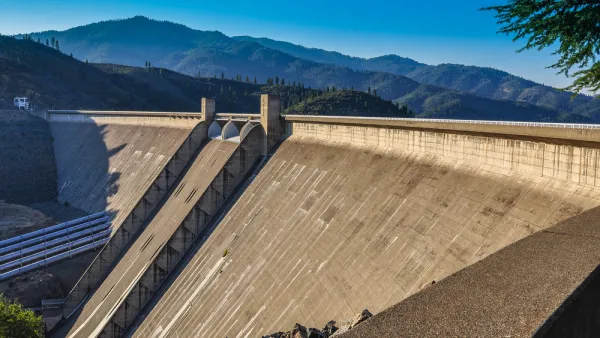
Why Are the Feds Suddenly in Favor of Raising the Shasta Dam?
Despite state opposition and potential violations of California law, the Trump Administration has revived a project that was deemed impracticable only a few years ago.

There Are Some Major Irrigation Problems We Need to Talk About
We can all do better when it comes to water.
Water Woes Hurting California's Farming Towns
California's Central Valley is one of the top agricultural sites in the world, but with low rainfall and cut-off irrigation supplies, farming towns and their citizens may face at least one tough year ahead.

Planetizen Federal Action Tracker
A weekly monitor of how Trump’s orders and actions are impacting planners and planning in America.

HUD modernizes 50-year-old manufactured housing framework
The Next Generation Manufactured Housing Action Plan establishes new energy-efficiency standards for manufactured homes, and new guidelines for anchoring them.

Data reveals that NYC’s bet on congestion pricing has paid off
After almost two years of the program, reports show positive impacts on traffic and air quality and no disruptions to parking.

Trump is shattering Pennsylvania's dreams of becoming a leader in hydrogen energy
Progress on both of the state’s planned hydrogen hubs ground to a halt after Trump took office.

Despite tough talk from Abbott and Paxton, Texas penalties for data center violations are light
Texas officials are promising tougher enforcement on data centers, but the existing law may offer limited leverage over the industry that has largely failed to report its water use.

How Chicago, New York and Seattle are funding transit projects amid tough times
Notes from the American Public Transportation Association's TransForm conference in Chicago.

FREE Course: Walkable City 1: Why Walkability?
After describing his path towards focusing on walkability as the essence of good planning, Jeff Speck marches through his five principal reasons for making more walkable places.
Reinventing Malls: Planning Alchemy—Turning Gray Fields Into Gold
The course focuses on the opportunities and imperatives that shape reinvention of mall sites.

One Hundred Miles
County of Mendocino
planning NEXT
The Architects Foundation
University of Cincinnati Online
Montrose County
Northern Illinois Transit Authority (NITA)
The Pocatello Development Authority