Despite some accusations that the federal stimulus funding has not been filtering down to actual transportation projects, work is being done. But the influx of money hasn't been able to revive a flagging construction industry.


"In the past 18 months, Obama's Department of Transportation has committed $38.6 billion to more than 14,600 projects, and the vast majority of them are under way. About 70% of the money is going to highways; the rest is mostly for subways, buses, light rail and other transit projects, plus more than a billion dollars for Amtrak and a similar amount for airports. None of it is going to earmarked projects, and while the impact is not always obvious - most states chose not to erect signs touting the stimulus at construction sites - the work has directly supported an average of 45,800 jobs over the past year, and much more than that over Obama's mocked 'Recovery Summer.' Those jobs, the White House likes to point out, would all disappear if the GOP fulfilled its pledge to cancel the rest of the stimulus."
But as Time reports, the construction industry is still struggling. There is more than 17% unemployment in that sector. Officials argue that it's difficult to get transportation projects started quickly.
FULL STORY: Where Did the Transportation Stimulus Money Go?

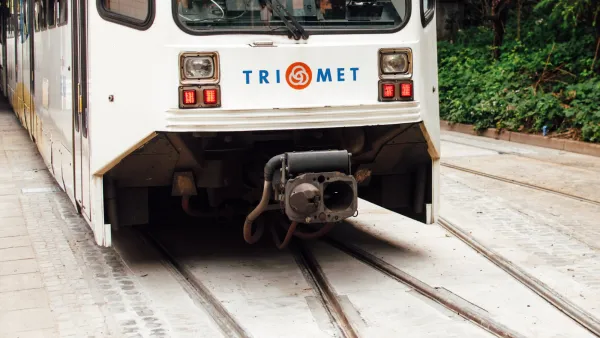
New Questions Around Portland-Area Light Rail Project
A proposed rail line would run from downtown Portland, Oregon, to the suburbs. The budget has increased significantly, and many funding and project scope questions remain.
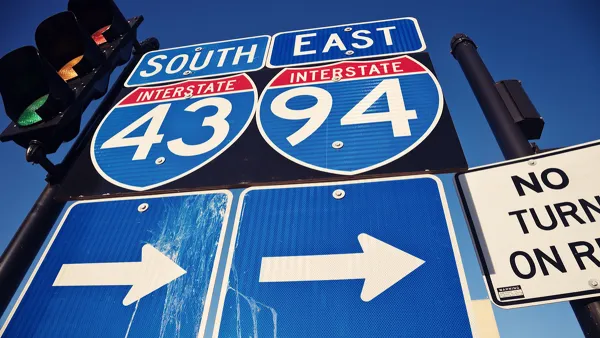
Wisconsin Law Could Delay Major Highway Projects
A plan to save money on highway megaprojects is likely to backfire, experts warn.
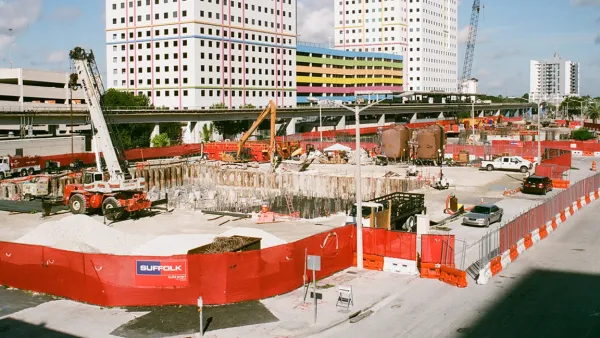
Trump Administration Kills Obama Era Local Hiring Program
The U.S. Department of Transportation quietly killed an Obama Administration program that would have been the only federal level local hiring initiative.

Planetizen Federal Action Tracker
A weekly monitor of how Trump’s orders and actions are impacting planners and planning in America.

The state-sanctioned urbicide of Austin
People don’t kill cities. Freeways do.

US to reduce Colorado River water deliveries to Mexico
A new Colorado Treaty amendment reduces Mexico’s Colorado River water allocation by 250,000 acre feet.

LA Metro’s ultimatum: no extra buses for LA28 if federal funding isn’t imminently secured
If Metro does not provide additional buses, LA28 organizers will have to find a new way to manage Olympic traffic. LA28’s budget does not include a line item for transit.

Colorado’s Largest Data Center Could Rise Next to Homes — Without a Public Hearing
The proposed campus would consume 11 times the power of Denver International Airport; as it has across the country, opposition mounts.

5 New England states march closer to 800 megawatt wind energy project
Securing federal approval for the project may be complicated under the Trump administration, which has historically been hostile towards domestic wind power.

FREE Course: Walkable City 1: Why Walkability?
After describing his path towards focusing on walkability as the essence of good planning, Jeff Speck marches through his five principal reasons for making more walkable places.
Reinventing Malls: Planning Alchemy—Turning Gray Fields Into Gold
The course focuses on the opportunities and imperatives that shape reinvention of mall sites.

Eagle County Government
Harvard University Graduate School of Design
Nashville Planning Department
The Architects Foundation
University of Cincinnati Online
The Pocatello Development Authority
The Urban Renewal Agency of the City of Pocatello
Journal of the American Planning Association