There are more extreme commuters (a minimum of 1.5 hrs round trip) than ever, with a 95% increase since 1990, says Michael Graham Richard at Treehugger.


Richard writes, "Extreme commuting has high environmental costs, because it takes a lot of energy to move people long distances (and it's worse since most of them are alone in their vehicles), but there are also high health and social costs. The stress adds up and can lead to health problems ("raised blood pressure, musculoskeletal disorders, increased hostility, lateness, absenteeism, and adverse effects on cognitive performance"), as well as family problems (especially for parents with young children)."
He notes that there could easily be another category of extreme extreme commuters, since lots of people regularly commute more than the minimum suggested in the Census.
FULL STORY: More Road Zombies Than Ever: 3.4 Million Americans are Extreme Commuters

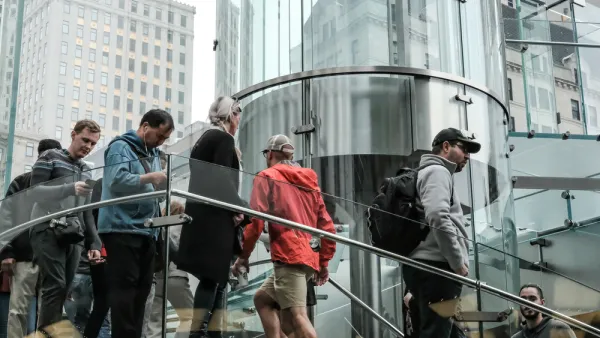
Long Commutes in Seattle Fell Sharply During the Pandemic
The number of people commuting 20 minutes or more each way dropped by close to half a million, while short commutes rose slightly.
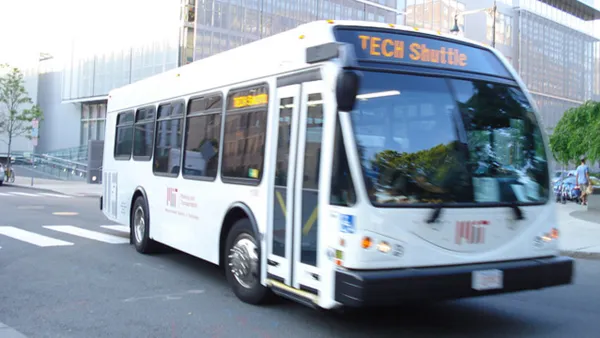
Tech Buses: Not Just for Techies, and Not Just for San Francisco
What began as Google buses, transporting highly paid engineers from San Francisco to Silicon Valley, has transformed into multi-company fleets serving white- and blue-collar workers in the 3,000-square-mile Northern California megaregion.
Bay Area Extreme Commuting for the Love of Larger, Affordable Single Family Homes
It's a tradeoff that 3.9 percent of the Bay Area workforce are willing to make to own an affordable home. It's often not even a choice between living in the city or the suburbs, but the close-in suburbs or the exurbs or San Joaquin Valley.

The state-sanctioned urbicide of Austin
People don’t kill cities. Freeways do.

US to reduce Colorado River water deliveries to Mexico
A new Colorado Treaty amendment reduces Mexico’s Colorado River water allocation by 250,000 acre feet.

New Jersey’s second-largest city bans standalone data centers
Jersey City will continue to allow co-location facilities, such as those meant for research institutions that store their own data.

Amtrak not solely to blame for New Jersey commuter rail's unreliability, report finds
A new study from the Garden State Initiative found that NJ Transit’s budget grew 20% across a 4 year period, but reliability declined significantly over the same period.

EPA erases limits on planet-warming pollution from power plants
Under Monday’s plan, power plants would still have some limits on how much mercury, arsenic and other contaminants they can emit.

Phoenix announces new on-demand transit service, more frequent RAPID buses
Both new services will launch in October, and are part of Phoenix's Project Effective Access Solutions for Easing Congestion.

FREE Course: Walkable City 1: Why Walkability?
After describing his path towards focusing on walkability as the essence of good planning, Jeff Speck marches through his five principal reasons for making more walkable places.
Reinventing Malls: Planning Alchemy—Turning Gray Fields Into Gold
The course focuses on the opportunities and imperatives that shape reinvention of mall sites.

Eagle County Government
Harvard University Graduate School of Design
Nashville Planning Department
The Architects Foundation
University of Cincinnati Online
The Pocatello Development Authority
The Urban Renewal Agency of the City of Pocatello
Journal of the American Planning Association