Do certain kinds of people - students, elderly, environmentalists - choose to ride transit because of who they are? Or does the proper infrastructure make the difference?


Michael D. writes, "Why do Europeans walk more, cycle more, and take transit more? Surely it is something about their culture? But this is an excessively dispositional attribution. I won't deny that culture plays some role in transit use, especially in the decisions that lead to the creation of transportation infrastructure. But that infrastructure itself and the services provided on it are a strong influence on the transportation choices people make. The European infrastructure situation facilitates those other modes of travel much more so than does typical North American transportation infrastructure."
Read the full story: The fundamental attribution error in transportation choice
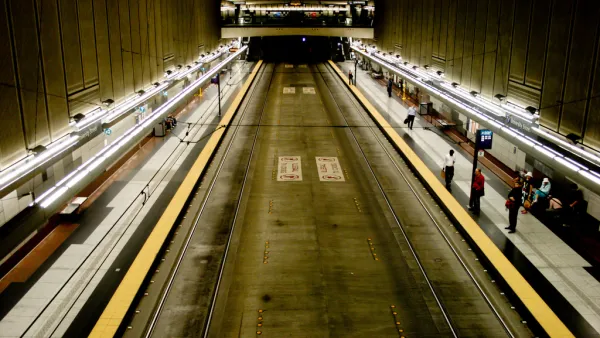
Comparing Transit Choice by City
What does the way transit commuters move say about their city?
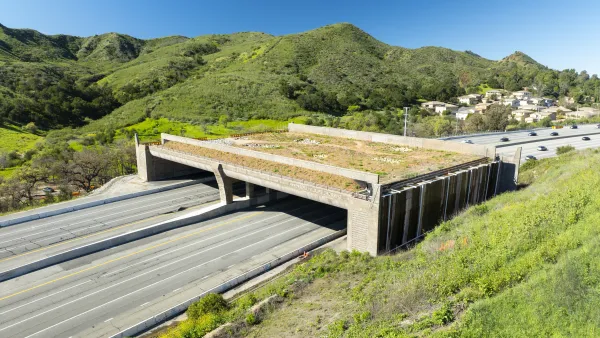
California invests $2.7 billion in over 150 transportation projects
The fund allocates money to transit upgrades and safety improvements to streets surrounding schools, among other ventures.
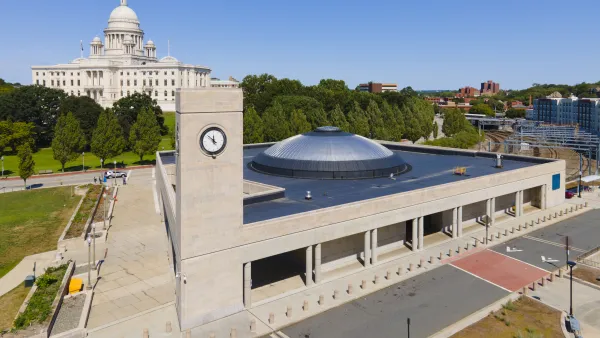
Providence train station to gain new bus hub
The new hub will replace the one currently located at Kennedy Plaza.

Planetizen Federal Action Tracker
A weekly monitor of how Trump’s orders and actions are impacting planners and planning in America.

Washington state to charge fee to drivers with fuel-efficient cars
Revenue from the fee will go towards supporting the state’s highways.

Illinois considers spending $1 billion in taxpayer money on data center
A quantum computing campus and data center are currently under construction in Chicago.

‘Demolition of our heritage:’ Some US tribes speak out against BAAJA
A coalition of indigenous groups in the United States are concerned about provisions in the bill that may weaken their ability to halt large energy projects.

How LA’s new mayor plans to tackle affordable housing crisis
Mayor-elect Nithya Raman has proposed overhauling the city’s permitting process.

Interactive map reveals Pennsylvania's abandoned oil, gas wells — many on residential property
It is difficult for residents to know if a well is near their home, or if it poses a threat to them.

FREE Course: Walkable City 1: Why Walkability?
After describing his path towards focusing on walkability as the essence of good planning, Jeff Speck marches through his five principal reasons for making more walkable places.
Reinventing Malls: Planning Alchemy—Turning Gray Fields Into Gold
The course focuses on the opportunities and imperatives that shape reinvention of mall sites.

City of Charlotte
City of Rosemead
Rutgers University, Edward J. Bloustein School of Planning and Public Policy
University of Michigan School for Environment and Sustainability (SEAS)
Hunter College, City University of New York (CUNY)
The Architects Foundation
University District Partnership