Lifestyle Choices
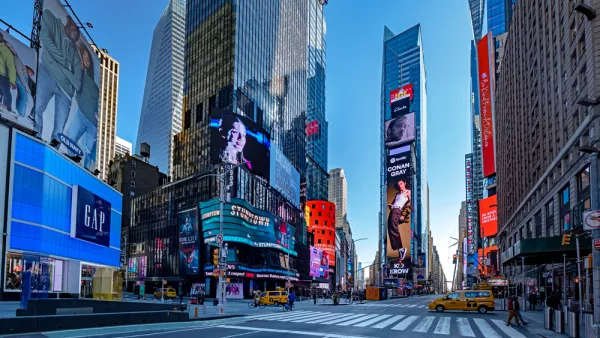
Poll: One-Third of Americans Thinking of Moving to Less Densely Populated Areas
In the midst of the pandemic, Americans are expressing a new preference for less crowded spaces, according to the results of a Harris Poll conducted last week.
Where People Choose to Live—Simple and Also Not-So-Simple
A new study confirms much of what we already suspect about the choices people make about where to live, but with a far-reaching, scientific approach.
When is a Suburb Not a Suburb?
Joel Kotkin has said there is a war on suburbia. But as Michael Scott writes on New Geography (Kotkin's home base), where does suburbia start and the city end? Where do inner-ring suburbs fit in this model?
Why do People Choose to Ride Transit?
Do certain kinds of people - students, elderly, environmentalists - choose to ride transit because of who they are? Or does the proper infrastructure make the difference?
How Housing Choices Affect Climate Change
NPR's Climate Connections series explores how American's lifestyles affect climate change. In this first of two articles, Elizabeth Shogren introduces an Emory University researcher who moves out of Atlanta into her 'dream house' in the suburbs.

FREE Course: Walkable City 1: Why Walkability?
After describing his path towards focusing on walkability as the essence of good planning, Jeff Speck marches through his five principal reasons for making more walkable places.
Reinventing Malls: Planning Alchemy—Turning Gray Fields Into Gold
The course focuses on the opportunities and imperatives that shape reinvention of mall sites.

City of Rosemead
Rutgers University, Edward J. Bloustein School of Planning and Public Policy
One Hundred Miles
University of Michigan School for Environment and Sustainability (SEAS)
Hunter College, City University of New York (CUNY)
The Architects Foundation
City of Cambridge
Montrose County
The Pocatello Development Authority









