What does the way transit commuters move say about their city?


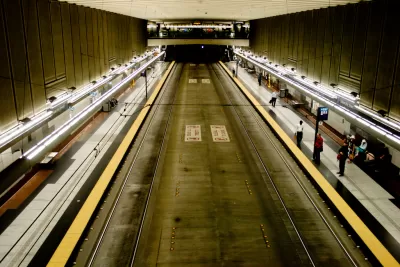
Stephen Hudson has taken ridership data (i..e, unlinked passenger trips) from the Federal Transit Administration and transformed it into an infographic that shows the preferred transit modes in nine U.S. metropolitan areas with high numbers of transit commuters.
The data allows a comparison of transit mode choice between bus, commuter rail, ferry boats, heavy rail, light rail, and other, less common modes of transit. The graph compares Baltimore, Boston, Chicago, Los Angeles, New York, Philadelphia, San Francisco, Seattle, and Washington, D.C.
"Of these nine metropolitan areas, buses are the most heavily use mode of transit in six of the areas, while heavy rail are most popular only in New York, Washington, and Boston," explains Hudson of one of the findings made clear by the infographic. The article includes more analysis of the transit data, including a specific focus on the Washington, D.C. area.
Read the full story: Here are the most popular forms of transit in different cities
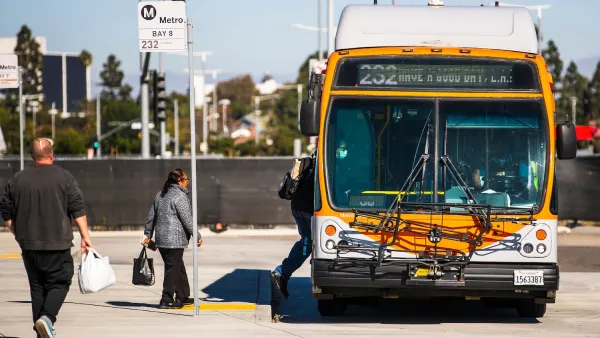
Trump Administration Wants to End Weekly Transit Data Reporting
The FTA says a Covid-era weekly reporting rule “no longer offers sufficient value.”
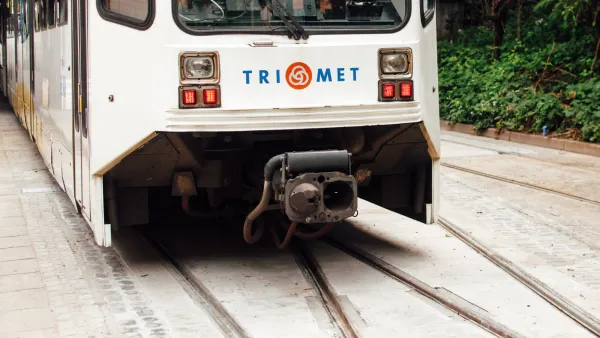
New Questions Around Portland-Area Light Rail Project
A proposed rail line would run from downtown Portland, Oregon, to the suburbs. The budget has increased significantly, and many funding and project scope questions remain.
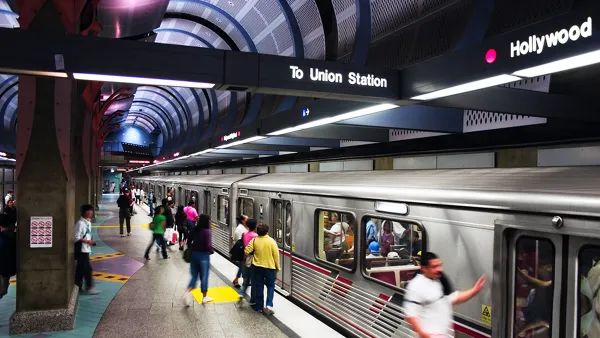
Infographic: Incomes Along Los Angeles Metro Lines
As Los Angeles weighs the merits of more major funding for Metro Rail projects, the current slate of new routes is already coming online. This graphic depicts median household incomes along existing and future rail lines.

Planetizen Federal Action Tracker
A weekly monitor of how Trump’s orders and actions are impacting planners and planning in America.

Washington state to charge fee to drivers with fuel-efficient cars
Revenue from the fee will go towards supporting the state’s highways.

Illinois considers spending $1 billion in taxpayer money on data center
A quantum computing campus and data center are currently under construction in Chicago.

‘Demolition of our heritage:’ Some US tribes speak out against BAAJA
A coalition of indigenous groups in the United States are concerned about provisions in the bill that may weaken their ability to halt large energy projects.

How LA’s new mayor plans to tackle affordable housing crisis
Mayor-elect Nithya Raman has proposed overhauling the city’s permitting process.

Interactive map reveals Pennsylvania's abandoned oil, gas wells — many on residential property
It is difficult for residents to know if a well is near their home, or if it poses a threat to them.

FREE Course: Walkable City 1: Why Walkability?
After describing his path towards focusing on walkability as the essence of good planning, Jeff Speck marches through his five principal reasons for making more walkable places.
Reinventing Malls: Planning Alchemy—Turning Gray Fields Into Gold
The course focuses on the opportunities and imperatives that shape reinvention of mall sites.

City of Charlotte
City of Rosemead
Rutgers University, Edward J. Bloustein School of Planning and Public Policy
University of Michigan School for Environment and Sustainability (SEAS)
Hunter College, City University of New York (CUNY)
The Architects Foundation
University District Partnership