Some say the age of mega infrastructure projects is over in the U.S., but this piece from Foreign Policy argues the U.S. megaproject lives on -- just not inside the U.S.


The U.S. is actively building a swath of megaprojects, but they are mostly in foreign countries. Stephen M. Walt, Professor of International Relations at Harvard University, calls out the irony.
"[I]t's not as though the United States hasn't started some big public works projects over the past decade or so; it just hasn't been doing them here at home. We've spent billions constructing military bases in Iraq and Afghanistan, for example, and another billion or more on a giant embassy in Baghdad and another one in Pakistan. Needless to say, those "public works" projects are a drain on the U.S. economy rather than a source of additional productivity.
As I've said before, Americans have come to believe that spending government revenues on U.S. citizens here at home is usually a bad thing and should be viewed with suspicion, but spending billions on vast social engineering projects overseas is the hallmark of patriotism and should never be questioned. This position makes no sense, but it is hard to think of a prominent U.S. leader who is making an explicit case for doing somewhat less abroad so that we can afford to build a better future here at home."
FULL STORY: Building at home and abroad

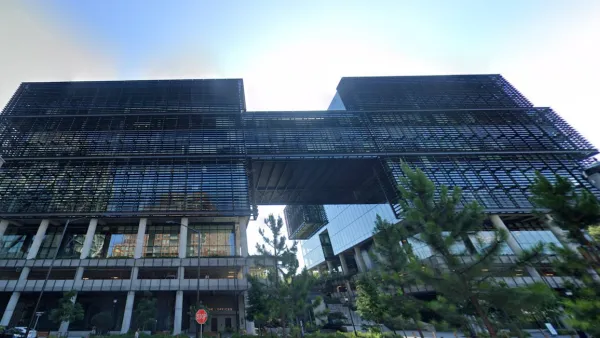
Fourth Ward Project Aims for Sustainability on Atlanta's Beltline
A new megaproject hopes to bring new life to a former industrial site.
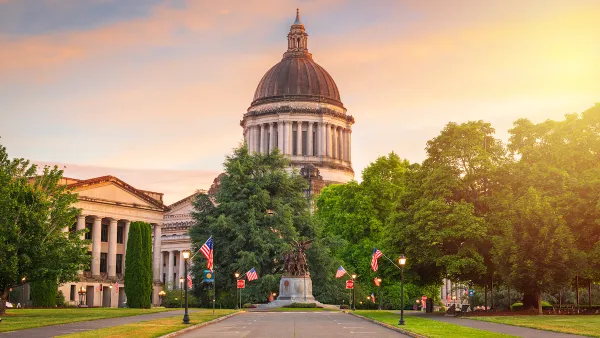
Washington State Transportation Budget Must Weigh Megaprojects, Maintenance
Major infrastructure projects face ballooning costs, putting basic maintenance and safety upgrade projects on the back burner.
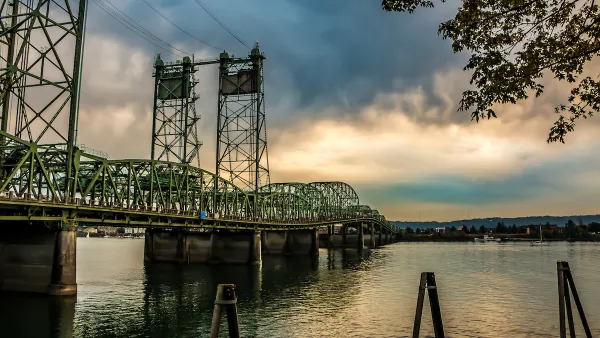
High-Profile Infrastructure Megaprojects for 2024
Federal funding is fueling a binge of major infrastructure projects spanning transportation, flood mitigation, and airport infrastructure.

Planetizen Federal Action Tracker
A weekly monitor of how Trump’s orders and actions are impacting planners and planning in America.

The state-sanctioned urbicide of Austin
People don’t kill cities. Freeways do.

US to reduce Colorado River water deliveries to Mexico
A new Colorado Treaty amendment reduces Mexico’s Colorado River water allocation by 250,000 acre feet.

5 New England states march closer to 800 megawatt wind energy project
Securing federal approval for the project may be complicated under the Trump administration, which has historically been hostile towards domestic wind power.

Baltimore to break ground on $50 million Transit Priority Project
The project will bring faster bus trips, safer streets and better bike connections to Baltimore.

Airbnb launches $250 million 'last-dollar financing' housing accelerator, makes first investment in Austin
The company will put $6.4 million towards affordable housing development in Texas’ capital.

FREE Course: Walkable City 1: Why Walkability?
After describing his path towards focusing on walkability as the essence of good planning, Jeff Speck marches through his five principal reasons for making more walkable places.
Reinventing Malls: Planning Alchemy—Turning Gray Fields Into Gold
The course focuses on the opportunities and imperatives that shape reinvention of mall sites.

Eagle County Government
Harvard University Graduate School of Design
Nashville Planning Department
The Architects Foundation
University of Cincinnati Online
The Pocatello Development Authority
The Urban Renewal Agency of the City of Pocatello
Journal of the American Planning Association