Vision 42 has proposed closing NYC's 42nd Street to car traffic and adding light rail along its length. The Mayor isn't interested, but lots of others are.


"Advocates of light rail, which would stop at every intersection along 42nd Street, said that there was still a need for better surface transportation, since the No. 7 line has no stops east of Grand Central Terminal at Lexington Avenue."
"An economic study commissioned by Vision 42 with grant money and done by the consulting firm Urbanomics of New York, projected that about 398 office properties along 42nd Street would have an average increase in lot value of $188 a square foot because of the time saved with a light rail line, a combined increase in value of 4 percent. Jeffrey Gural, the chairman of Newmark Knight Frank, a real estate company that manages office buildings along 42nd Street, said it would make sense to connect the Javits Center to the United Nations, which currently has no subway stop."
Read the full story: Without Cars, a Different Sort of 42nd St.

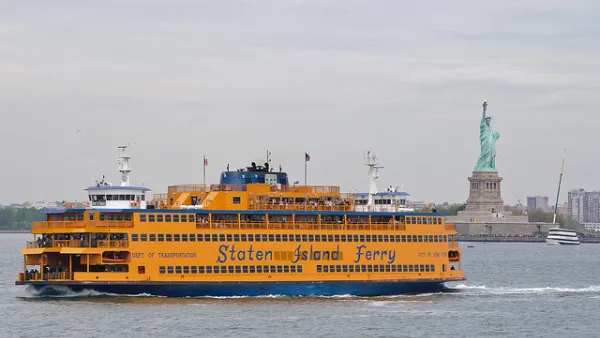
Study to Address Staten Island Transportation Deserts
Residents of Staten Island suffer from very long commutes, and many rely on cars. The New York City Council has proposed a study to determine how additional transit could be implemented in the borough.
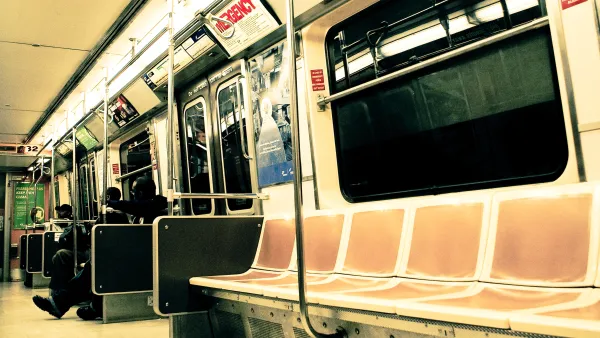
New York Will Phase Out C Train 'Brightliners' By 2017
Once the subway's pride, R-32 'Brightliner' trains that operate on the C line will soon disappear from service. Mid-century promo videos notwithstanding, the line's rolling stock was in dire need of an update.
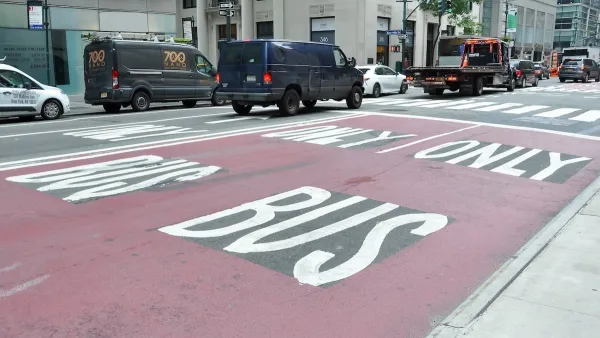
NYC DOT wants faster, more permanent street upgrades
The city is examining ways to build more concrete infrastructure without getting entangled in 'decades-long' projects.

Amtrak, CN end decades-long dispute with eight-year agreement
The new operating agreement establishes an updated framework for the companies to work together, including processes to resolve disputes.

Judges permit Denver to divert 77,000 acre feet from the Colorado River for reservoir expansion
Overuse and climate change have caused the Colorado River’s water levels to plummet.
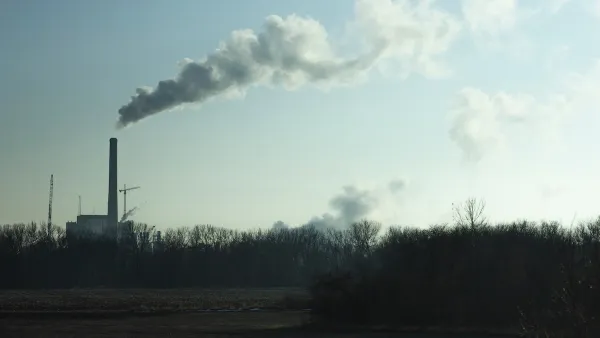
Nation's most wind-powered state turns to coal as data centers increase energy demand
For the first time in decades, Iowa has increased its generation of coal power.

Boston has spent millions making the Green Line more accessible — and there’s no end in sight
While the city has invested millions into expanding and adding platforms to the Green Line to make it more accessible, new train cars set to arrive next year will be too tall for disabled passengers to board without raising the current platforms.

Idaho may see an 18% drop in federal surface transit funding — the largest estimated cut in the US
Transit systems in rural communities are much more reliant on federal funding to provide their services.

How ‘post-disaster gentrification’ alters neighborhoods after natural calamities
After hurricanes, fires or other calamities, the original residents of a community are often replaced by younger, wealthier residents.

FREE Course: Walkable City 1: Why Walkability?
After describing his path towards focusing on walkability as the essence of good planning, Jeff Speck marches through his five principal reasons for making more walkable places.
Reinventing Malls: Planning Alchemy—Turning Gray Fields Into Gold
The course focuses on the opportunities and imperatives that shape reinvention of mall sites.

City of Wisconsin Rapids
Harvard University Graduate School of Design
KFH Group Inc.
The Architects Foundation
University of Cincinnati Online
The Pocatello Development Authority
The Urban Renewal Agency of the City of Pocatello