Stockholm's congestion charge is not only reducing traffic and greenhouse gas emissions, it's also increasing sales of alternative fuel vehicles.


"[A] new study has found another benefit from so-called congestion pricing: In the 24-square kilometer congestion zone in Sweden's capital, the number of registered alternative fuel vehicles, which are exempt from congestion tolls, jumped from five percent of the total vehicle fleet in 2006 to 14 percent in 2008.
'The changes in the make-up of the vehicle fleet are not exclusively due to the congestion tax, but surveys show that exemption from the congestion tax is the single most significant incentive for those buying alternative fuel vehicles in Stockholm,' concluded the report, which was released this month by the Stockholm Traffic Administration."
Greenhouse gas emissions were down 14%-18% in 2008 compared to 2005 figures, and traffic congestion fell by 18% over that same time period.
Read the full story: Congestion Tax Boosts Alt-Fuel Vehicle Use


New York Congestion Pricing Approved by MTA Board
The program took another step forward as the board approved a proposed pricing scheme, but lawsuits still stand in the way of full implementation.
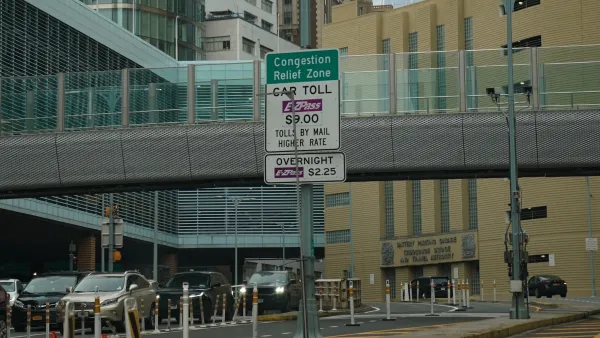
Judge Rules to Keep NYC Congestion Pricing, Ending Trump's Legal Challenge
The decision likely deals a fatal blow to efforts to end the program, but the Trump administration says it will explore other avenues for reversing the congestion pricing scheme.
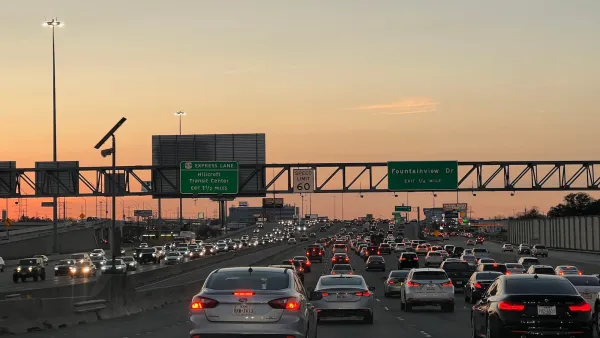
US Traffic Patterns are Shifting, but Car-centric Development Persists
Los Angeles, Honolulu, and San Francisco ranked among the nation’s most congested cities, while New York reduced traffic and increased transit speed and ridership thanks to its congestion pricing program.

Planetizen Federal Action Tracker
A weekly monitor of how Trump’s orders and actions are impacting planners and planning in America.

Data reveals that NYC’s bet on congestion pricing has paid off
After almost two years of the program, reports show positive impacts on traffic and air quality and no disruptions to parking.

HUD modernizes 50-year-old manufactured housing framework
The Next Generation Manufactured Housing Action Plan establishes new energy-efficiency standards for manufactured homes, and new guidelines for anchoring them.

Small single-family homes are illegal in most of MA. Voters can change that
Most land zoned for single-family housing in Massachusetts requires at least 40,000 square feet of land per house.

Public steps inside U.S.’s first battery-powered train
Metra’s groundbreaking train feature modern seats and a futuristic battery car.

Companies show off AI technology, new innovation hubs at APTA Expo
Nearly 700 companies attended the American Public Transportation Association’s Expo last week, which happens once every three years.

FREE Course: Walkable City 1: Why Walkability?
After describing his path towards focusing on walkability as the essence of good planning, Jeff Speck marches through his five principal reasons for making more walkable places.
Reinventing Malls: Planning Alchemy—Turning Gray Fields Into Gold
The course focuses on the opportunities and imperatives that shape reinvention of mall sites.

One Hundred Miles
County of Mendocino
planning NEXT
The Architects Foundation
University of Cincinnati Online
Montrose County
Northern Illinois Transit Authority (NITA)
The Pocatello Development Authority