A new study from the UK Royal Society has determined that geo-engineering techniques are technically feasible approaches to address high levels of carbon dioxide in the atmosphere and the resulting global warming.


The group of scientists is the highest profile organization in the UK to back the idea of geo-engineering, which proposes to use human-made and -built technologies to counteract rising temperatures. The group did, however, caution that the viability of these techniques should not dissuade governments from other policies aimed at cutting emissions and energy use.
"[T]hey also stressed that the potential of geo-engineering should not divert governments away from their efforts to reduce carbon emissions.
Suggestions range from having giant mirrors in space to erecting giant CO2 scrubbers that would "clean" the air.
Such engineering projects could either remove carbon dioxide or reflect the Sun's rays away from the planet."
Read the full story: Engineering Earth 'is feasible'

FTA Kills ‘Social Cost of Carbon’ in Transit Grant Criteria
The Capital Investments Grant program will no longer factor in the future impacts of carbon emissions.
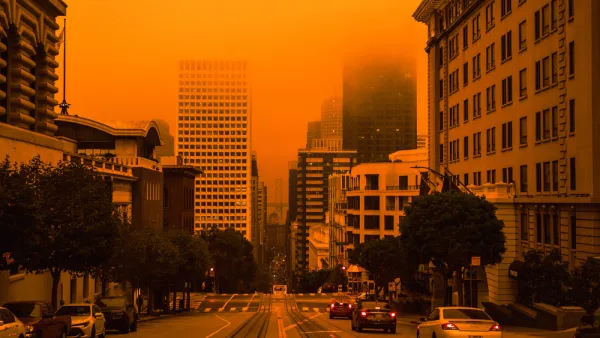
Climate Change Concerns Rising Among Americans
More Americans than ever agree climate change is happening—but fewer agree on what to do about it.
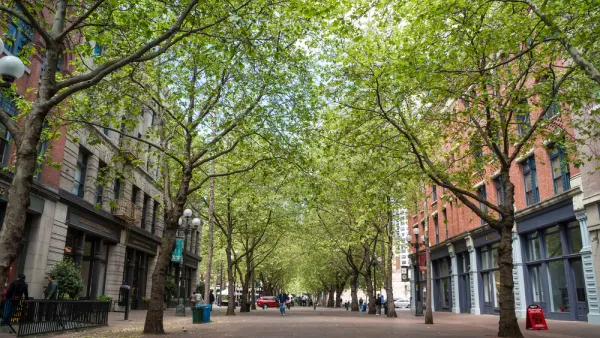
Cool Planning for a Hotter Future
Global warming increases the importance of designing buildings and communities that are comfortable, efficient, and safe in hot conditions.

Planetizen Federal Action Tracker
A weekly monitor of how Trump’s orders and actions are impacting planners and planning in America.

California plans to bury El Niño’s downpour
If the state plays its cards right, it may be able to store a billion acre-feet of El Niño’s water in aquifers.

Desperate measures: Advocates weigh draining Lake Powell to fill Colorado River
Draining the reservoir could reduce evaporation losses by a couple hundred thousand acre-feet.

US buildings threatened, destroyed by fires set to triple by 2060
Researchers found a high fire risk for socioeconomically vulnerable neighborhoods in the American West.

LA residents may be allowed to paint their own crosswalks
Councilwoman Katy Yaroslavsky put out a motion instructing the Los Angeles Department of Public Transportation to study the feasibility of allowing volunteers to paint crosswalks.

Dallas moves to overhaul its zoning code
The city's zoning reform will allow more multi-family and mixed-use developments.

FREE Course: Walkable City 1: Why Walkability?
After describing his path towards focusing on walkability as the essence of good planning, Jeff Speck marches through his five principal reasons for making more walkable places.
Reinventing Malls: Planning Alchemy—Turning Gray Fields Into Gold
The course focuses on the opportunities and imperatives that shape reinvention of mall sites.

City of Rosemead
Rutgers University, Edward J. Bloustein School of Planning and Public Policy
One Hundred Miles
Hunter College, City University of New York (CUNY)
The Architects Foundation
University of Cincinnati Online
City of Cambridge
Montrose County
The Pocatello Development Authority