A 14-mile road segment that would connect two highways in Texas is a contender for stimulus funding in the state. But it would also cause the removal of at least 23 acres of wetlands. Environmentalists are upset the proposal is being considered.


In addition, some question whether this project really is as "shovel-ready" as officials think.
"While the project has completed the necessary environmental review with the Federal Highway Administration, it lacks a necessary permit from the Army Corps of Engineers. The permit allows wetlands to be filled in and is needed before construction can begin. Segment E could involve filling in at least 23 acres of wetlands.
There is also the question of two lawsuits that have been filed concerning Segment E and the future development it will enable.
So why was this considered "shovel ready"? The designation-and the stimulus money that came with it-angered urban planning groups and environmentalists who say the road is a waste of taxpayer money since few people presently live out there."
Thanks to The Infrastructurist
Read the full story: MOVE IT!
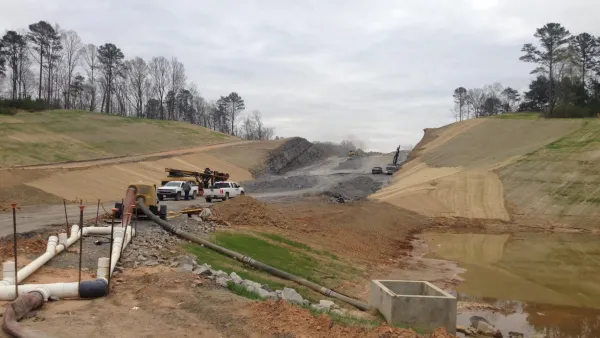
Alabama DOT wants to fill wetlands for interstate project
The Birmingham Northern Beltline would run roughly 52 miles through forests and wetlands that are home to multiple endangered species.
Majority of Stimulus Spent on Roads
States are spending the vast majority of federal stimulus money on building or repairing roads and highways, according to a new study.

94% of wetlands could lose federal protections under proposed EPA rule
The ruling would only allot federal protections to waterways that flow nearly everyday, which few wetlands do.

Planetizen Federal Action Tracker
A weekly monitor of how Trump’s orders and actions are impacting planners and planning in America.

Eastern Nebraska is running out of electricity
Data centers and electrification are straining eastern Nebraska’s grid, throttling economic development.

Study reveals best places in the U.S. for cycling, walking
New research from Streetlight Data examines bicycle and pedestrian miles per capita in the 100 largest U.S. cities by population.

Strained electrical grid forces San Francisco to choose: housing, or data centers?
The city is approaching its maximum grid capacity, leaving leaders with tough choices about what projects to siphon energy toward.

Next-generation nuclear reactors are coming to Texas
The reactors will not require towering containment structures thanks to new safety features.

California distributes $1.3 billion to prevent transit service cuts, bolster projects
Twenty-eight projects across California received a portion of the funding.

FREE Course: Walkable City 1: Why Walkability?
After describing his path towards focusing on walkability as the essence of good planning, Jeff Speck marches through his five principal reasons for making more walkable places.
Reinventing Malls: Planning Alchemy—Turning Gray Fields Into Gold
The course focuses on the opportunities and imperatives that shape reinvention of mall sites.

City of Charlotte
City of Rosemead
Rutgers University, Edward J. Bloustein School of Planning and Public Policy
University of Michigan School for Environment and Sustainability (SEAS)
Hunter College, City University of New York (CUNY)
The Architects Foundation
City of Cambridge
The Pocatello Development Authority
The Urban Renewal Agency of the City of Pocatello