Reporters at the Land Use Accountability Project have uncovered evidence that home appraisers were under great pressure at the height of the bubble to inflate home values.


"The Center also found many appraisers who say they bowed to lender pressure to 'hit the numbers' in order to remain in business. These appraisers, along with the lenders who pressured them, helped pump air into the housing bubble that led to widespread economic devastation, according to dozens of appraisers, lenders, and others with intimate knowledge of home loan practices.
And there's evidence that Fannie Mae and Freddie Mac, the two largest purchasers of home loans, bought mortgages without ensuring they were made with accurate appraisals, according to an investigation by New York Attorney General Andrew Cuomo.
No one knows exactly how much of a role inflated appraisals played in the mortgage meltdown. But as an increasing number of homeowners face foreclosure, many remain unaware that the appraisal they paid for during the purchase process may not have reflected the true value of their investment, and may have allowed them to borrow more money than their home was worth."
Read the full story: The Appraisal Bubble
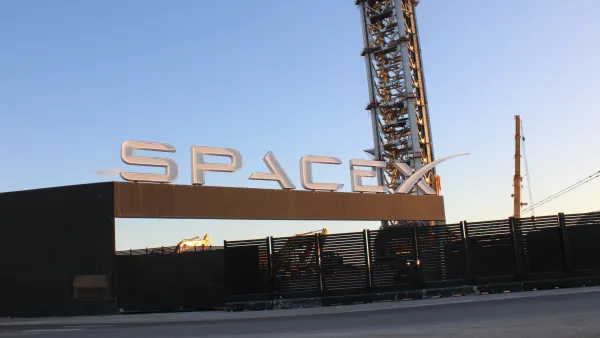
Home values, property tax rises in Texas county after the arrival of SpaceX
The median property tax bill in Cameron County increased by more than 57% over six years.
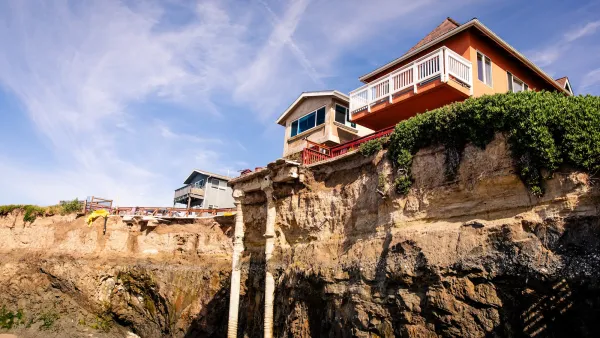
Zillow Deleted Climate Risk From California Listings. This Climate Expert Wants to Bring it Back.
While difficult to estimate for individual homes, experts argue that home buyers should have access to data about flood and wildfire risk, extreme heat, and other climate hazards in the area.
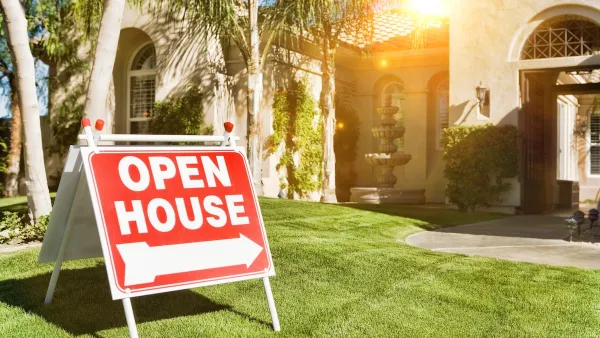
The Federal Government Won’t Stop Home Appraisal Bias. Local Officials Can.
Racial bias in appraisals is still a problem — but there are steps we can take to fight back. Philadelphia's reforms are a model to follow.

Planetizen Federal Action Tracker
A weekly monitor of how Trump’s orders and actions are impacting planners and planning in America.

Washington state to charge fee to drivers with fuel-efficient cars
Revenue from the fee will go towards supporting the state’s highways.

Illinois considers spending $1 billion in taxpayer money on data center
A quantum computing campus and data center are currently under construction in Chicago.

Did data centers change how voters cast their ballots?
Texas, Ohio, and Georgia all flipped party control. But in rural counties, the effect of local data centers was mixed.

Amtrak invests in eight new Airo trainsets
The new trainsets will begin serving passengers in 2031.

HUD to end aid for mixed-immigration-status households
The new rule is projected to impact 80,000 people, nearly half of whom are children.

FREE Course: Walkable City 1: Why Walkability?
After describing his path towards focusing on walkability as the essence of good planning, Jeff Speck marches through his five principal reasons for making more walkable places.
Reinventing Malls: Planning Alchemy—Turning Gray Fields Into Gold
The course focuses on the opportunities and imperatives that shape reinvention of mall sites.

City of Charlotte
City of Rosemead
Rutgers University, Edward J. Bloustein School of Planning and Public Policy
University of Michigan School for Environment and Sustainability (SEAS)
Hunter College, City University of New York (CUNY)
The Architects Foundation
University District Partnership