Low fuel prices, high corn prices, and a new CA regulation that penalizes the energy intensity necessary to convert corn to fuel are hurting the industry.


"California's largest ethanol producer, Pacific Ethanol of Sacramento, closed its plants in Madera and Stockton earlier this year, laying off nearly 80 people in the process. The Stockton plant had been open less than five months.
The firm warned investors last week that it could run out of cash by the end of April. The nation's second-largest ethanol producer, VeraSun Energy Corp. of South Dakota, went bankrupt last fall.
Ethanol companies went on a plant-building binge while oil and gasoline prices were still rising. Because ethanol is blended into gasoline, the prices of the two fuels are linked, and ethanol companies wanted to cash in. But too many biorefineries opened, swamping the market.
Then the industry was hit by a double-whammy. Corn prices rose, cutting company profit margins. Then gas prices collapsed, wiping out what little margins were left."
Read the full story: Producers look to next generation of biofuels

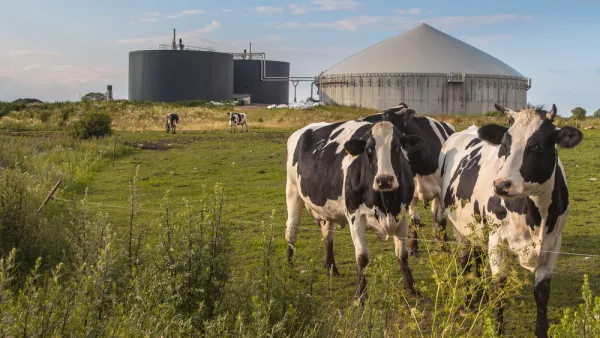
Renewable Natural Gas Makes Inroads in California, Oregon, and Missouri
What is expected to be the nation's largest dairy biogas operation opened in the Central Valley. To the north, Gov. Kate Brown signed the nation's first bill to establish goals to add renewable gas to pipelines, and pigs in Missouri also made news.

Summertime Ethanol Restriction Lifted to Help Corn Farmers—But at What Cost?
President Trump made good on his promise last October to lift the E15 ban in time for the summer driving season. Not mentioned by the Des Moines Register are the downsides to allowing the higher ethanol blend to be sold during the summer, e.g., smog.
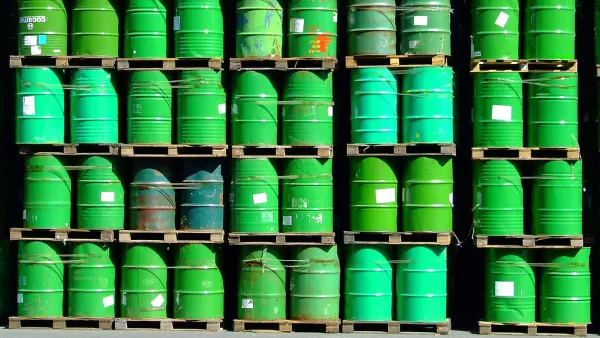
U.S. Becomes Net Oil Exporter, If Only Briefly
Oil independence, a goal set by President Nixon in the depth of the 1973 energy embargo, was achieved in the last week of November thanks to a fluke in record keeping as well as an "unprecedented boom in American oil production."

Amtrak, CN end decades-long dispute with eight-year agreement
The new operating agreement establishes an updated framework for the companies to work together, including processes to resolve disputes.

Judges permit Denver to divert 77,000 acre feet from the Colorado River for reservoir expansion
Overuse and climate change have caused the Colorado River’s water levels to plummet.
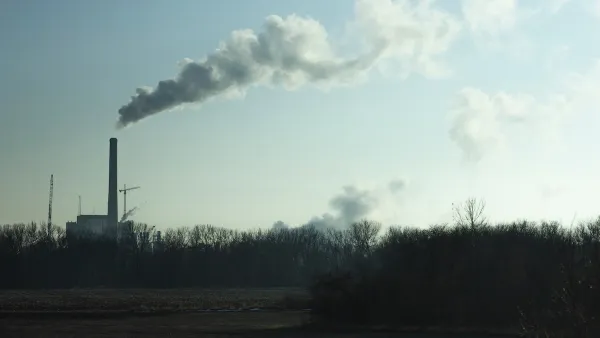
Nation's most wind-powered state turns to coal as data centers increase energy demand
For the first time in decades, Iowa has increased its generation of coal power.

Boston has spent millions making the Green Line more accessible — and there’s no end in sight
While the city has invested millions into expanding and adding platforms to the Green Line to make it more accessible, new train cars set to arrive next year will be too tall for disabled passengers to board without raising the current platforms.

Idaho may see an 18% drop in federal surface transit funding — the largest estimated cut in the US
Transit systems in rural communities are much more reliant on federal funding to provide their services.

How ‘post-disaster gentrification’ alters neighborhoods after natural calamities
After hurricanes, fires or other calamities, the original residents of a community are often replaced by younger, wealthier residents.

FREE Course: Walkable City 1: Why Walkability?
After describing his path towards focusing on walkability as the essence of good planning, Jeff Speck marches through his five principal reasons for making more walkable places.
Reinventing Malls: Planning Alchemy—Turning Gray Fields Into Gold
The course focuses on the opportunities and imperatives that shape reinvention of mall sites.

City of Wisconsin Rapids
Harvard University Graduate School of Design
KFH Group Inc.
The Architects Foundation
University of Cincinnati Online
The Pocatello Development Authority
The Urban Renewal Agency of the City of Pocatello