The Chicago Tribune formed its own panel of international judges -- made up of tourists -- to tour and evaluate the city's proposed venues for the 2016 Summer Olympics.


"When an International Olympic Commission visits Chicago starting Thursday, reporters generally will be kept at arm's length. So the Tribune formed its own international panel by pulling tourists off the street and taking them for a limo ride to proposed venues.
We found them snapping pictures of the American Gothic-themed statue in Pioneer Court and at the Harris Family Hostel in the South Loop. They were from such far-flung locales as Australia, Poland and Wisconsin, and ranged in age from 18 to 61. In exchange, we promised them lunch.
It's hard for us to know how our city looks to outsiders. So here is a frank assessment from this group: If Chicago's 2016 Olympics bid were judged solely on the aesthetics of the proposed venues downtown, its bid would be formidable indeed."
Read the full story: Chicago Olympics: Tourists get a jump on IOC judges

Chicago Rat Hole Becomes Viral Urban Sensation
The rodent-shaped sidewalk imprint has captured hearts and imaginations on social media but has proven a headache for neighbors.
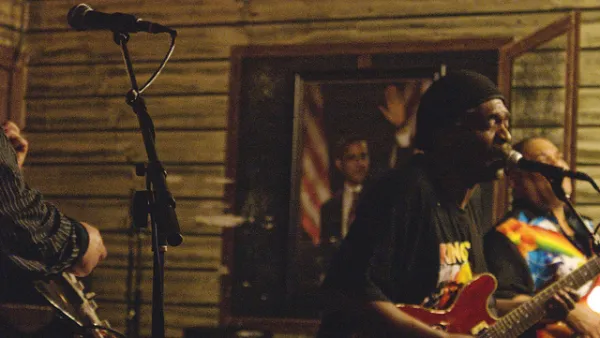
Chicago Could Lose the Blues
An editorial in Crain's suggests that by not taking full advantage of its history with the Blues, Chicago is wasting a precious cultural resource and missing an opportunity for tourism dollars.
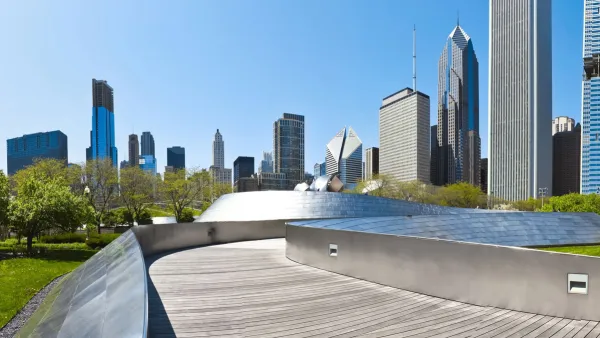
Will Chicago Be the Next to Jump on the Sky Gondola?
Chicago's looking for a new tourist attraction, and the sky gondola has made the short list. Private investors have proposed to construct a sky gondola as a tourist attraction crossing over the Chicago River, but will the plan fly?

Planetizen Federal Action Tracker
A weekly monitor of how Trump’s orders and actions are impacting planners and planning in America.

California plans to bury El Niño’s downpour
If the state plays its cards right, it may be able to store a billion acre-feet of El Niño’s water in aquifers.

Desperate measures: Advocates weigh draining Lake Powell to fill Colorado River
Draining the reservoir could reduce evaporation losses by a couple hundred thousand acre-feet.

Chicago voters approve permanent festival grounds, penalty for vacant property owners
Currently, major summer and fall festivals take over public parks for weeks at a time, drawing criticism from nearby residents

NYC votes to cut outdoor dining red tape, speed up permitting
New York City also voted to allow the Department of Transportation to begin work on urgent projects before notifying elected officials.

California appears to reject Prop. 45
The proposition would have expanded the projects that qualify for a streamlined environmental review, effectively paring down the California Environmental Quality Act.

FREE Course: Walkable City 1: Why Walkability?
After describing his path towards focusing on walkability as the essence of good planning, Jeff Speck marches through his five principal reasons for making more walkable places.
Reinventing Malls: Planning Alchemy—Turning Gray Fields Into Gold
The course focuses on the opportunities and imperatives that shape reinvention of mall sites.

City of Rosemead
Rutgers University, Edward J. Bloustein School of Planning and Public Policy
One Hundred Miles
Hunter College, City University of New York (CUNY)
The Architects Foundation
University of Cincinnati Online
City of Cambridge
Montrose County
The Pocatello Development Authority