Due to consumers cutting back, the global market for recyclables has collapsed and even begun to cost some cities' recycling programs.


"Mountains of paper are now piling up in warehouses across the US. A handful of recyclers have already gone out of business. If prices don't rebound soon, taxpayers could see their recycling bills increase as cities decide to follow Fountain Inn's lead and cut back their recycling programs – once a reliable revenue source – or start paying to keep them. "
"Still, there's some optimism that the current crisis will be short-lived. Cities can expect less revenue from its recycling operations, but recycling won't simply disappear, says Jorge Santiesteban, solid resources manager for the city of Los Angeles.
In the short term, domestic recyclers can recoup some losses by charging higher collection fees – as Fountain Inn did. And most large cities negotiate long-term contracts with minimum prices to keep revenue flowing.
Some states are mulling systemic changes, like requiring domestic producers to use more recycled material in their products. In California, says Mr Santiesteban, there is an awareness that "the infrastructure has to be rebuilt" to make it less reliant on the export market. "
Read the full story: Economic crisis hits city recycling

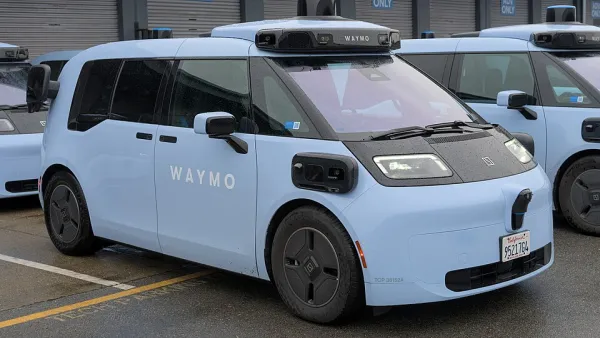
Waymo’s Ojai robotaxis from China now able to pick up all riders
Steep tariffs and tight federal laws haven’t stopped Waymo from purchasing over 3,200 vehicles from Zeekr, a Chinese manufacturer.
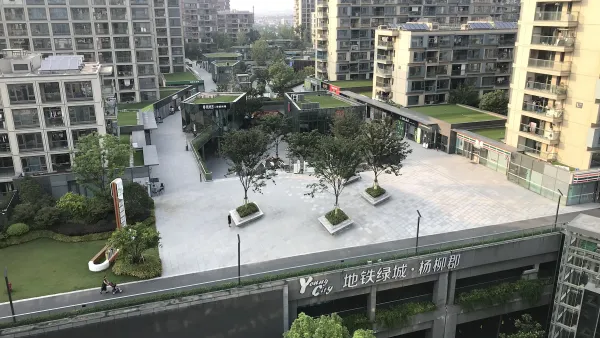
Above the tracks: China's unique model for transit-oriented development
How China builds neighborhoods above its metro depots.

From Brownfields to Community Assets: A Conference on Land Revitalization
The 2025 California Land Recycling Conference (CALRC) will convene experts in Carson, CA, from September 16-18 to discuss brownfield redevelopment, sustainability, and equitable land reuse, with session proposals open until March 31, 2025.

Planetizen Federal Action Tracker
A weekly monitor of how Trump’s orders and actions are impacting planners and planning in America.

‘Going backwards:’ Baltimore mayor, students rally against state's transit funding plan
Maryland's proposed six-year plan provides no funding for Baltimore’s BMORE bus program and reduces its road maintenance funding.
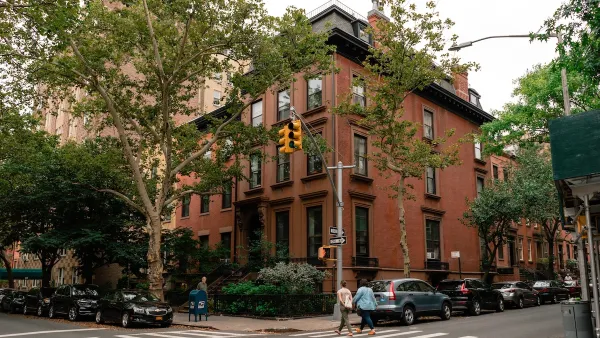
Mamdani sent nearly 6,000 pied-à-terre tax warnings to homes that didn’t qualify
A judge has ordered the administration to cancel thousands of pied-à-terre tax notices after it sent 35% of them erroneously.

Mamdani sent nearly 6,000 pied-à-terre tax warnings to homes that didn’t qualify
A judge has ordered the administration to cancel thousands of pied-à-terre tax notices after it sent 35% of them erroneously.

Detroit to transform waterfront with $2.2 billion investment
Developers will convert about 18 acres of unused parking lot space into civic spaces.

‘Going backwards:’ Baltimore mayor, students rally against state's transit funding plan
Maryland's proposed six-year plan provides no funding for Baltimore’s BMORE bus program and reduces its road maintenance funding.

FREE Course: Walkable City 1: Why Walkability?
After describing his path towards focusing on walkability as the essence of good planning, Jeff Speck marches through his five principal reasons for making more walkable places.
Reinventing Malls: Planning Alchemy—Turning Gray Fields Into Gold
The course focuses on the opportunities and imperatives that shape reinvention of mall sites.

City of Thousand Oaks
City of Wisconsin Rapids
Harvard University Graduate School of Design
The Architects Foundation
University of Cincinnati Online
Northern Illinois Transit Authority (NITA)
The Pocatello Development Authority
The Urban Renewal Agency of the City of Pocatello