Time's Michael Kinsley explains why now is the perfect time to introduce a revenue-neutral gas tax, with the revenue used to lower the payroll.


"This idea always comes up and never goes anywhere. That's partly because of our general loathing of taxes and suspicion of Washington
But a couple of things are different now. First, we have experienced the high energy prices that people in most of the rest of the world already live with, and we know we can live with them too. Four-dollar gasoline is no longer unthinkable.
Second, this is the perfect moment for the other part of many proposals for an energy tax, which is to give the money back to people by lowering the payroll tax. The payroll tax, or FICA, collects about 15% of your wages or salary - half from you and half from your employer We could cut the FICA tax by more than half.
FICA is, in effect, a tax on job creation. It applies to the very first dollar earned by a minimum-wage worker, but most of it tops out at an annual income of about $100,000 and doesn't apply at all to income from investments. For most Americans holding jobs, FICA now takes a bigger chunk of their income than the income tax itself. And yet it rarely enjoys the tender concern of tax-cutting Republicans, who prefer to concentrate on tax breaks for capital gains."
Thanks to Mike Keenly
Read the full story: Black Gold: It's Time to Raise the Gas Tax


Why does Maryland's gas tax change every year?
The state's annual gas tax update may still not be enough to keep up with changes in the transportation sector and rising project costs.
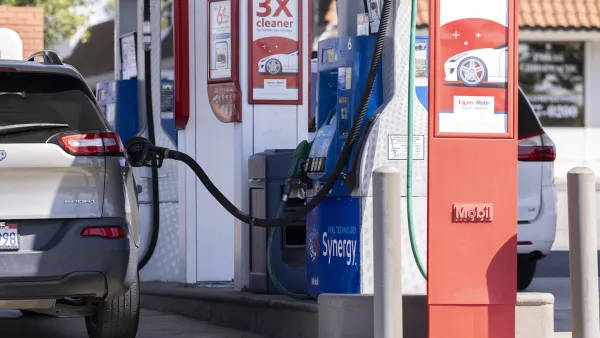
Analysis: Suspending the gas tax wouldn't save Americans much on gas this summer
Even if Congress approves a proposal to temporarily lift the federal gas tax, a variety of other factors and transportation and processing delays would mean American consumers would see little difference at the pump.
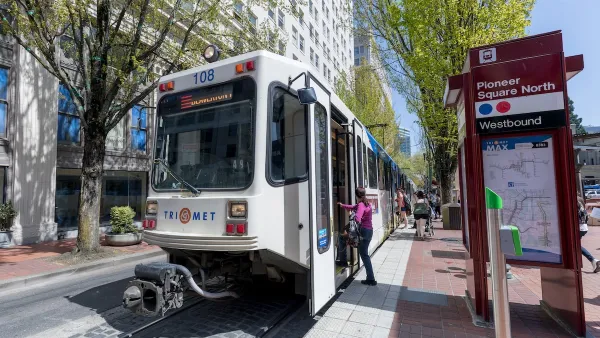
Oregon Transportation Bill Saves 500 ODOT Jobs, but Leaves Future Funding Uncertain
A bill passed in a special legislative session will raise over $4 billion for transportation and public transit in the next 10 years, but fails to establish a long-term funding solution.

Planetizen Federal Action Tracker
A weekly monitor of how Trump’s orders and actions are impacting planners and planning in America.

Data reveals that NYC’s bet on congestion pricing has paid off
After almost two years of the program, reports show positive impacts on traffic and air quality and no disruptions to parking.

HUD modernizes 50-year-old manufactured housing framework
The Next Generation Manufactured Housing Action Plan establishes new energy-efficiency standards for manufactured homes, and new guidelines for anchoring them.

Small single-family homes are illegal in most of MA. Voters can change that
Most land zoned for single-family housing in Massachusetts requires at least 40,000 square feet of land per house.

Public steps inside U.S.’s first battery-powered train
Metra’s groundbreaking train feature modern seats and a futuristic battery car.

Companies show off AI technology, new innovation hubs at APTA Expo
Nearly 700 companies attended the American Public Transportation Association’s Expo last week, which happens once every three years.

FREE Course: Walkable City 1: Why Walkability?
After describing his path towards focusing on walkability as the essence of good planning, Jeff Speck marches through his five principal reasons for making more walkable places.
Reinventing Malls: Planning Alchemy—Turning Gray Fields Into Gold
The course focuses on the opportunities and imperatives that shape reinvention of mall sites.

One Hundred Miles
County of Mendocino
planning NEXT
The Architects Foundation
University of Cincinnati Online
Montrose County
Northern Illinois Transit Authority (NITA)
The Pocatello Development Authority