Mecklenberg County, NC has created a program to encourage kids to walk to school in an attempt to curb obesity, but they're finding that the road to good intentions isn't properly paved.


"A few administrators at schools here (and other cities as well) don't want kids walking to school. They think it's unsafe. They think kids already have bus rides so why would they want to walk? In addition, many principals spend their time trying to make sure kids are learning and teachers are teaching. How students arrive at school -- as long as it's not causing immediate problems -- is way, way down the list."
"But there are other problems, too, that even the principals who DO want kids to walk or bike can't surmount: Lack of sidewalks. Lack of crosswalks. Lack of midblock stoplights on long, long blocks. Lack of bike lanes. Lack of crossing guards. Those policies and decisions are not within a principal's authority, but reside with the City of Charlotte.
And it's even more complicated."
Read the full story: Why it's not easy to walk to school

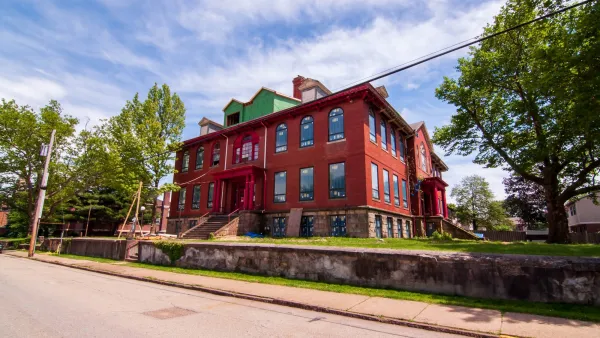
School-to-housing Conversions are the Fastest-growing Sector of Adaptive Reuse
In 2024, former schools were redeveloped into almost 2,000 apartments.

San Diego School District Backtracks on Teacher Housing Proposal
After receiving more than a dozen proposals from developers, the district’s board failed to reach a decision or issue further guidance to potential builders.
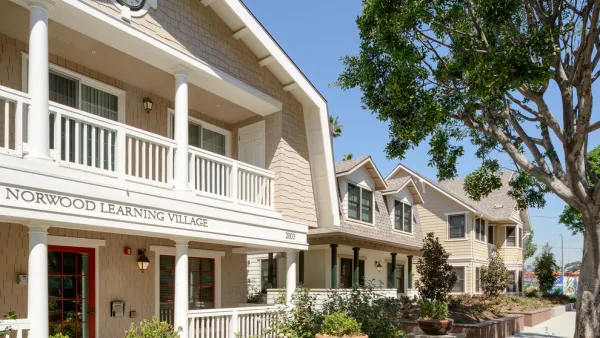
Teachers Make 5% Less Than a Decade Ago. These Districts are Building Housing for Them
The housing crisis is hitting education workers particularly hard, making it difficult to find housing near their workplaces.

Planetizen Federal Action Tracker
A weekly monitor of how Trump’s orders and actions are impacting planners and planning in America.

‘Going backwards:’ Baltimore mayor, students rally against state's transit funding plan
Maryland's proposed six-year plan provides no funding for Baltimore’s BMORE bus program and reduces its road maintenance funding.

Detroit to transform waterfront with $2.2 billion investment
Developers will convert about 18 acres of unused parking lot space into civic spaces.

HUD modernizes 50-year-old manufactured housing framework
The Next Generation Manufactured Housing Action Plan establishes new energy-efficiency standards for manufactured homes, and new guidelines for anchoring them.

New CA housing laws tear down development red tape
Recently-signed legislation makes building starter homes and ADUs cheaper and faster in California.

Metrolink finishes first expansion in 20 years
The transit agency is now one of very few in the United States to connect two major airports.

FREE Course: Walkable City 1: Why Walkability?
After describing his path towards focusing on walkability as the essence of good planning, Jeff Speck marches through his five principal reasons for making more walkable places.
Reinventing Malls: Planning Alchemy—Turning Gray Fields Into Gold
The course focuses on the opportunities and imperatives that shape reinvention of mall sites.

One Hundred Miles
County of Mendocino
planning NEXT
The Architects Foundation
University of Cincinnati Online
Montrose County
Northern Illinois Transit Authority (NITA)
The Pocatello Development Authority