The new 'oil shock' is one of plummeting oil prices and its effect on alternative technologies and energy. Combined with the credit crisis, the fallout in some green technologies is shown by difficulties in attracting capital and customers.


"One type of oil shock has given way to another. Even more swiftly than the price of oil rose, it has tumbled to the range that seemed far-fetched when Reinert spoke and oil was more than $130 a barrel. Now that drop threatens a wide variety of game-changing plans to find alternatives to oil or ways to drastically reduce U.S. consumption."
"The credit crisis is compounding that threat by making it more difficult to finance capital-intensive projects."
"The uncertain future of electric cars points to a sticky aspect of the global oil equation. The price of oil can change rapidly, but responses that would cut petroleum use take time."
From NYT: "Momentum Slows for Alternative Energy":
"Alternative energies like wind and solar are facing big new challenges because of the credit freeze and the plunge in oil and natural gas prices.
Shares of alternative energy companies have fallen even more sharply than the rest of the stock market. Advocates are concerned that if the prices for oil and gas keep falling, the incentive for utilities and consumers to buy expensive renewable energy will shrink."
Thanks to Mark Boshnack
Read the full story: As Fuel Prices Fall, Will Push For Alternatives Lose Steam?

$1/Gallon Gas Consumption Tax Proposal
In this Mercury News Op-Ed, San Jose State University Professor Larry Gerston proposes this bold tax for mass transit and alternative energy programs. It yields $175 billion annually and creates green jobs, enabling us to determine our destiny.
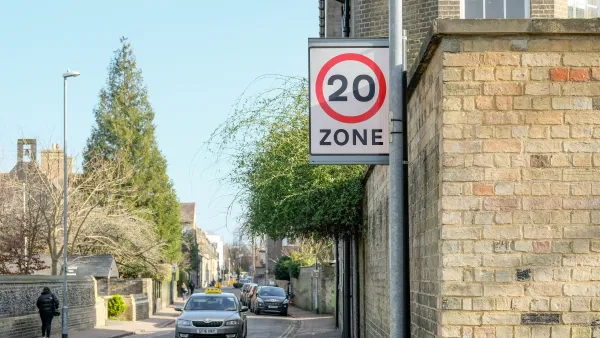
Agencies urge cutting speed limits to save gas amid war in Iran
International bodies suggest 20 is plenty to mitigate consumer pain while oil prices soar.
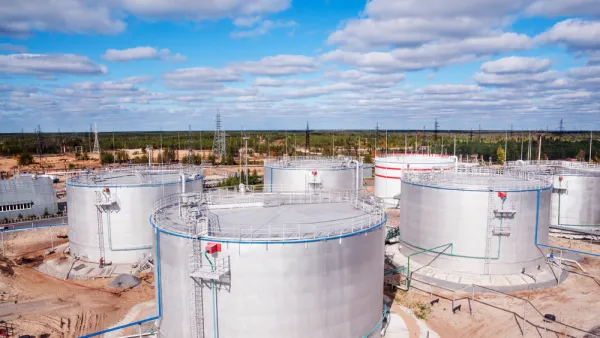
Use or Misuse of the Strategic Petroleum Reserve?
Rising gasoline prices prompted President Biden to announce on October 19 that he was authorizing the release of 15 million barrels of crude oil from the nation's Strategic Petroleum Reserve.

Planetizen Federal Action Tracker
A weekly monitor of how Trump’s orders and actions are impacting planners and planning in America.

Northwest rail fans eager for Sept. 30 debut of Amtrak’s Airo fleet
Get ready for that new train smell and more seats. But they won’t go faster or run more frequently on the Cascades route in Washington and Oregon.
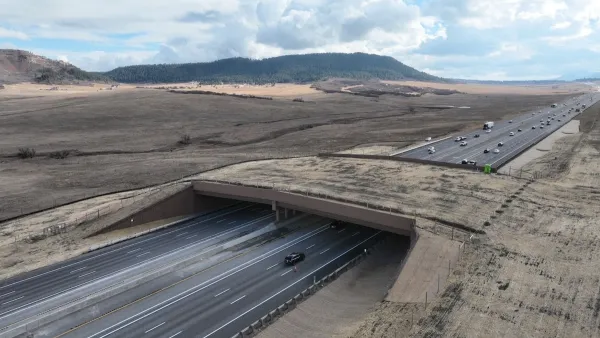
Record-breaking wildlife overpass in Colorado brings 91% reduction in animal collisions
Prior to the overpass, vehicles were hitting one deer per day on Colorado’s Interstate 25.

Detroit to transform waterfront with $2.2 billion investment
Developers will convert about 18 acres of unused parking lot space into civic spaces.

‘Going backwards:’ Baltimore mayor, students rally against state's transit funding plan
Maryland's proposed six-year plan provides no funding for Baltimore’s BMORE bus program and reduces its road maintenance funding.

Trump wants to cancel nearly 98% of funding for HUD housing support program
Multiple housing groups are suing the administration in an effort to preserve the funding.

FREE Course: Walkable City 1: Why Walkability?
After describing his path towards focusing on walkability as the essence of good planning, Jeff Speck marches through his five principal reasons for making more walkable places.
Reinventing Malls: Planning Alchemy—Turning Gray Fields Into Gold
The course focuses on the opportunities and imperatives that shape reinvention of mall sites.

City of Thousand Oaks
City of Wisconsin Rapids
Harvard University Graduate School of Design
The Architects Foundation
University of Cincinnati Online
Northern Illinois Transit Authority (NITA)
The Pocatello Development Authority
The Urban Renewal Agency of the City of Pocatello