A favorite target of planners, Corbusier's radical design for Chandigarh in India is being considered by UNESCO as a world heritage site.


"Almost 50 years ago, Nehru saw Chandigarh as a symbol of the new India, a city that would prove the country's ability to unite the social classes, embrace modernity and inspire generations of thinkers and inventors. Constructed as the new capital of the sorely divided Punjab, Chandigarh gave architect Le Corbusier his only opportunity to implement his modernist ideals about shaping cities around the new mode of transportation-cars; self-sufficient sectors dividing a city into small parts; and the nobility of cement as a building material.
In reality, after its much-crowed-about beginnings, Chandigarh, with its quirky architecture, settled for the status of a second-tier city, meant for bureaucrats and middle managers. Long-time residents called it the best place to live in India; others called it a city for the "dead and the dying"; and the rest of the country barely cast a second glance at it."
Read the full story: The Chandigarh dream

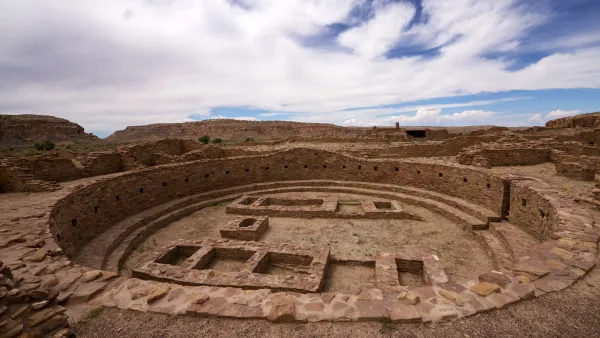
Trump to allow drilling, mining near world heritage site
A UNESCO spokesperson said the world heritage committee has consistently considered mining and drilling near sites to be “incompatible with world heritage status.”
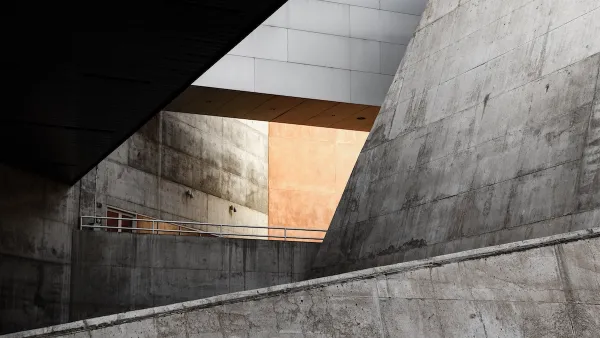
What ‘The Brutalist’ Teaches Us About Modern Cities
How architecture and urban landscapes reflect the trauma and dysfunction of the post-war experience.
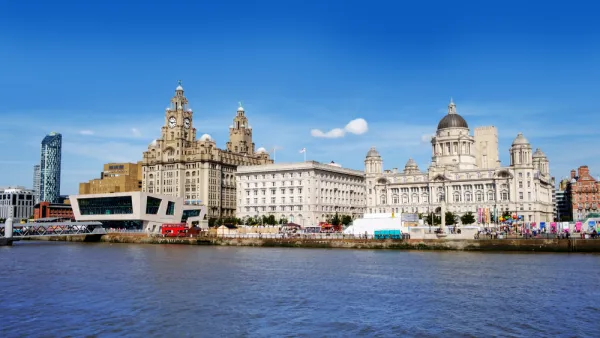
Liverpool Could Lose UNESCO World Heritage Status
New and planned developments are risking the integrity of Liverpool's historic waterfront, according to the United Nations Education, Scientific and Cultural Organisation (UNESCO).

Planetizen Federal Action Tracker
A weekly monitor of how Trump’s orders and actions are impacting planners and planning in America.

Amtrak, CN end decades-long dispute with eight-year agreement
The new operating agreement establishes an updated framework for the companies to work together, including processes to resolve disputes.

Northwest rail fans eager for Sept. 30 debut of Amtrak’s Airo fleet
Get ready for that new train smell and more seats. But they won’t go faster or run more frequently on the Cascades route in Washington and Oregon.

NYC to turn city-owned property into thousands of homes
The city has scheduled a public hearing regarding the development for October.

Buses travel at 5mph along this route in NYC. The Bronx's first-ever busway looks to change that
Prior to the busway, buses on the Bx36 route traveled as slowly as 5 miles per hour.

Pittsburg launches 'EZ permits,' aims for one-day turnaround for low-risk permits
The pilot ‘fast lane’ for permits is part of a bundle of modernization efforts for Pittsburg’s permitting process.

FREE Course: Walkable City 1: Why Walkability?
After describing his path towards focusing on walkability as the essence of good planning, Jeff Speck marches through his five principal reasons for making more walkable places.
Reinventing Malls: Planning Alchemy—Turning Gray Fields Into Gold
The course focuses on the opportunities and imperatives that shape reinvention of mall sites.

City of Thousand Oaks
City of Wisconsin Rapids
Harvard University Graduate School of Design
The Architects Foundation
University of Cincinnati Online
The Pocatello Development Authority
The Urban Renewal Agency of the City of Pocatello