The suburbs draw on Americans may be dwindling, according to this column from Neal Peirce. But, he argues, this shift doesn't mean the end of suburban living.


"But could we be on the cusp of an historic 'back to the city' shift? The case is building."
"Check such cities as Atlanta and Washington, he suggests - they're beginning to resemble historic Vienna or Paris, the centuries-old pattern in which the people of means chose to live near the vital city centers, while the poor were left to live in the less expensive outskirts."
"Atlanta, for example, is seeing so many better-off whites move in that its decades-old status as a predominantly black and low-income city may soon be reversed. Conversely, suburban Clayton and DeKalb Counties are already registering black majorities while simultaneously serving as immigrant gateways."
"There's a big cautionary note here - We're not about to witness abandonment of the suburbs, or rapid movement back to all our city cores. 'But we are living,' Ehrenhalt notes, 'at a moment at which the massive outward migration of the affluent that characterized the second half of the 20th century is coming to an end.'"
Read the full story: “Back to the City” — Is This Its Moment?

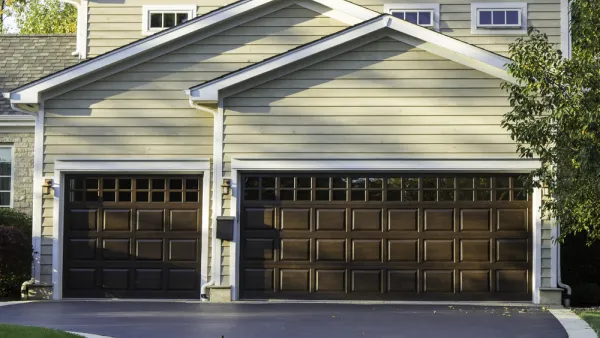
Prices Pushing Home Buyers to Suburbs
Unlike previous generations that fled cities, in part over of fears of crime, today people leave many cities because they can't afford them.
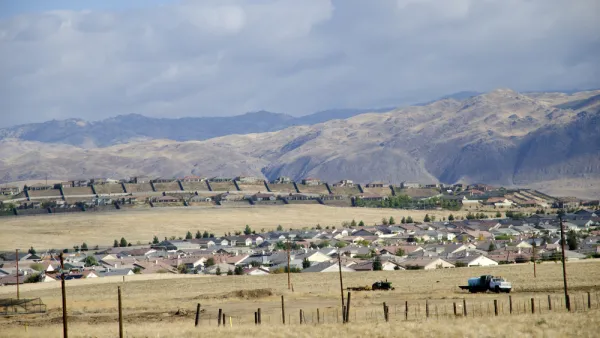
Exurbs Growing Fast
American exurbs growing again, after brief period of urbanization.
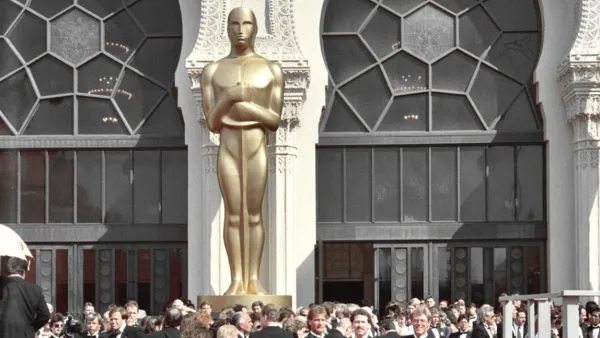
And the Oscar Goes To...
Many of the Best Picture nominees are set in cities, and none are focused on suburbia.

Planetizen Federal Action Tracker
A weekly monitor of how Trump’s orders and actions are impacting planners and planning in America.

The state-sanctioned urbicide of Austin
People don’t kill cities. Freeways do.

US to reduce Colorado River water deliveries to Mexico
A new Colorado Treaty amendment reduces Mexico’s Colorado River water allocation by 250,000 acre feet.

Nation's most wind-powered state turns to coal as data centers increase energy demand
For the first time in decades, Iowa has increased its generation of coal power.

NYC cools commuters with city's first rain garden above a bus stop
New York City officials say the plants in the rain garden can absorb 16 gallons of rainwater during heavy storms.

Brightline West’s future may rely on $6 billion federal loan
The company has until Nov. 2 to make a $400 million equity investment into its proposed high-speed rail line.

FREE Course: Walkable City 1: Why Walkability?
After describing his path towards focusing on walkability as the essence of good planning, Jeff Speck marches through his five principal reasons for making more walkable places.
Reinventing Malls: Planning Alchemy—Turning Gray Fields Into Gold
The course focuses on the opportunities and imperatives that shape reinvention of mall sites.

Greater Baltimore Committee
Eagle County Government
Harvard University Graduate School of Design
The Architects Foundation
University of Cincinnati Online
The Pocatello Development Authority
The Urban Renewal Agency of the City of Pocatello
Journal of the American Planning Association