This article from Next American City looks at escalators -- the expensive, energy-intensive, and often under-used transportation mode.


"Their primary function is to move significant numbers of people from one floor to another in an environment where conventional staircases cause traffic jams, but most of the time, they are chronically underused."
"According to statistical findings attached to the Energy Efficiency Act, which became law in 2006, 90 billion people each year ascend and descend on escalators, making it a more popular form of transportation than commercial airliners. The national energy use of escalators is estimated at 2.6 billion kilowatt hours per year, equivalent to powering 375,000 houses; its cost is roughly $260 million."
"In order to cut down on wasted energy, Congress has been flirting with converting standard escalators into intermittent escalators, which run only when someone steps onto them. The Energy Efficiency Act calls for the installation of intermittent escalators in the Capitol Building, to set an example for the rest of the nation."
Read the full story: Taken for a Ride

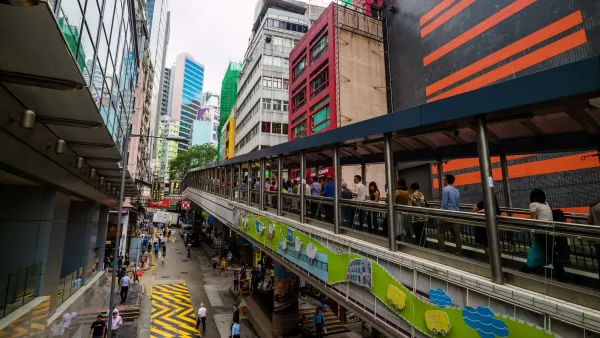
How cars killed the dream of the moving sidewalk
At the turn of the 20th century, moving sidewalks promised efficient, comfortable movement of pedestrians. Then cars took over.

How Orphan Oil Wells Threaten West Texas Communities
Abandoned and orphaned oil wells in West Texas are causing costly environmental hazards like sinkholes and leaks, prompting urgent calls for increased funding and regulation to address a growing statewide and national crisis.
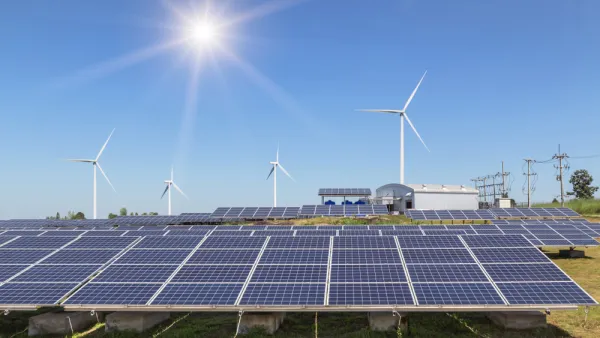
Building a Cleaner Future: Financing the Coal-to-Clean Transition
The Coal-to-Clean Initiative is an effort to fund the early retirement of coal plants in emerging markets, urging public-private collaboration to achieve a just energy transition that limits global warming and supports sustainable growth.

Planetizen Federal Action Tracker
A weekly monitor of how Trump’s orders and actions are impacting planners and planning in America.

Northwest rail fans eager for Sept. 30 debut of Amtrak’s Airo fleet
Get ready for that new train smell and more seats. But they won’t go faster or run more frequently on the Cascades route in Washington and Oregon.
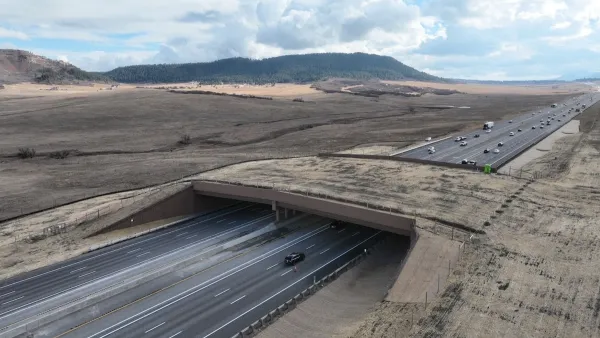
Record-breaking wildlife overpass in Colorado brings 91% reduction in animal collisions
Prior to the overpass, vehicles were hitting one deer per day on Colorado’s Interstate 25.

Detroit to transform waterfront with $2.2 billion investment
Developers will convert about 18 acres of unused parking lot space into civic spaces.

‘Going backwards:’ Baltimore mayor, students rally against state's transit funding plan
Maryland's proposed six-year plan provides no funding for Baltimore’s BMORE bus program and reduces its road maintenance funding.

Trump wants to cancel nearly 98% of funding for HUD housing support program
Multiple housing groups are suing the administration in an effort to preserve the funding.

FREE Course: Walkable City 1: Why Walkability?
After describing his path towards focusing on walkability as the essence of good planning, Jeff Speck marches through his five principal reasons for making more walkable places.
Reinventing Malls: Planning Alchemy—Turning Gray Fields Into Gold
The course focuses on the opportunities and imperatives that shape reinvention of mall sites.

City of Thousand Oaks
City of Wisconsin Rapids
Harvard University Graduate School of Design
The Architects Foundation
University of Cincinnati Online
Northern Illinois Transit Authority (NITA)
The Pocatello Development Authority
The Urban Renewal Agency of the City of Pocatello