Rising gas prices are pushing more and more Oregon drivers out of their cars. High public transit ridership figures and a reduction in vehicle-miles traveled suggest former drivers are now using transit instead of driving.


"As gasoline creeps toward $4 a gallon, Oregonians are doing three things: buying less fuel, driving fewer miles and, in the Portland metropolitan region, using mass transit more often."
"It's impossible to say just how linked the phenomena are."
"But statewide gasoline sales have dropped to the lowest monthly rate in three years. And Oregon Department of Transportation specialists report that, at a time of expanding population, driving on state highways has held about steady or declined for four years -- even in 2005 and 2006, when Oregon grew jobs at 3 percent a year, far higher than the national average."
Thanks to Dylan Rivera
Read the full story: Oregonians driving less as gasoline price soars

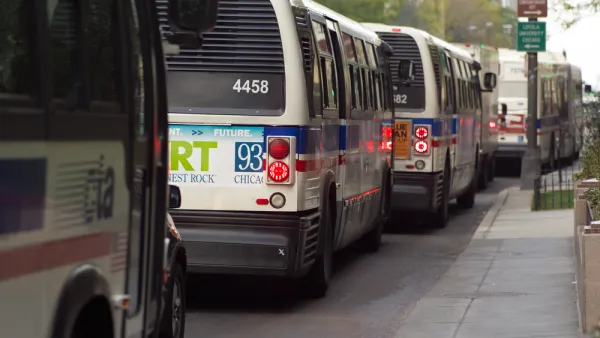
More Bus Service Translates to More Bus Riders
A new study finds that bus service determines bus ridership.
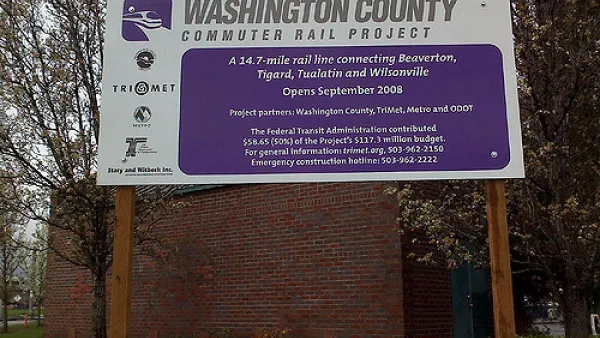
Ridership on Commuter Rail to Portland Suburbs Falling Quickly
Ridership is declining on TriMet's Westside Extension Service, reflecting declines on other parts of the system. This commuter rail line, however, has its own unique set of issues.
Gas Prices Cause High Demand for Transit
Rising gas prices have caused a big increase in transit ridership in Loudoun County, Virginia, where officials are looking to expand their bus fleet and capacity to handle the jump in demand.

Planetizen Federal Action Tracker
A weekly monitor of how Trump’s orders and actions are impacting planners and planning in America.

Amtrak, CN end decades-long dispute with eight-year agreement
The new operating agreement establishes an updated framework for the companies to work together, including processes to resolve disputes.

Northwest rail fans eager for Sept. 30 debut of Amtrak’s Airo fleet
Get ready for that new train smell and more seats. But they won’t go faster or run more frequently on the Cascades route in Washington and Oregon.

Brightline Florida files for bankruptcy
The transit company is over $5 billion in debt.

St. Louis Metro to test if single-car trains can reduce operating costs, maintain rider satisfaction
The pilot program will run from October to spring 2027, and begin with one single-car train operating on Metrolink’s Red and Blue lines.

Pennsylvania is building data centers in abandoned mines
Housing data centers in mines provides an alternative to destroying local forests and may spare residents from data centers’ noise and air pollution.

FREE Course: Walkable City 1: Why Walkability?
After describing his path towards focusing on walkability as the essence of good planning, Jeff Speck marches through his five principal reasons for making more walkable places.
Reinventing Malls: Planning Alchemy—Turning Gray Fields Into Gold
The course focuses on the opportunities and imperatives that shape reinvention of mall sites.

City of Thousand Oaks
City of Wisconsin Rapids
Harvard University Graduate School of Design
The Architects Foundation
University of Cincinnati Online
The Pocatello Development Authority
The Urban Renewal Agency of the City of Pocatello