Officials in New York are pleading their case for a congestion pricing plan before city councilors as the April 7 deadline for approval approaches.


"With just two weeks to go before the deadline to approve congestion pricing, Mayor Bloomberg and his allies worked Monday to win converts to the plan - while City Council critics spent the day poking holes in it."
"Council members grilled Transportation Commissioner Janette Sadik-Khan about whether the proposed $8 fee for drivers entering Manhattan below 60th St. would hurt poor commuters, cost too much to administer or lead to a cutback in federal funds."
"The City Council, Assembly and state Senate must approve the plan by April 7 to qualify for $354 million in federal funds for extra bus and subway service. A new Quinnipiac University poll found two-thirds of New Yorkers support the idea, as long as the revenue is used for mass transit."
"New Jersey drivers using E-ZPass would not have to pay the fee, so Bloomberg's team is negotiating for part of a $2 billion Port Authority fund to make up some of the difference. They are also mulling a tax credit to help poor drivers pay the fee."
Read the full story: Mayor Bloomberg and allies work to win converts to congestion pricing plan

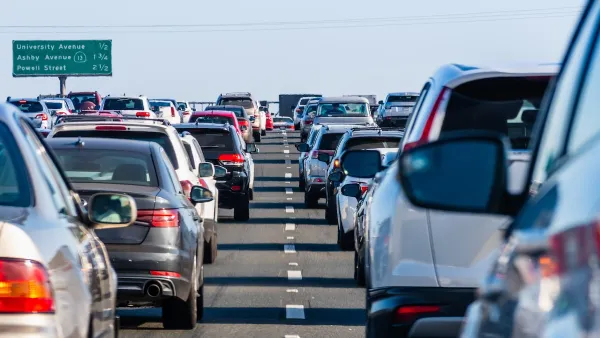
Conservatives’ Decongestion Pricing Flip-Flop
When it comes to solving traffic problems, the current federal administration is on track for failure, waste, and hypocrisy.

Transportation Rx: Treating Traffic Glut Like Doctors Treat Sinus Congestion
To cure chronic traffic congestion, U.S. cities should consider a prescribed treatment approach, using technology and road pricing strategies to target the root cause instead of just managing the symptoms.
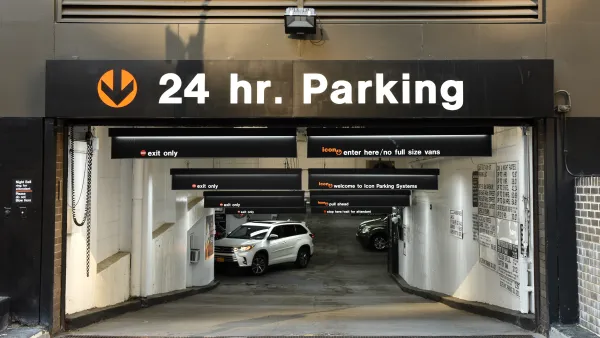
Want to Reduce Traffic Congestion? Cash Out Employer-Paid Parking
Employer-paid parking will undermine New York City’s congestion tolls. But parking cash-out policies like those in California and Washington D.C. can solve the problem.

Amtrak, CN end decades-long dispute with eight-year agreement
The new operating agreement establishes an updated framework for the companies to work together, including processes to resolve disputes.

Judges permit Denver to divert 77,000 acre feet from the Colorado River for reservoir expansion
Overuse and climate change have caused the Colorado River’s water levels to plummet.

Nation's most wind-powered state turns to coal as data centers increase energy demand
For the first time in decades, Iowa has increased its generation of coal power.

Boston has spent millions making the Green Line more accessible — and there’s no end in sight
While the city has invested millions into expanding and adding platforms to the Green Line to make it more accessible, new train cars set to arrive next year will be too tall for disabled passengers to board without raising the current platforms.

Idaho may see an 18% drop in federal surface transit funding — the largest estimated cut in the US
Transit systems in rural communities are much more reliant on federal funding to provide their services.

How ‘post-disaster gentrification’ alters neighborhoods after natural calamities
After hurricanes, fires or other calamities, the original residents of a community are often replaced by younger, wealthier residents.

FREE Course: Walkable City 1: Why Walkability?
After describing his path towards focusing on walkability as the essence of good planning, Jeff Speck marches through his five principal reasons for making more walkable places.
Reinventing Malls: Planning Alchemy—Turning Gray Fields Into Gold
The course focuses on the opportunities and imperatives that shape reinvention of mall sites.

City of Wisconsin Rapids
Harvard University Graduate School of Design
KFH Group Inc.
The Architects Foundation
University of Cincinnati Online
The Pocatello Development Authority
The Urban Renewal Agency of the City of Pocatello