In this column, Neal Peirce argues that the country needs to take a step back in time to the regulations and policies of the early 1970s to solve the current mortgage meltdown.


"Houses vacated by foreclosures are deteriorating into eyesores, encouraging crime, depressing property values, costing localities revenues they need for schools, police and other vital services."
"Is there a villain in this story? Yes, and he's hidden in plain view: a heavily lobbied federal government that lost sight of ordinary Americans' interests."
"That's the story told in The American Prospect magazine by John Atlas of the National Housing Institute and Peter Dreier, a professor of politics at Occidental College in Los Angeles. The problem, they say, is that Washington succumbed to pressure from Wall Street and other financial players and deregulated a once stable, smoothly functioning American housing finance market. And that the only way out is a U-turn, back to circa 1970 or earlier in national regulation."
Read the full story: Back to the future to cure the mortgage scandal?


Planetizen Federal Action Tracker
A weekly monitor of how Trump’s orders and actions are impacting planners and planning in America.

The state-sanctioned urbicide of Austin
People don’t kill cities. Freeways do.

Colorado’s Largest Data Center Could Rise Next to Homes — Without a Public Hearing
The proposed campus would consume 11 times the power of Denver International Airport; as it has across the country, opposition mounts.

Amtrak, CN end decades-long dispute with eight-year agreement
The new operating agreement establishes an updated framework for the companies to work together, including processes to resolve disputes.
Raised interest rates may kill financially vulnerable construction projects
The chief economist at ConstructConnect warns that if construction project owners are negatively impacted by the raised rates, it could result in delayed payments to contractors.
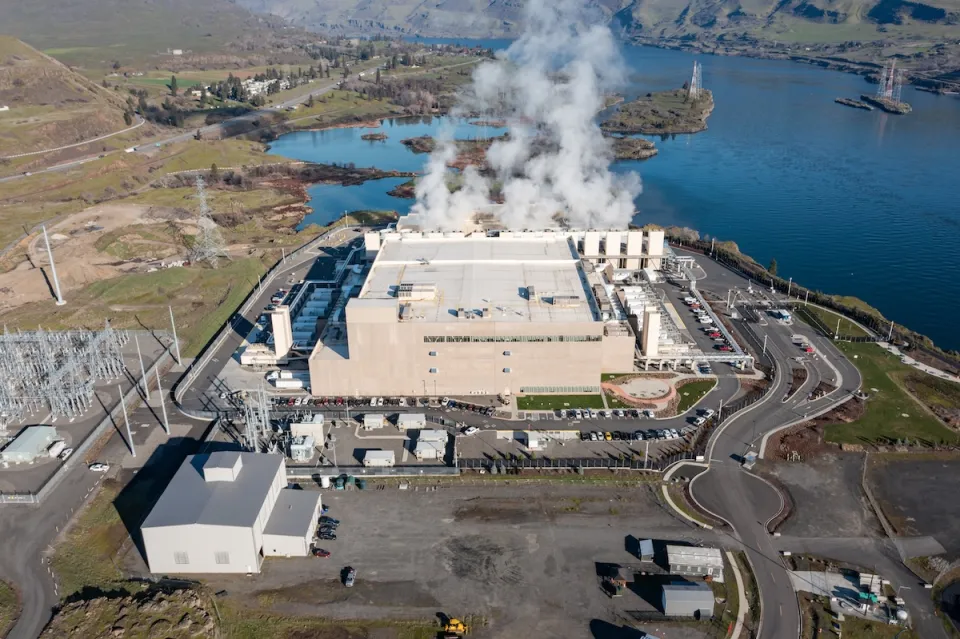
Data centers are consuming nearly 25% of Oregon’s power
The state has 111 data centers, with 32 more either planned or under construction.

FREE Course: Walkable City 1: Why Walkability?
After describing his path towards focusing on walkability as the essence of good planning, Jeff Speck marches through his five principal reasons for making more walkable places.
Reinventing Malls: Planning Alchemy—Turning Gray Fields Into Gold
The course focuses on the opportunities and imperatives that shape reinvention of mall sites.

Greater Baltimore Committee
Eagle County Government
Harvard University Graduate School of Design
The Architects Foundation
University of Cincinnati Online
The Pocatello Development Authority
The Urban Renewal Agency of the City of Pocatello
Journal of the American Planning Association