Despite the federal government's recently-awarded grants to support toll roads and other measures to reduce traffic congestion, many subsidies still exist that encourage car use.


"This week, the department announced $848 million in grants to help cities discourage people from driving, in many cases by imposing new tolls or fees."
"But at the same time, another arm of the federal government seems to be sending a very different message. Congress provides a tax break to many of those same drivers to help them shoulder the costs of taking their cars to work."
"Close to 400,000 commuters nationwide - about half of them in the New York City area - take advantage of a provision in the federal tax code that allows them to use up to $215 a month in pre-tax wages to pay for their parking at work, according to executives at corporate benefits firms that specialize in administering the tax break."
"By making driving cheaper, the tax benefit may weaken the intended effects of the new traffic-fighting initiatives."
Read the full story: Mixed Signals: Driving to Work as a Tax Break


Planetizen Federal Action Tracker
A weekly monitor of how Trump’s orders and actions are impacting planners and planning in America.

The state-sanctioned urbicide of Austin
People don’t kill cities. Freeways do.

Colorado’s Largest Data Center Could Rise Next to Homes — Without a Public Hearing
The proposed campus would consume 11 times the power of Denver International Airport; as it has across the country, opposition mounts.
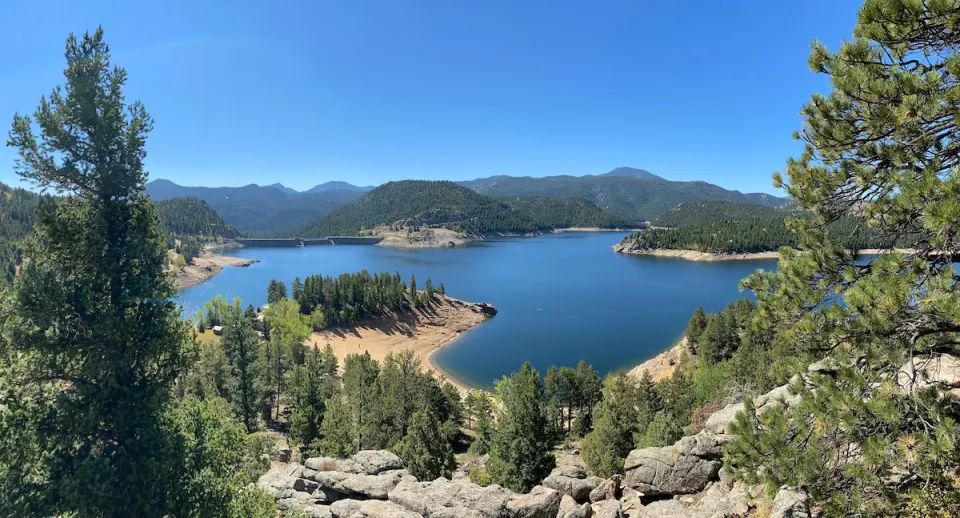
Judges permit Denver to divert 77,000 acre feet from the Colorado River for reservoir expansion
Overuse and climate change have caused the Colorado River’s water levels to plummet.
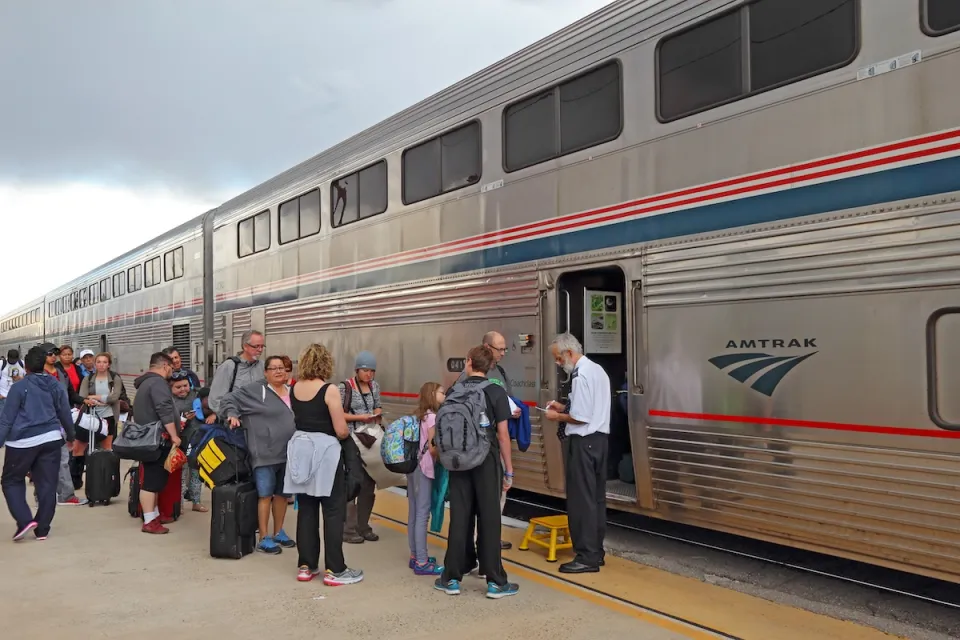
Amtrak, CN end decades-long dispute with eight-year agreement
The new operating agreement establishes an updated framework for the companies to work together, including processes to resolve disputes.
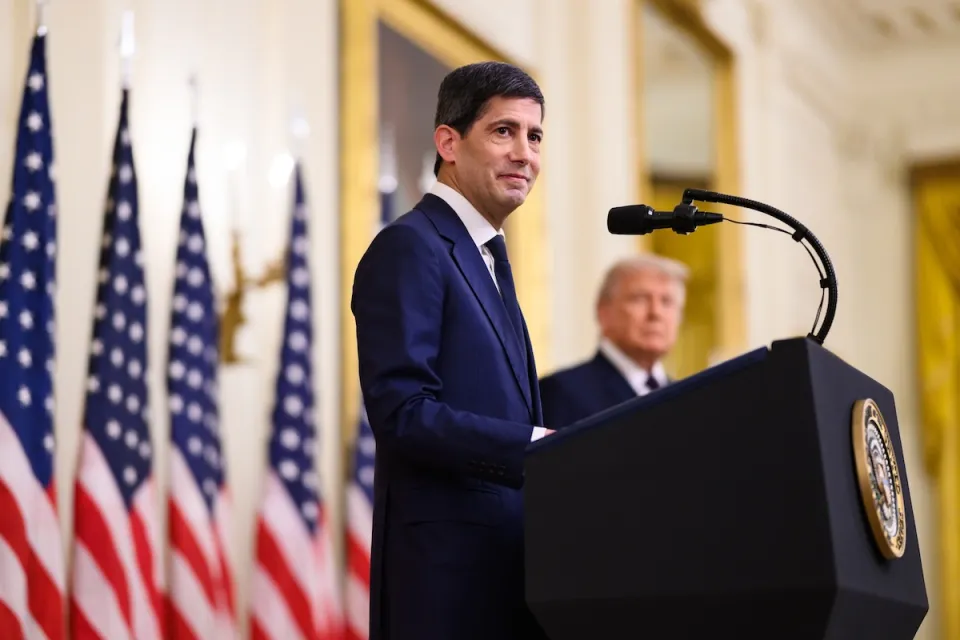
Raised interest rates may kill financially vulnerable construction projects
The chief economist at ConstructConnect warns that if construction project owners are negatively impacted by the raised rates, it could result in delayed payments to contractors.

FREE Course: Walkable City 1: Why Walkability?
After describing his path towards focusing on walkability as the essence of good planning, Jeff Speck marches through his five principal reasons for making more walkable places.
Reinventing Malls: Planning Alchemy—Turning Gray Fields Into Gold
The course focuses on the opportunities and imperatives that shape reinvention of mall sites.

KFH Group Inc.
Greater Baltimore Committee
Eagle County Government
The Architects Foundation
University of Cincinnati Online
The Pocatello Development Authority
The Urban Renewal Agency of the City of Pocatello