With few paved roads, rail is often the best transport option in the Democratic Republic of Congo. But the system suffers derailments, crumbling tracks, and trains in disrepair -- and the government doesn't have the money to fix it.


"Congo's national rail company, SNCC, lacks new parts and proper materials, so to repair its aging locomotives, machinists must fashion improvised spares, even nuts and bolts."
"Company employees are owed more than two years' back wages."
"'The workers aren't motivated and the machines are worn out. The rails aren't repaired. The maintenance crews don't have materials to do upkeep. These are the factors that are handicapping us,' engine driver Henri Mutombo said."
"Decades of mismanagement under former ruler Mobutu Sese Seko and a 1998-2003 war have left the central African nation's transport infrastructure in ruins."
"In a country the size of Western Europe, there are few paved roads outside of the capital, Kinshasa."
"For most Congolese, the rail system is the only economically viable means of traveling or transporting goods across the vast interior."
"There are plans to privatize several of the country's poorly managed and cumbersome state enterprises, and Transport Minister Remy Henri Kuseyo expects to open bidding soon for a private-public partnership that will take over the running of SNCC."
Read the full story: Congo hopes to get ageing railways back on track


Amtrak, CN end decades-long dispute with eight-year agreement
The new operating agreement establishes an updated framework for the companies to work together, including processes to resolve disputes.

Judges permit Denver to divert 77,000 acre feet from the Colorado River for reservoir expansion
Overuse and climate change have caused the Colorado River’s water levels to plummet.
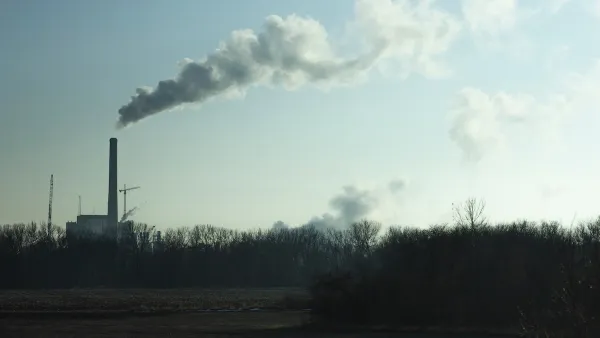
Nation's most wind-powered state turns to coal as data centers increase energy demand
For the first time in decades, Iowa has increased its generation of coal power.

Boston has spent millions making the Green Line more accessible — and there’s no end in sight
While the city has invested millions into expanding and adding platforms to the Green Line to make it more accessible, new train cars set to arrive next year will be too tall for disabled passengers to board without raising the current platforms.

Idaho may see an 18% drop in federal surface transit funding — the largest estimated cut in the US
Transit systems in rural communities are much more reliant on federal funding to provide their services.

How ‘post-disaster gentrification’ alters neighborhoods after natural calamities
After hurricanes, fires or other calamities, the original residents of a community are often replaced by younger, wealthier residents.

FREE Course: Walkable City 1: Why Walkability?
After describing his path towards focusing on walkability as the essence of good planning, Jeff Speck marches through his five principal reasons for making more walkable places.
Reinventing Malls: Planning Alchemy—Turning Gray Fields Into Gold
The course focuses on the opportunities and imperatives that shape reinvention of mall sites.

City of Wisconsin Rapids
Harvard University Graduate School of Design
KFH Group Inc.
The Architects Foundation
University of Cincinnati Online
The Pocatello Development Authority
The Urban Renewal Agency of the City of Pocatello