The U.S. Supreme Court recently ruled that the federal Clean Water Act takes precedence over the Endangered Species Act when considering approval of development plans. The ruling is seen as a victory for developers.


"The court ruled five to four in favor of the National Association of Home Builders in the case, in which environmentalists sought to have endangered species given significant consideration in decisions whether to allow developments to move forward. The majority held that clean water rules are more important when the U.S. Environmental Protection Agency is brought into such matters."
From the Associated Press:
"In the case, an environmental group challenged the EPA's decision to transfer to Arizona the authority to regulate pollutants emptied into rivers and other surface water sources. The group, Defenders of Wildlife, argued that the transfer violated the federal Endangered Species Act and would leave the state's rivers vulnerable to contaminants that could damage wildlife habitat."
"Justice Samuel Alito, writing for the conservative majority, said the endangered-species law takes a back seat to the clean-water law when it comes to the EPA handing authority to a state to issue water-pollution permits."
Read the full story: U.S. Supreme Court backs home builders in endangered species ruling


Planetizen Federal Action Tracker
A weekly monitor of how Trump’s orders and actions are impacting planners and planning in America.

The state-sanctioned urbicide of Austin
People don’t kill cities. Freeways do.

US to reduce Colorado River water deliveries to Mexico
A new Colorado Treaty amendment reduces Mexico’s Colorado River water allocation by 250,000 acre feet.

Nation's most wind-powered state turns to coal as data centers increase energy demand
For the first time in decades, Iowa has increased its generation of coal power.
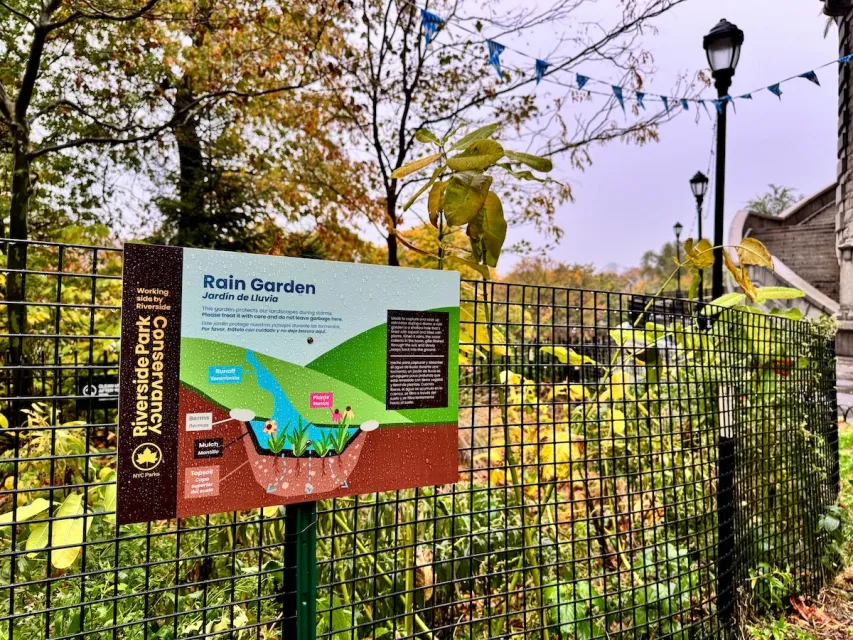
NYC cools commuters with city's first rain garden above a bus stop
New York City officials say the plants in the rain garden can absorb 16 gallons of rainwater during heavy storms.

Brightline West’s future may rely on $6 billion federal loan
The company has until Nov. 2 to make a $400 million equity investment into its proposed high-speed rail line.

FREE Course: Walkable City 1: Why Walkability?
After describing his path towards focusing on walkability as the essence of good planning, Jeff Speck marches through his five principal reasons for making more walkable places.
Reinventing Malls: Planning Alchemy—Turning Gray Fields Into Gold
The course focuses on the opportunities and imperatives that shape reinvention of mall sites.

Greater Baltimore Committee
Eagle County Government
Harvard University Graduate School of Design
The Architects Foundation
University of Cincinnati Online
The Pocatello Development Authority
The Urban Renewal Agency of the City of Pocatello
Journal of the American Planning Association