Thousands of desperate applicants show up to claim 56 affordable housing units in Los Angeles.


An angry crowd of 3,000 people were "clamoring for the last crumbs of affordable housing in a city where rents and mortgages have been soaring. At stake were 56 unfinished apartments being built by a nonprofit agency. The developers had expected a turnout of, at most, several hundred. When thousands of desperate applicants showed up instead, the scene quickly turned ugly, and the police intervened.
...The great American housing bubble is a classic zero-sum game. Without generating an atom of new wealth, land inflation ruthlessly redistributes wealth from asset-seekers to asset-holders, reinforcing divisions within as well as between social classes. A young schoolteacher in San Diego who rents an apartment, for example, now faces an annual housing cost ($24,000 for a two-bedroom in a central area) equivalent to two-thirds of her income. Conversely, an older school bus driver who owns a modest home in the same neighborhood may have 'earned' almost as much from housing inflation as from his unionized job."
Thanks to Chris Steins
Read the full story: The Bubble, Then the Blues


Planetizen Federal Action Tracker
A weekly monitor of how Trump’s orders and actions are impacting planners and planning in America.

The state-sanctioned urbicide of Austin
People don’t kill cities. Freeways do.

Colorado’s Largest Data Center Could Rise Next to Homes — Without a Public Hearing
The proposed campus would consume 11 times the power of Denver International Airport; as it has across the country, opposition mounts.
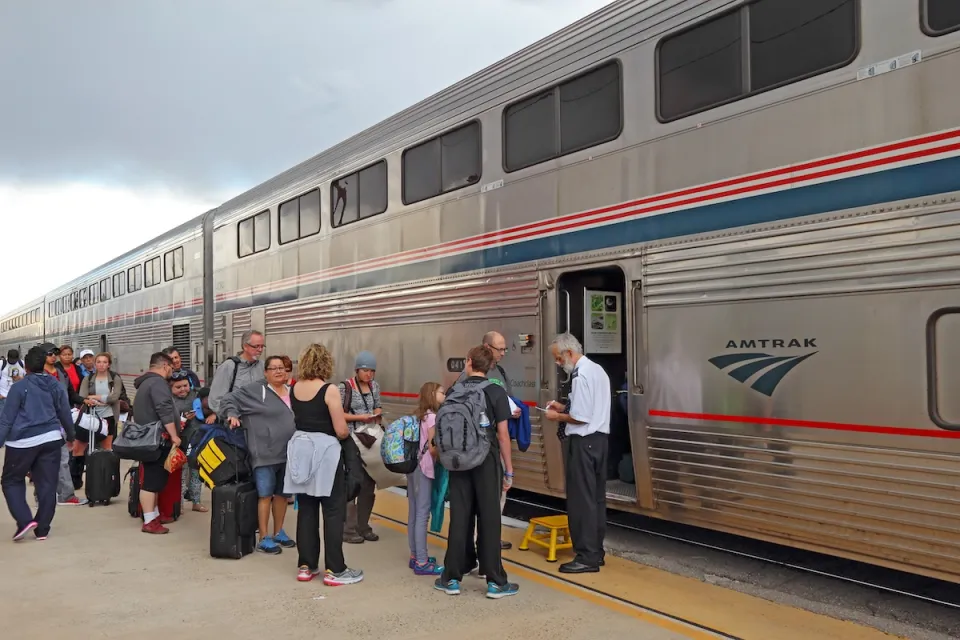
Amtrak, CN end decades-long dispute with eight-year agreement
The new operating agreement establishes an updated framework for the companies to work together, including processes to resolve disputes.
Raised interest rates may kill financially vulnerable construction projects
The chief economist at ConstructConnect warns that if construction project owners are negatively impacted by the raised rates, it could result in delayed payments to contractors.
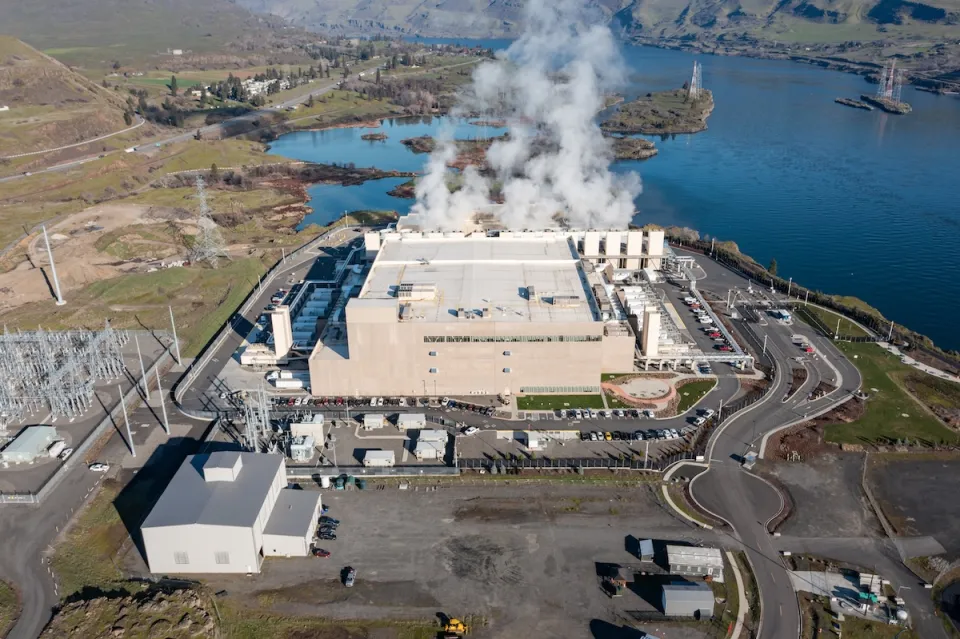
Data centers are consuming nearly 25% of Oregon’s power
The state has 111 data centers, with 32 more either planned or under construction.

FREE Course: Walkable City 1: Why Walkability?
After describing his path towards focusing on walkability as the essence of good planning, Jeff Speck marches through his five principal reasons for making more walkable places.
Reinventing Malls: Planning Alchemy—Turning Gray Fields Into Gold
The course focuses on the opportunities and imperatives that shape reinvention of mall sites.

Greater Baltimore Committee
Eagle County Government
Harvard University Graduate School of Design
The Architects Foundation
University of Cincinnati Online
The Pocatello Development Authority
The Urban Renewal Agency of the City of Pocatello
Journal of the American Planning Association