Revenue from the fine will go towards supporting the state’s highways.


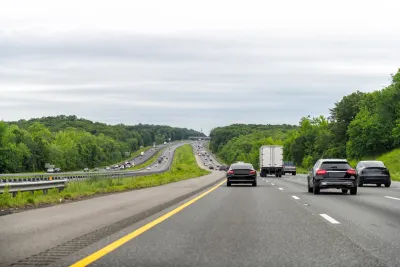
Washington state officials are looking to charge drivers an additional fee if their vehicles are too fuel efficient, in order to make up for Washington’s waning gas tax, revenue from which is projected to continue declining. The state would use the “highway use fee” to “help salvage a state transportation budget that continues to invest more in the expansion of the highway network than in the preservation and maintenance of existing infrastructure,” Ryan Packer writes for The Urbanist.
The additional fee would only apply to vehicles weighing 10,000 pounds or less, and would be more expensive the more fuel-efficient a vehicle is. Virginia’s highway use fee is seen as the model for Washington state; its fees range from $7 to $75.
“Right now, it's not clear whether or how Washington would adjust existing hybrid and electric vehicle fees, which are currently $225 for all vehicles with an electric range of at least 30 miles,” The Urbanist reports.
Read the full story: Lawmakers Turn to a 'Highway Use Fee' to Bolster Sagging Transportation Budget
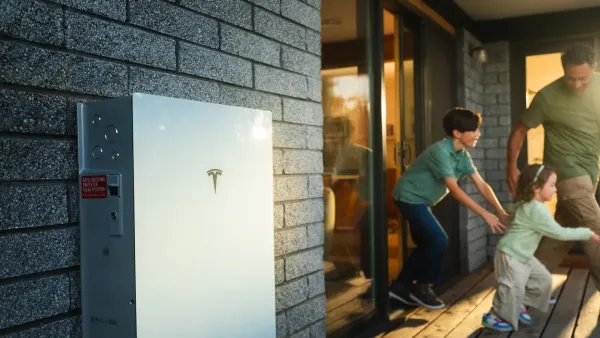
Home batteries are ushering in an energy revolution
Batteries capable of storing solar energy can stabilize the grid during peaks and keep homes running on cloudy days.
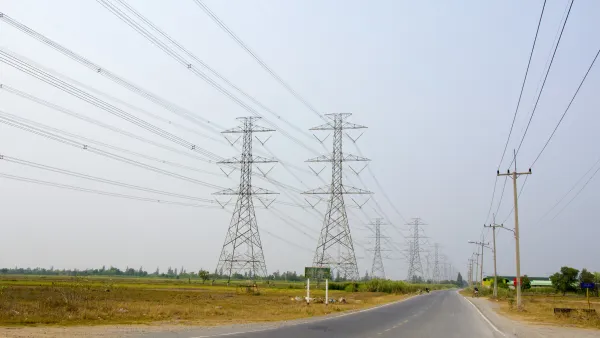
Trump to allow infrastructure along highways, railways in bid to bypass reviews
By building lines close to existing infrastructure, Trump aims to lower costs and bypass environmental oversight and opposition from local communities.
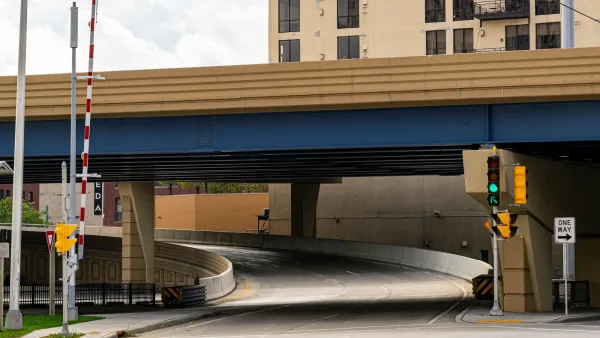
Milwaukee mayor abandons highway removal plan
Mayor Johnson spoke in opposition to a proposed plan to turn part of I-794 into an at-grade boulevard, expressing concerns about traffic.

Planetizen Federal Action Tracker
A weekly monitor of how Trump’s orders and actions are impacting planners and planning in America.

Eastern Nebraska is running out of electricity
Data centers and electrification are straining eastern Nebraska’s grid, throttling economic development.

Study reveals best places in the U.S. for cycling, walking
New research from Streetlight Data examines bicycle and pedestrian miles per capita in the 100 largest U.S. cities by population.

Washington state to fine drivers with fuel-efficient cars
Revenue from the fine will go towards supporting the state’s highways.

Strained electrical grid forces San Francisco to choose: housing, or data centers?
The city is approaching its maximum grid capacity, leaving leaders with tough choices about what projects to siphon energy toward.

Next-generation nuclear reactors are coming to Texas
The reactors will not require towering containment structures thanks to new safety features.

FREE Course: Walkable City 1: Why Walkability?
After describing his path towards focusing on walkability as the essence of good planning, Jeff Speck marches through his five principal reasons for making more walkable places.
Reinventing Malls: Planning Alchemy—Turning Gray Fields Into Gold
The course focuses on the opportunities and imperatives that shape reinvention of mall sites.

City of Charlotte
City of Rosemead
Rutgers University, Edward J. Bloustein School of Planning and Public Policy
University of Michigan School for Environment and Sustainability (SEAS)
Hunter College, City University of New York (CUNY)
The Architects Foundation
City of Cambridge
The Pocatello Development Authority
The Urban Renewal Agency of the City of Pocatello