By building lines close to existing infrastructure, Trump aims to lower costs and bypass environmental oversight and opposition from local communities.


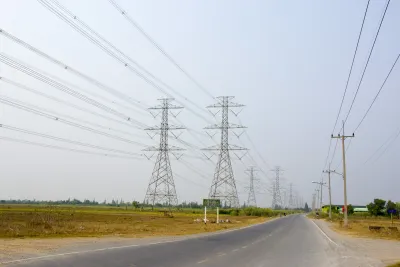
The Trump administration has released a new plan to turn the nation's highway and rail lines into “multi-use” utility corridors, holding transmission wires, water pipelines and fiber optic lines. Titled “America's Great Corridors of Commerce," the project allows state-level transportation agencies to voluntarily lease land alongside roads and tracks to private sector companies developing new infrastructure.
The administration hopes that using existing transportation land for infrastructure projects will lower costs and allow developers to bypass environmental reviews, Shelby Talcott writes for Yahoo News.
The plan also aims to help the U.S compete with China in building infrastructure like high-voltage transmission lines. Developers can potentially bypass opposition from local communities and zoning boards — the most common obstacles — if they build the lines close to existing infrastructure.
“Notably, the new proposal follows the Trump administration's cancellation of a number of major transmission initiatives. The Energy Department ended a $4.9 billion conditional loan commitment last year for a transmission project and scrapped three other transmission corridor proposals earlier this month,” Yahoo News reports. “Trump's focus on leveraging the land — which mirrors proposals that Biden administration officials, environmental groups, and congressional Democrats have advocated for years — offers an alternative to those prior cancelled projects by using highway and railroad-affiliated land.
Read the full story: Trump’s new affordability push runs on highways, rail

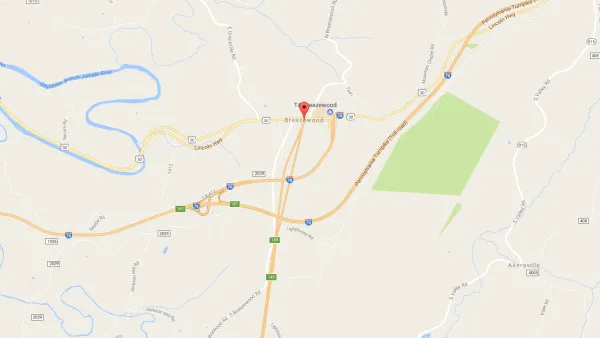
Bad on Purpose, Weird Highways
Breezewood Pennsylvania is home to a traffic bottle neck on the I-70, and could be a target of Trump's promised infrastructure spending.
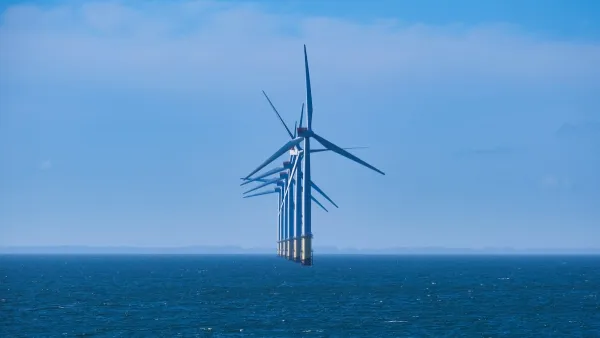
Battered from federal attacks, Louisiana's offshore wind industry refuses to give up
State Representative Joe Orgeron expressed hope that the state could revitalize its wind industry once President Trump leaves office.
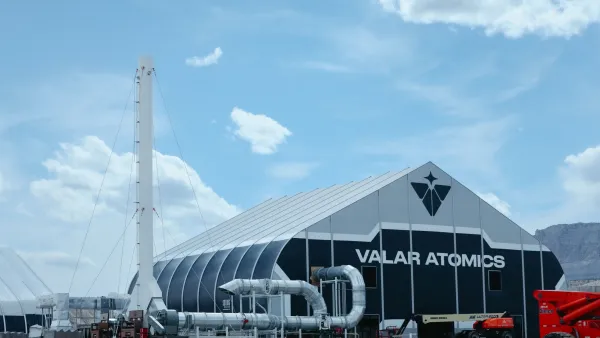
Trump-backed startup wants 9,000 acres of public land for data center
If approved, developers will build 456 small nuclear reactors on federally-owned land in Utah.

Planetizen Federal Action Tracker
A weekly monitor of how Trump’s orders and actions are impacting planners and planning in America.

‘Going backwards:’ Baltimore mayor, students rally against state's transit funding plan
Maryland's proposed six-year plan provides no funding for Baltimore’s BMORE bus program and reduces its road maintenance funding.

Detroit to transform waterfront with $2.2 billion investment
Developers will convert about 18 acres of unused parking lot space into civic spaces.

Less housing, wasted money: study reveals impact of city parking mandates
The study found that 71% of carless households in the United States pay for a parking space they don’t use.

Minnesota seeks to replace fraud-ridden Housing Stabilization Services with new program
Federal prosecutors have charged over a dozen people in fraud cases involving at least $26 million.

A multi-billion dollar problem is brewing under Oakland’s streets
Oakland’s stormwater drainage systems are in desperate need of upgrades and repairs. The El Niño will only further strain the city’s infrastructure.

FREE Course: Walkable City 1: Why Walkability?
After describing his path towards focusing on walkability as the essence of good planning, Jeff Speck marches through his five principal reasons for making more walkable places.
Reinventing Malls: Planning Alchemy—Turning Gray Fields Into Gold
The course focuses on the opportunities and imperatives that shape reinvention of mall sites.

One Hundred Miles
County of Mendocino
planning NEXT
The Architects Foundation
University of Cincinnati Online
Montrose County
Northern Illinois Transit Authority (NITA)
The Pocatello Development Authority