If approved, developers will build 456 small nuclear reactors on federally-owned land in Utah.


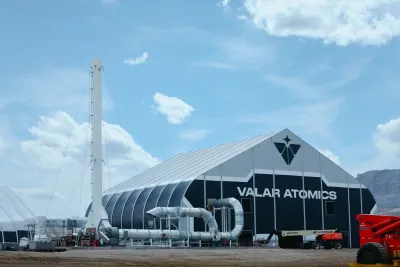
Startup Valar Atomics is planning to build a nuclear-powered data center on over 9,000 acres of public land in Utah. If approved, “Project Beehive” will contain 456 small nuclear reactors, generating 9.6 gigawatts of power: the entire state of Utah produces 4 gigawatts on average, Geoff Brumfiel writes for NPR.
Valar Atomics CEO Isaiah Taylor was alongside President Trump when he signed multiple executive orders aimed at accelerating nuclear power development. NPR reports:
Project Beehive reveals the scale of the ambitions held by a new generation of companies planning a comeback for nuclear power. The companies are backed by the Trump administration, which has enacted a slew of regulatory reforms over the past year and a half to make their ‘small modular reactors’ easier to test and build.
The project’s timeline has nonnuclear construction beginning at the end of 2026, with reactors coming online in 2028. In a statement to NPR, the Bureau of Land Management said it was reviewing Valar Atomics' application for the public land.
Read the full story: A startup wants to build a massive nuclear-powered data center on public land in Utah
A Win for ‘Keep it in the Ground’
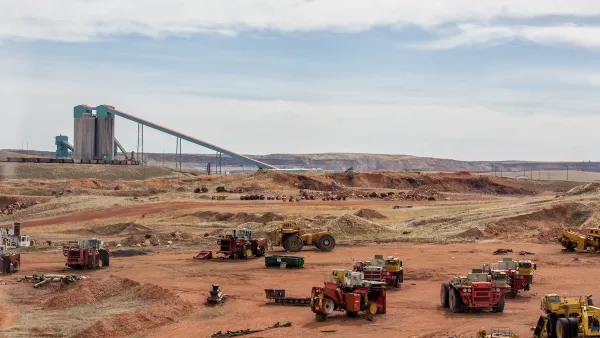
Coal mining in Wyoming will take a major hit as a result of a U.S. Department of Interior plan to cease future leasing of coal mines in the nation's most productive coal mining basin. The decision casts a spotlight on the presidential election.
$6 Billion to Keep Uncompetitive Nuclear Plants Alive
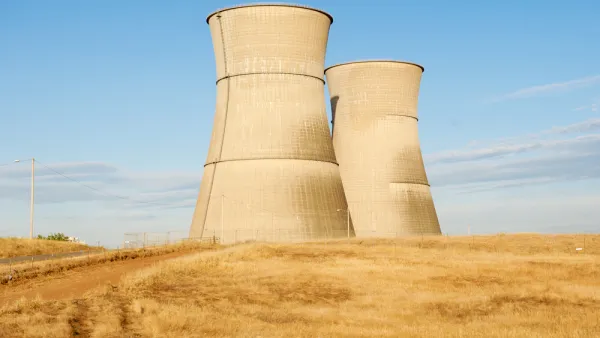
The Infrastructure Investment and Jobs Act includes $6 billion to create a credit program to extend the life of existing nuclear power plants, the largest source of carbon-free energy in the nation. The first deadline to bid for credits is May 19.
'Unprecedented' Sale of Public Land Concerns 'Even Some Republicans'
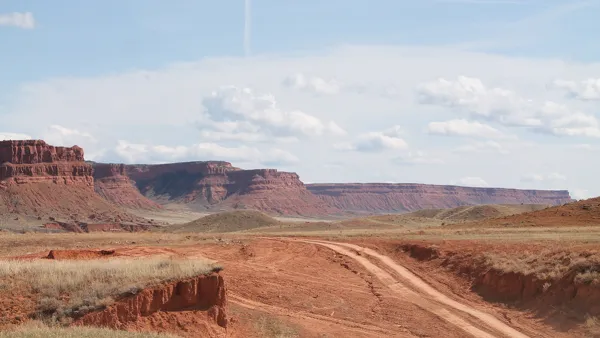
As the Department of the Interior auctions off 'vast swaths' of American wilderness to oil and gas companies, fiscal conservatives and conservationists alike wonder if it’s the right thing at the right time.

Planetizen Federal Action Tracker
A weekly monitor of how Trump’s orders and actions are impacting planners and planning in America.

Washington state to charge fee to drivers with fuel-efficient cars
Revenue from the fee will go towards supporting the state’s highways.

Illinois considers spending $1 billion in taxpayer money on data center
A quantum computing campus and data center are currently under construction in Chicago.

Trump to blast ‘hydrocarbon highway’ through ‘world’s longest art gallery’
Environmental and historic preservation groups are suing to stop the project.

25 states cast bids to be the home of U.S. Space Academy
The academy will train scientists, officers and astronauts for the U.S. Space Force.

Trump’s emergency orders to resuscitate coal plants cost ratepayers $593 million
Keeping coal plants on life support in Florida has cost ratepayers there $25.6 million.

FREE Course: Walkable City 1: Why Walkability?
After describing his path towards focusing on walkability as the essence of good planning, Jeff Speck marches through his five principal reasons for making more walkable places.
Reinventing Malls: Planning Alchemy—Turning Gray Fields Into Gold
The course focuses on the opportunities and imperatives that shape reinvention of mall sites.

City of Charlotte
City of Rosemead
Rutgers University, Edward J. Bloustein School of Planning and Public Policy
University of Michigan School for Environment and Sustainability (SEAS)
Hunter College, City University of New York (CUNY)
The Architects Foundation
University District Partnership