Keeping coal plants on life support in Florida has cost ratepayers there $25.6 million.


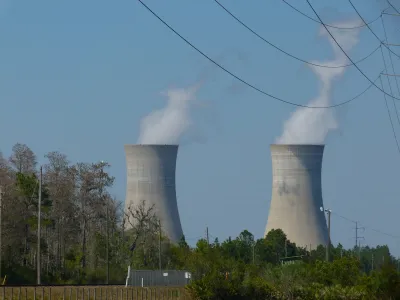
Ratepayers in Florida have paid approximately $25.6 million so the Trump administration could keep a coal plant running past its scheduled retirement, Amy Green writes for Inside Climate News. The Trump administration is keeping six coal plants across the country on life support; all together, his orders have cost ratepayers about $593 million, according to analysis from the Environmental Defense Fund.
The Trump administration is using federal emergency orders, which the Environmental Defense Fund says are meant for emergencies such as extreme weather events, to keep the coal plants running.
Florida intended to shut down one of its two coal-fired plants in Stanton by the end of May 2026 as part of a plan to transition to renewable energy sources. The Department of Energy issued several emergency orders to keep the plant running, the most recent of which expires Nov. 30. Inside Climate News reports:
“If they stay true to form then they’re going to issue another order,” said Bradley Marshall, senior attorney at Earthjustice, which filed a legal challenge against the Trump administration over the situation at Stanton.
“We know that a lot of these coal plants were due to be retired for a reason. They simply weren’t economic to run anymore,” he said. “When you unexpectedly have to keep a plant running that you were planning to retire, and you don’t need to keep it running for any kind of reliability purpose but because the Trump administration has told you to keep it running, it shouldn’t be surprising there are a lot of economic costs associated with that.”
Read the full story: Trump Orders to Keep Florida Coal Plant Running Cost Ratepayers Millions
Did data centers change how voters cast their ballots?
Texas, Ohio, and Georgia all flipped party control. But in rural counties, the effect of local data centers was mixed.

HUD to end aid for mixed-immigration-status households
The new rule is projected to impact 80,000 people, nearly half of whom are children.

Trump has changed his mind on congestion pricing — maybe
The Trump administration is offering $100 million in grants so cities can implement their own traffic control programs.

Planetizen Federal Action Tracker
A weekly monitor of how Trump’s orders and actions are impacting planners and planning in America.

Washington state to charge fee to drivers with fuel-efficient cars
Revenue from the fee will go towards supporting the state’s highways.

Illinois considers spending $1 billion in taxpayer money on data center
A quantum computing campus and data center are currently under construction in Chicago.

Trump’s emergency orders to resuscitate coal plants cost ratepayers $593 million
Keeping coal plants on life support in Florida has cost ratepayers there $25.6 million.

Corpus Christi drilled wells at 'lightning speed,' leaving neighbors fearing for their water supply
Underground water became a critical fix through the worst of Corpus Christi’s drought. But experts warn against depending on wells for too long.

Nearly billion-dollar budget deficit looms over MTA
Metropolitan Transit Authority officials say the cost of healthcare, wages, electricity and fuel is outpacing revenue from tolls, taxes and fares.

FREE Course: Walkable City 1: Why Walkability?
After describing his path towards focusing on walkability as the essence of good planning, Jeff Speck marches through his five principal reasons for making more walkable places.
Reinventing Malls: Planning Alchemy—Turning Gray Fields Into Gold
The course focuses on the opportunities and imperatives that shape reinvention of mall sites.

City of Charlotte
City of Rosemead
Rutgers University, Edward J. Bloustein School of Planning and Public Policy
University of Michigan School for Environment and Sustainability (SEAS)
Hunter College, City University of New York (CUNY)
The Architects Foundation
University District Partnership