The city is now asking the public for input on updates to its bike plan.



Since first launching its Comprehensive Bike Plan in 2016, El Paso, Texas has installed over 1,000 miles of new cycling facilities, reports Carpio Griego for KVIA.
Now, the city is calling for public input on updates to the plan. “In terms of how the decision is made to add bike lanes and bike accessibilty, [Transportation Planning Administrator Anna Mesa-Zendt] said there are many factors including community input, connections to El Paso's cycling network, low air quality, lack of access to cars and which areas cyclists may require more safety.”
According to the city’s website, “The 2026 Update will focus on neighborhood-scale, implementable solutions aimed at making biking a more viable mode of transportation across the city. The City of El Paso’s Capital Improvement Department is partnering with Sun Metro on this update to ensure updates to the bike improvements align with changes to transit routes being considered as part of the ‘Sun Metro Rising’ program.”
FULL STORY: City of El Paso wants public input on updates to bike plan


The 5 Safest Cities for Cyclists in America — and What They Have in Common
Cities with low fatality rates for people on bikes have made strong commitments to building safe, protected bike networks and supporting Complete Streets.
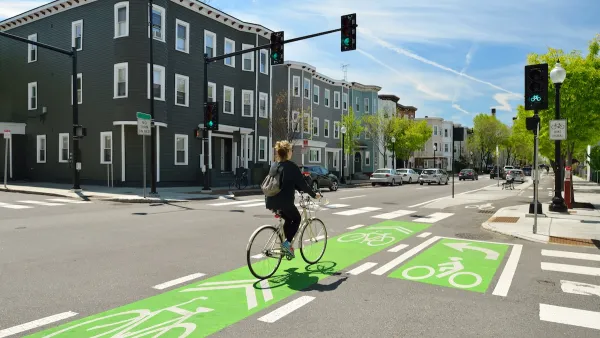
NACTO Releases Updated Urban Bikeway Guide
The third edition of the nationally recognized road design guide includes detailed design advice for roads that prioritize safety and accessibility for all users.
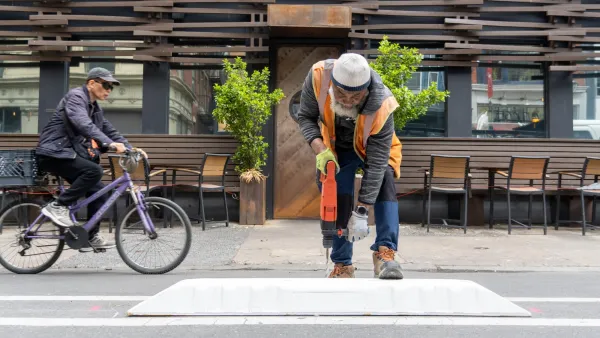
Philadelphia adds new safety measures to 13th Street bike lane
The city is piloting plastic, modular bike lane separators that buffer cyclists from the adjacent vehicle lane.

Planetizen Federal Action Tracker
A weekly monitor of how Trump’s orders and actions are impacting planners and planning in America.

The state-sanctioned urbicide of Austin
People don’t kill cities. Freeways do.

US to reduce Colorado River water deliveries to Mexico
A new Colorado Treaty amendment reduces Mexico’s Colorado River water allocation by 250,000 acre feet.

Mamdani overhauls NYC's Vision Zero plan with 100 new policy goals
The overhaul aims to reduce traffic deaths and make streets safer for pedestrians, cyclists and drivers through lower speed limits, new safety infrastructure and more.

Amtrak not solely to blame for New Jersey commuter rail's unreliability, report finds
A new study from the Garden State Initiative found that NJ Transit’s budget grew 20% across a 4 year period, but reliability declined significantly over the same period.

EPA erases limits on planet-warming pollution from power plants
Under Monday’s plan, power plants would still have some limits on how much mercury, arsenic and other contaminants they can emit.

FREE Course: Walkable City 1: Why Walkability?
After describing his path towards focusing on walkability as the essence of good planning, Jeff Speck marches through his five principal reasons for making more walkable places.
Reinventing Malls: Planning Alchemy—Turning Gray Fields Into Gold
The course focuses on the opportunities and imperatives that shape reinvention of mall sites.

Eagle County Government
Harvard University Graduate School of Design
Nashville Planning Department
The Architects Foundation
University of Cincinnati Online
The Pocatello Development Authority
The Urban Renewal Agency of the City of Pocatello
Journal of the American Planning Association