An ode to the bendy boys, by far the wackiest of the specialized vehicles you might find at a transit authority.



This article is a joyous interruption to our regularly scheduled programming with Chicago-based transit planner extraordinaire Joshua Woods, who authors Thoughts About Cities. Every two weeks, Joshua schools us in Transit Scheduling 101. A follow-up to his popular 2025 column, Transit Planning 101, Transit Scheduling 101 is the next installment in his journey to give you the transit planning boot camp you wish you got in planning school.
This week he’s taking a little break from scheduling to sing the praises of an unsung transit workhorse. Stay tuned for his next installment of Transit Scheduling 101 on March 24!
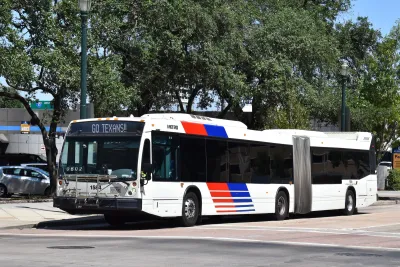
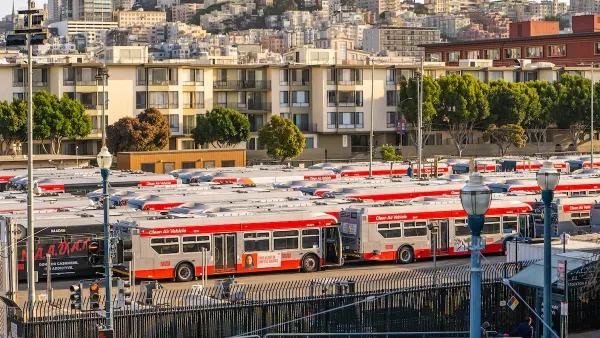
Articulated buses. Bendy boys. “Archicoochies,” as one CTA bus driver called them when lamenting to my husband that the #76 Diversey is always crowded. If transit existed anthropomorphically in some Pokémon-esqe universe, articulated buses would definitely not be a base-stage Pokémon. You hope to never stumble upon a Gyarados. If you want one, you evolve it from a Magikarp. Similarly, you don’t start a transit operation with a 60’ articulated bus. You opt for that specific upgrade once you’ve proven you have a lot of people that need moving. For the vast majority of transit systems in the United States, the combination of land use and transit service frequency means a 40’ bus is plenty. Some places are even scaling down from standard 40’ transit buses to 35’ or even 30’ buses that sip a little less fuel while making maneuvering tight corners a bit easier.
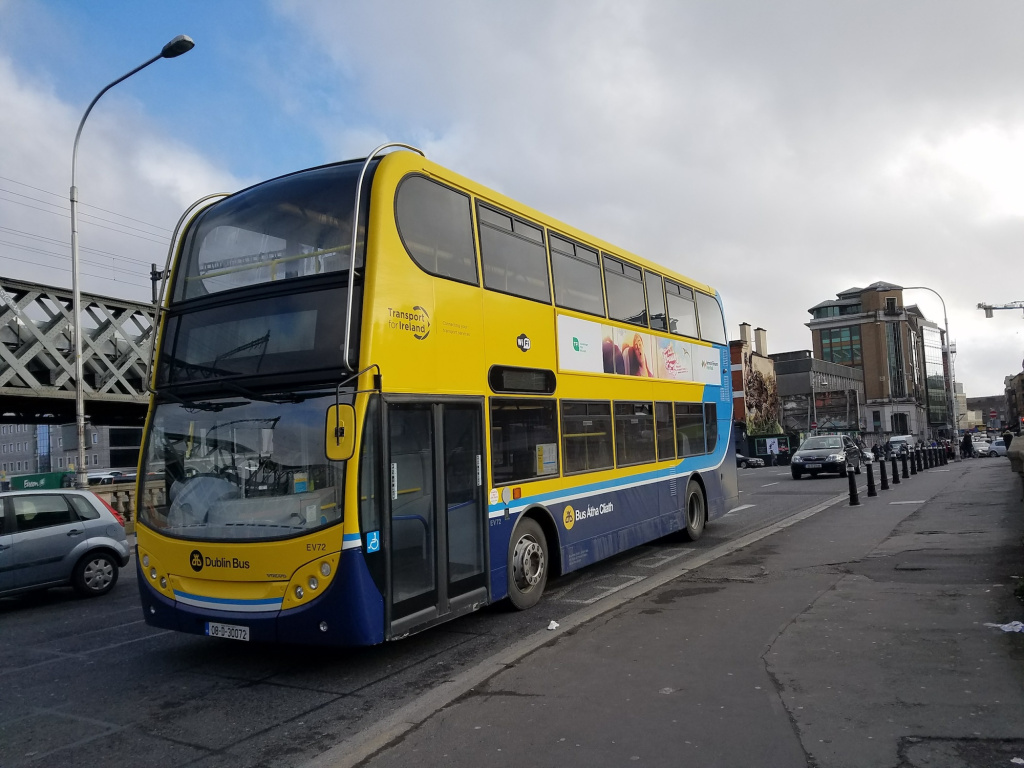
Still, in the places where favorable conditions for Good Transit prevail, 40’ of bus might not be enough to meet peak loads. When the demand for transit tangibly exceeds the supply, and additional frequency isn’t an option, the next logical choice is to make the bus bigger. The two options to get that done are to make the bus taller or make the bus longer. A standard transit bus is around 10 to 11 feet tall. Above 13 feet tall is when you really start to run into vehicle clearance issues, especially in urban areas. That leaves 2 to 3 feet to squeeze in another layer of passengers, plus room for a staircase. A tall order indeed (no pun intended).
Difficult doesn’t mean impossible, as demonstrated by the Enviro500 SuperLo.
Still, there’s prudence in following the path of least resistance when attempting to solve an open-ended problem. In the United States, we don’t have the road space constraints¹ that make the double-decker bus the logical choice in much of the United Kingdom, so why stick to the solution designed around that constraint? This question becomes more pressing when considering that the added capacity offered by double-decker buses comes with one key operational downside: increased dwell times.
Dwell Time (n) - The amount of time a vehicle remains stopped at a station or stop to allow passengers to board and alight, and to complete any required operational tasks such as fare payment or door operations.
Even as passengers naturally adjust their behavior to speed up the process (i.e., sitting up top for longer trips and downstairs for shorter trips, or heading downstairs in advance of arriving at the bus stop), doubling the passenger capacity while maintaining the same number of doors pretty much guarantees you’re going to slow the bus down.
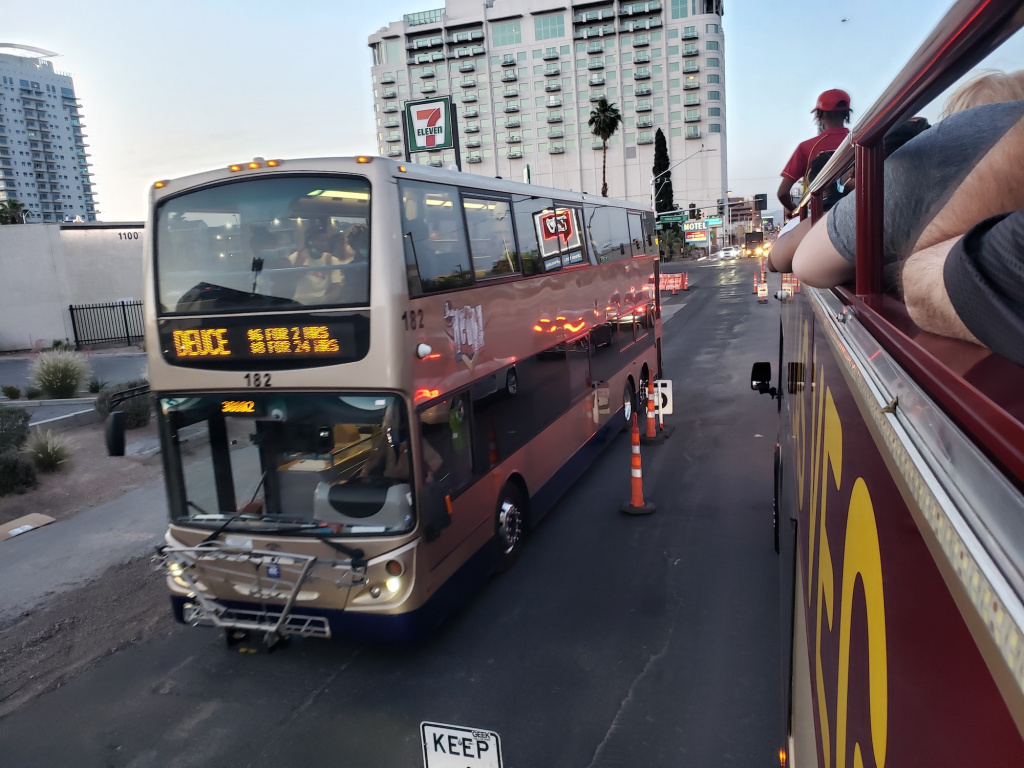
This additional dwell time is a minor problem for longer-distance, commuter-oriented routes, or more easygoing, tourist-oriented routes. It’s a major problem for urban services where the bus is boarding and discharging passengers every few blocks. If you’ve ever ridden the Deuce in Las Vegas, Nevada, you’ve seen this challenge in real-time.
Its clunky fare structure, married with invariably confused tourists doesn’t help speed things along either
In rolls the bendy bus
Articulated buses sidestep this additional dwell time by stretching out the bus and slapping on a few more doors to accommodate the additional passenger load. ‘Artics,’ as they’re colloquially known, also eliminate the inherent risks associated with having passengers climb a staircase on a moving bus.
The first articulated bus on record was built in Milan, Italy, in 1937. Despite the articulated bus’s natural alignment with the wider roads that were being built across America, it wasn’t until the 1970s that articulated buses started making their U.S. debut, with the Crown-Ikarus 286 leading the charge. This bus, offered in 55’ and 60’ models, imported the service-tested frame of the Hungarian Ikarus 280 and built it out with American parts and labor via the Crown company to comply with Buy America requirements.
Although the Ikarus 286 could be found in Portland, Houston, Milwaukee, and Honolulu, it wasn’t the only articulated bus making its mark on the American transit landscape. By 1970, the CTA Blue Line only reached as far as Jefferson Park. Continued travel to O’Hare Airport was covered by the CTA #40 O’Hare Express, operating MAN SG 220 articulated buses, until the Blue Line was extended to O’Hare Airport in 1984. This marked the first time articulated buses were operated in revenue service by the Chicago Transit Authority.
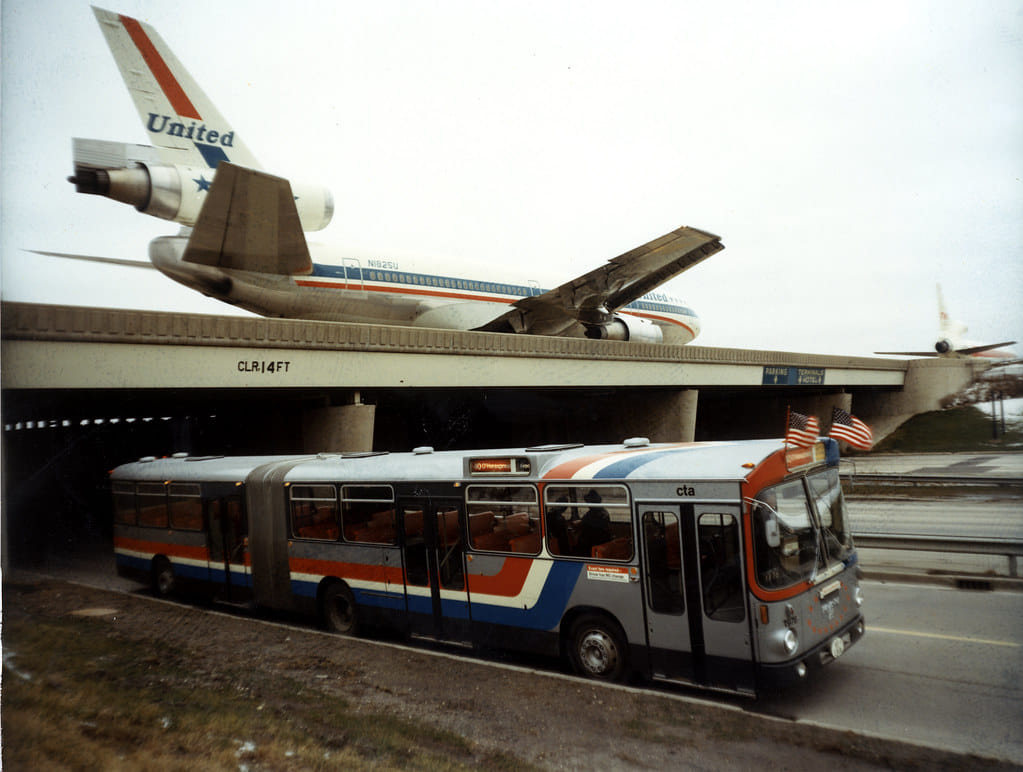
The only major trade-off with articulated buses (beyond the new structural weak point that is the articulation) is the vehicle itself. 60 feet of bus is a lot of vehicle. A 40-foot bus weighs between 26,000 and 30,000 lbs. An articulated bus starts at 40,000 lbs, over 5 tons heavier.
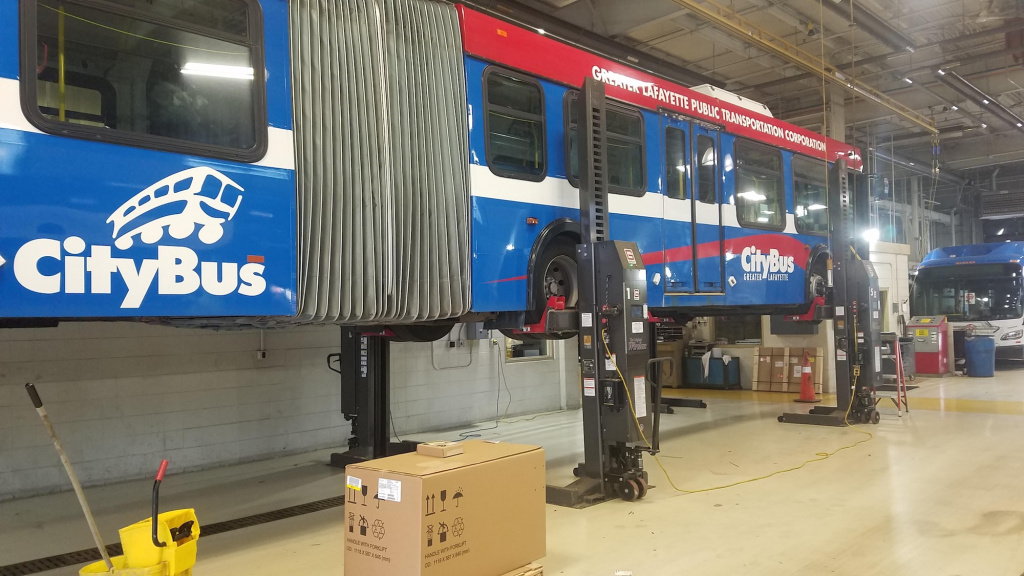
If you ride the bus regularly, you probably remember the first time you saw one of these monsters swinging around the corner to pick you up. If you don’t take transit often, you still might remember the first time you encountered one of these on the road. The first time I drove an artic was on the Silver Loop, the bus route of lore while I was attending undergrad at Purdue.
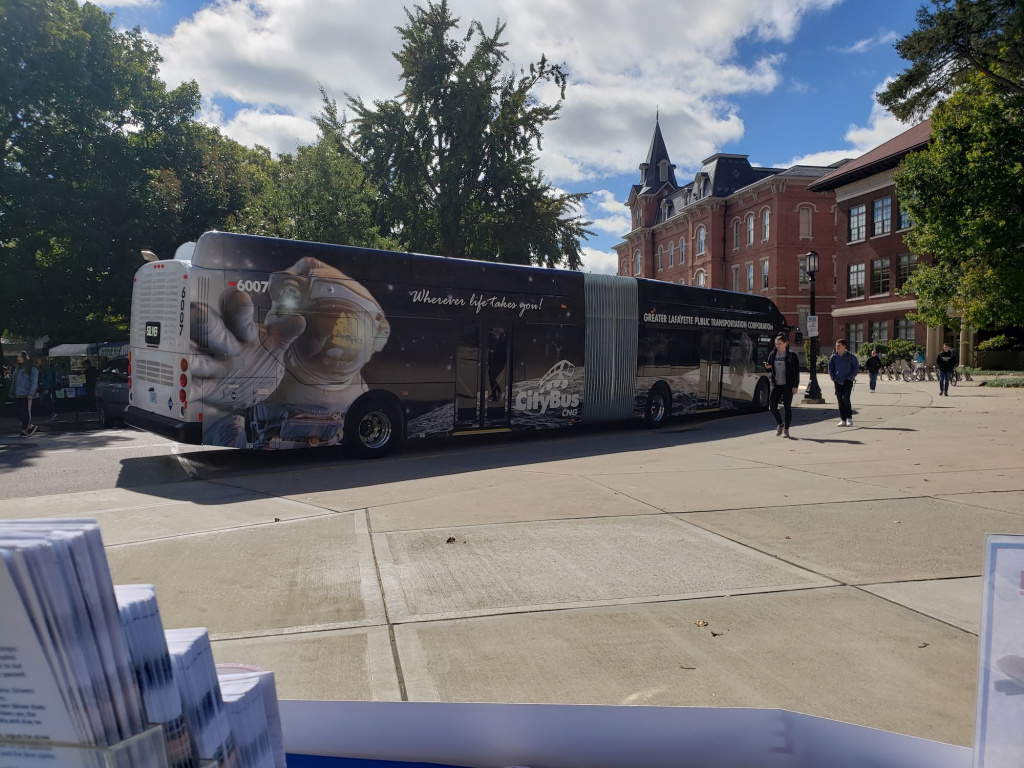
When I first got my Commercial Driver’s License, I was actually surprised when I learned I was going to be able to drive an artic. I have a Class B CDL, one step below the Class A CDL required to drive combination vehicles like semi trucks. Naively, I assumed the back half of the bus counted as a trailer, and accepted that the bendy boys would be reserved for the truckers-turned-bus drivers that every transit authority typically has a handful of. You can imagine my elation when I was led to the bus barn for my in-vehicle training and we passed all the standard buses to hop in an artic.
Once I got used to the bounciness that naturally comes with having a literal crease in the middle of the vehicle, I was surprised to find the articulated bus actually handled the same as, if not better than, a standard 40’ transit bus. The turning radius of a vehicle is determined by its wheelbase, or the distance between its front and back tires. Whereas a 40’ bus consists of one 40’ segment, an articulated bus is basically two 30’ buses stuck together.
When I was learning to drive an artic, the rule of thumb I was given was to drive the front half of the bus and trust that the back half will fall in line — guidance that has not led me astray yet. Even in inclement weather, that rule of thumb still mostly holds, which is a feat considering most modern artics are rear-wheel drive. The only required modification in the winter is to check your mirrors coming out of the turn to see where exactly the back half of the bus is. As long as the fishtailing isn’t too bad, keep it moving and you should straighten out.
I turn 30 this year, which has left me reflecting on all of the neat and unique experiences I’ve had in my nearly three decades on this planet. If little baby Joshua, the boy who used to check out the largest, flattest book from the school library to use as a steering wheel while pretend driving the school bus home, knew that college Joshua was going to get to actually drive a bendy bus, he probably would have peed his pants.
Kansas City doesn’t operate articulated buses, so little baby Joshua probably didn’t even know such a thing existed
As I think about the next 30 years, I’ve had to come to terms with the fact that my articulated bus driving days are likely in my rearview. While I still plan on maintaining my CDL and driving buses for a good long while, realistically, the Venn Diagram between places that have the demand and maintenance capacity to operate articulated buses, and the places I’m likely to drive a bus looks a lot like two circles. It’s always a melancholy feeling seeing a chapter close, and I’m being treated well by motorcoaches right now, but I’m still grateful for the opportunity I was afforded to catch a Gyarados.
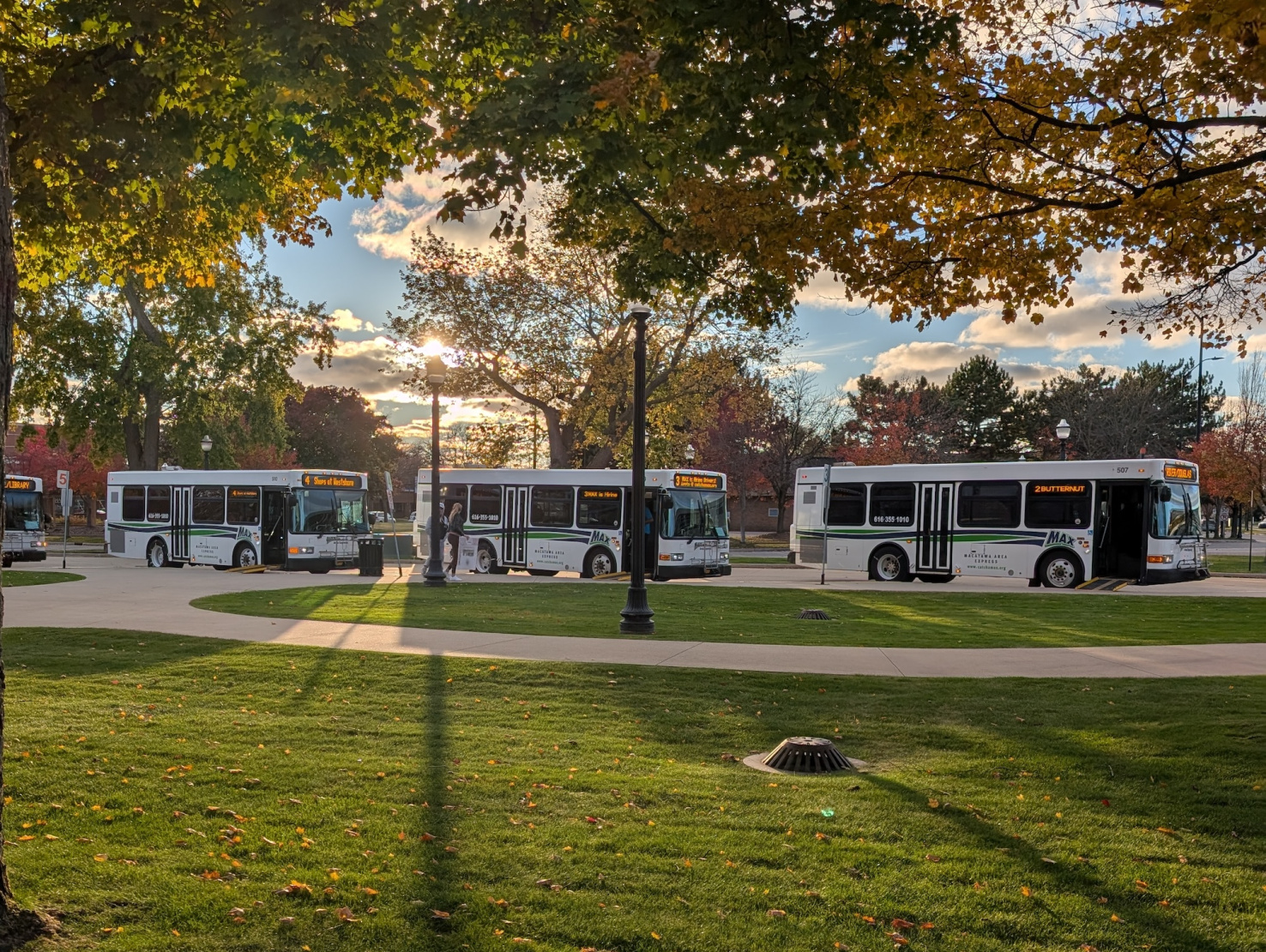
So anyway, here are some of the articulated buses I’ve encountered in the wild.
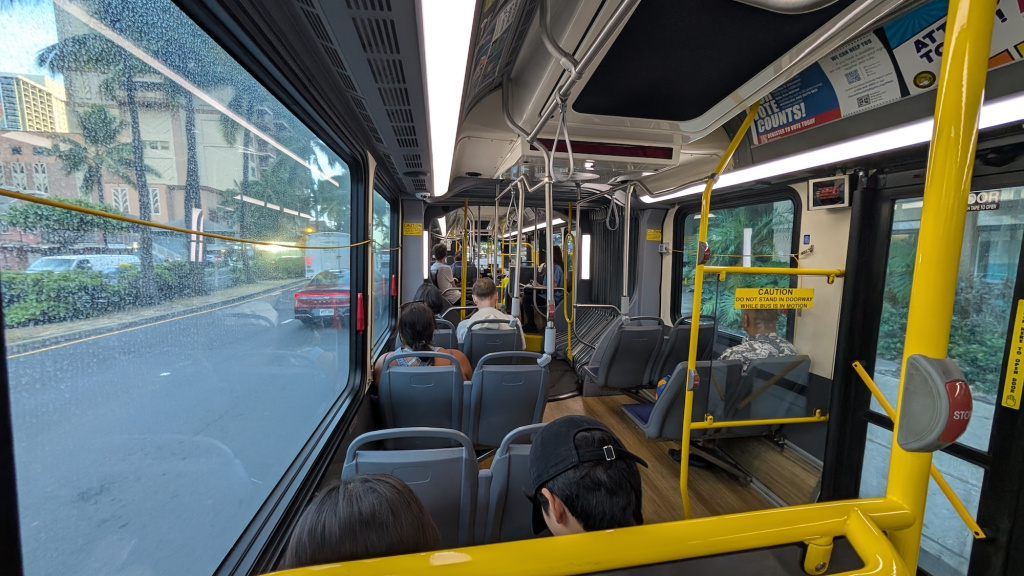
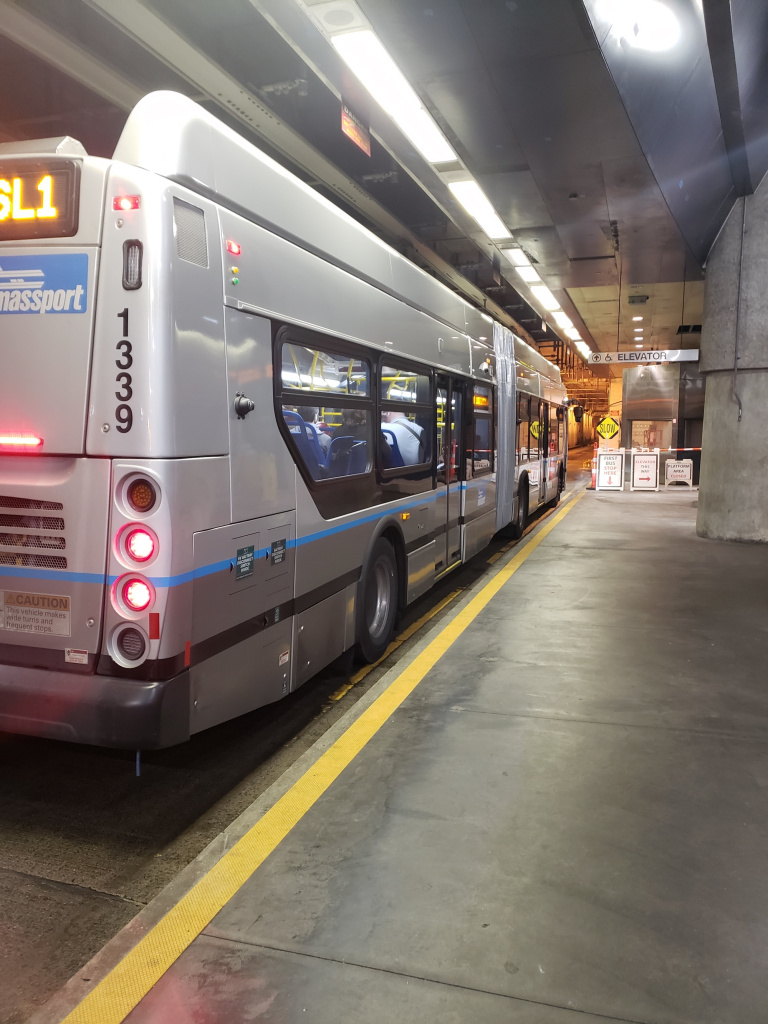
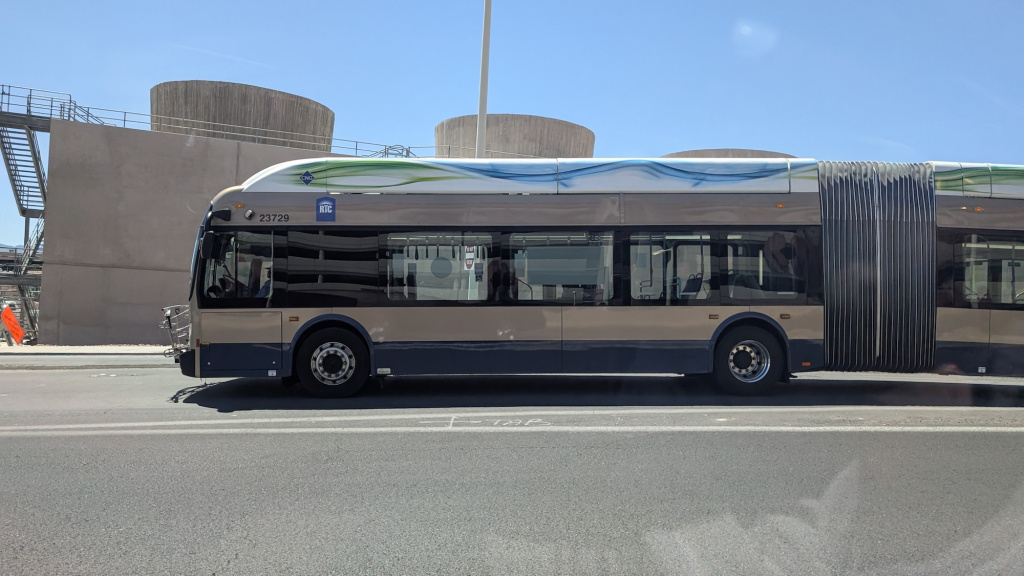

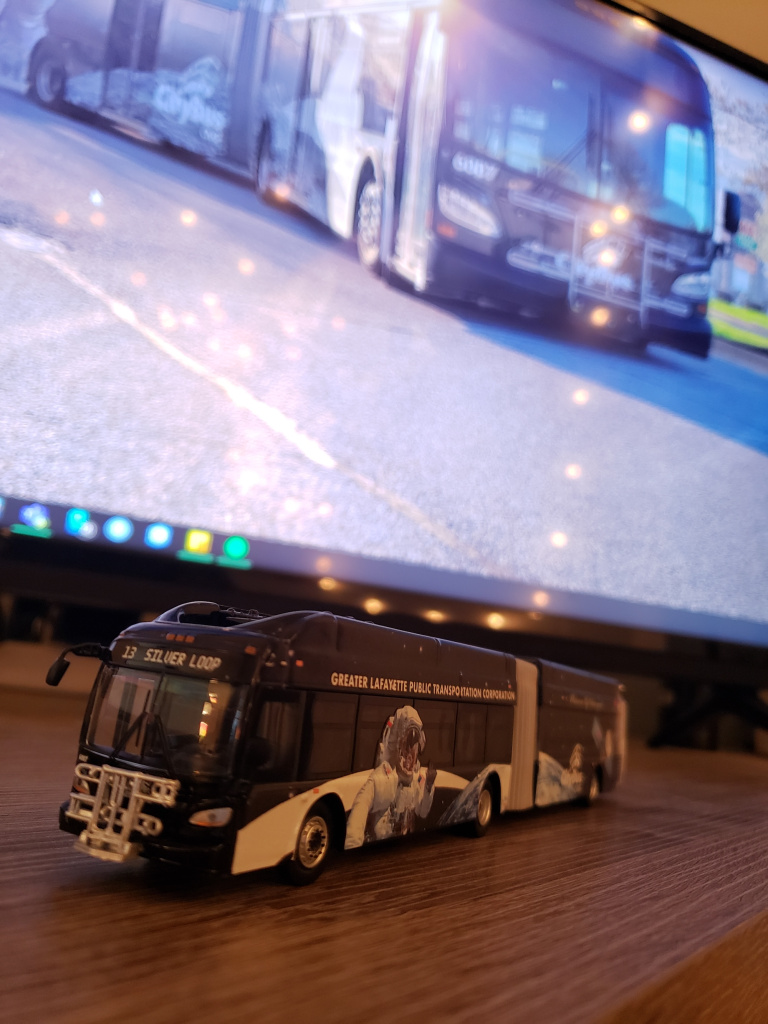
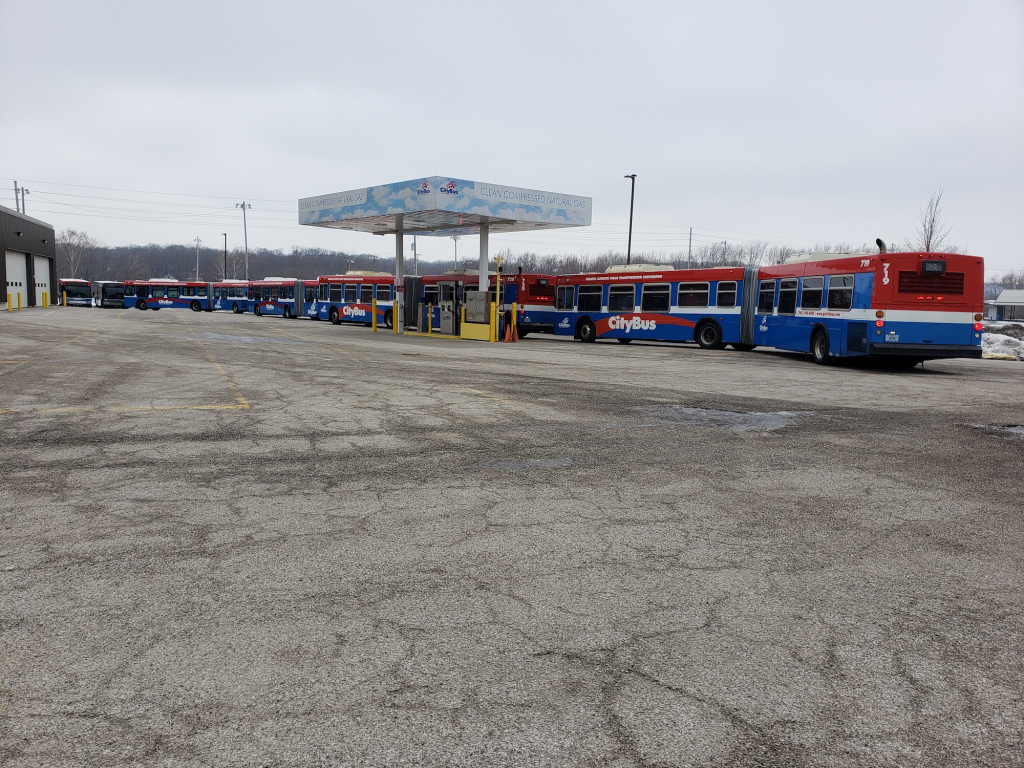
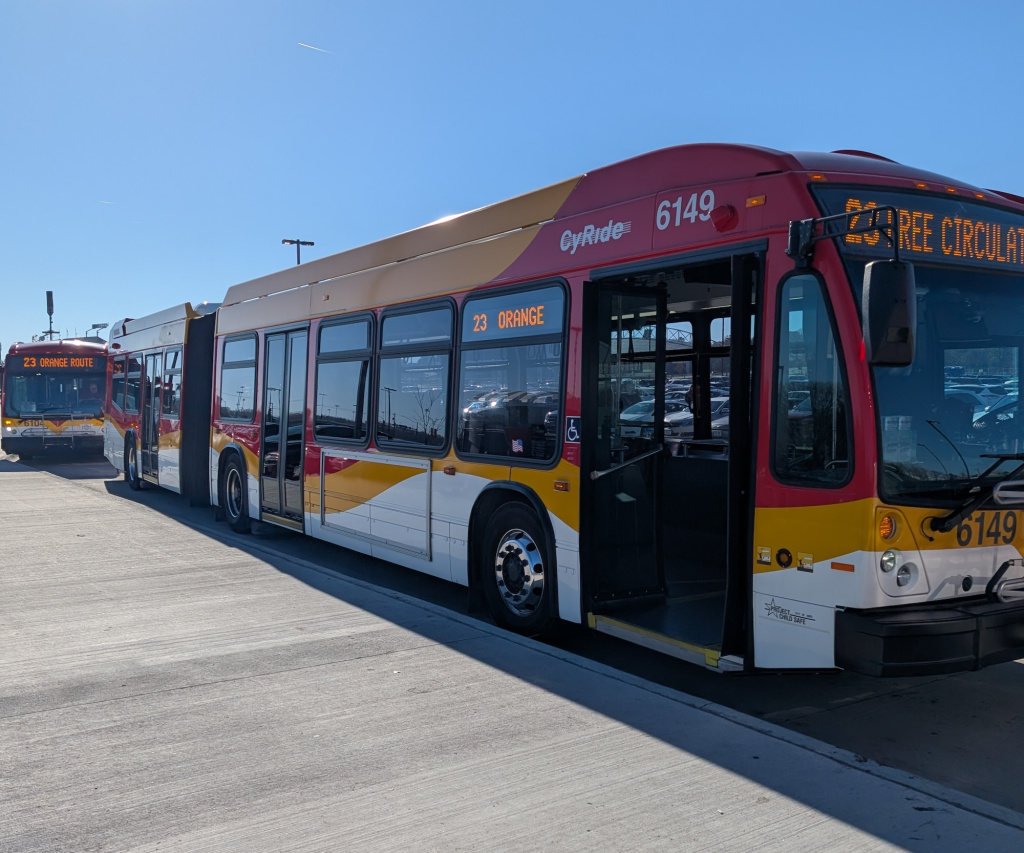
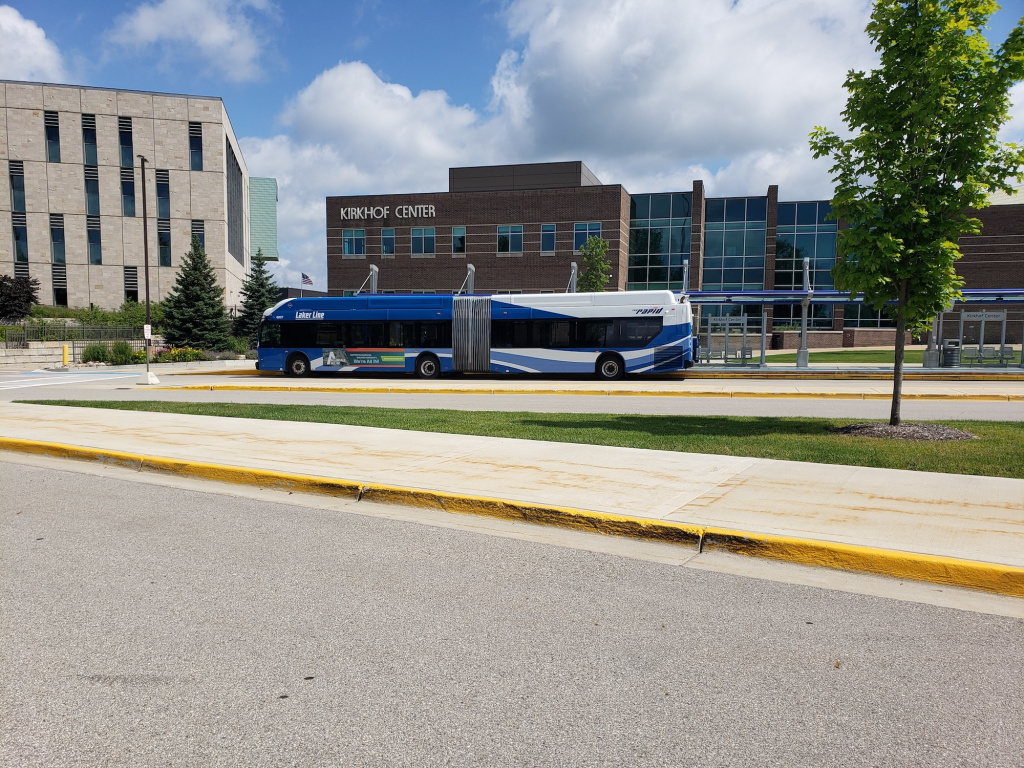
College towns are actually over-represented on the list of transit authorities that operate articulated buses, largely because college towns tend to deliver transit service that punches above their weight. Learn why in this guest post I wrote a while ago for the College Towns page.
Keep riding, and stay safe out there✌🏽.
¹ For better and for worse

Transit Scheduling 101: Developing A Runtime
Runtime (n) - The time required for the transit vehicle to travel from one end of the line to the other. We'll take a deeper look at runtimes in this installment of Transit Scheduling 101!
USDOT Announces $2B in Grants for Transit Buses, Favoring Hybrids Over Electric Options
The new round of grants for buses and facility upgrades doesn’t include any for battery-electric buses, favoring instead diesel-electric hybrids and CNG buses.
Why US Transit Agencies Pay 'Inconsistent and Exorbitant Prices' for Buses Compared to Europe, Asia
Inefficiencies in the procurement process, small contract sizes, and an emphasis on customization leads American transit agencies to pay more than double for the same vehicles.

Planetizen Federal Action Tracker
A weekly monitor of how Trump’s orders and actions are impacting planners and planning in America.

The state-sanctioned urbicide of Austin
People don’t kill cities. Freeways do.

US to reduce Colorado River water deliveries to Mexico
A new Colorado Treaty amendment reduces Mexico’s Colorado River water allocation by 250,000 acre feet.

Mamdani overhauls NYC's Vision Zero plan with 100 new policy goals
The overhaul aims to reduce traffic deaths and make streets safer for pedestrians, cyclists and drivers through lower speed limits, new safety infrastructure and more.

Amtrak not solely to blame for New Jersey commuter rail's unreliability, report finds
A new study from the Garden State Initiative found that NJ Transit’s budget grew 20% across a 4 year period, but reliability declined significantly over the same period.

EPA erases limits on planet-warming pollution from power plants
Under Monday’s plan, power plants would still have some limits on how much mercury, arsenic and other contaminants they can emit.

FREE Course: Walkable City 1: Why Walkability?
After describing his path towards focusing on walkability as the essence of good planning, Jeff Speck marches through his five principal reasons for making more walkable places.
Reinventing Malls: Planning Alchemy—Turning Gray Fields Into Gold
The course focuses on the opportunities and imperatives that shape reinvention of mall sites.

Eagle County Government
Harvard University Graduate School of Design
Nashville Planning Department
The Architects Foundation
University of Cincinnati Online
The Pocatello Development Authority
The Urban Renewal Agency of the City of Pocatello
Journal of the American Planning Association

