Even a 5-10% drop in cars on the road can dramatically ease congestion, making healthy transit systems a win-win for transit users and drivers alike.


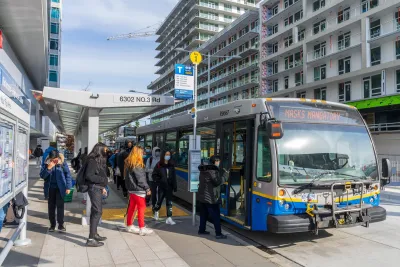
It’s time to reframe the transit funding conversation, writes Andy Boenau in Urbanism Speakeasy. In his commentary, Boenau makes the case that all commuters — regardless of whether they ever set foot on a bus or train — benefit from robust public transit.
Per Boenau:
If you’re like most drivers, public transit is for other people. But here’s the thing: investing in better buses and trains could make your commute faster and less stressful, without you ever setting foot on one. Maybe transit is for other people to ride, but it can help improve your car trips.
According to Boenau, even a reduction of just 5 to 10 percent in cars on the road can significantly ease congestion. “If transit gives some commuters a viable alternative, your commute could save minutes each day without building a single new lane.” Thus, investing in transit even if you don’t use it is a quick way to improve traffic and quality of life.
FULL STORY: Another necessary reframe for the transit narrative

Judge Extends NYC Congestion Pricing Through at Least June 9
A federal judge halted the Trump administration’s effort to kill the program, which remains in limbo as a lawsuit filed by the MTA moves forward.
USDOT Threatens to Pull New York Highway Funding
The Trump administration wants the state to kill New York City’s congestion pricing program despite its demonstrated success.
Multiple Lawsuits Aim to Save NYC Congestion Pricing
Environmental and transit advocacy groups, along with the MTA, are suing USDOT over its recent crusade to end the cordon pricing program.

Planetizen Federal Action Tracker
A weekly monitor of how Trump’s orders and actions are impacting planners and planning in America.

The state-sanctioned urbicide of Austin
People don’t kill cities. Freeways do.

US to reduce Colorado River water deliveries to Mexico
A new Colorado Treaty amendment reduces Mexico’s Colorado River water allocation by 250,000 acre feet.

5 New England states march closer to 800 megawatt wind energy project
Securing federal approval for the project may be complicated under the Trump administration, which has historically been hostile towards domestic wind power.

Baltimore to break ground on $50 million Transit Priority Project
The project will bring faster bus trips, safer streets and better bike connections to Baltimore.

Airbnb launches $250 million 'last-dollar financing' housing accelerator, makes first investment in Austin
The company will put $6.4 million towards affordable housing development in Texas’ capital.

FREE Course: Walkable City 1: Why Walkability?
After describing his path towards focusing on walkability as the essence of good planning, Jeff Speck marches through his five principal reasons for making more walkable places.
Reinventing Malls: Planning Alchemy—Turning Gray Fields Into Gold
The course focuses on the opportunities and imperatives that shape reinvention of mall sites.

Eagle County Government
Harvard University Graduate School of Design
Nashville Planning Department
The Architects Foundation
University of Cincinnati Online
The Pocatello Development Authority
The Urban Renewal Agency of the City of Pocatello
Journal of the American Planning Association