The alarming rise in injuries to riders is due in part to the powerful, unregulated electric motorcycles posing as e-bikes.


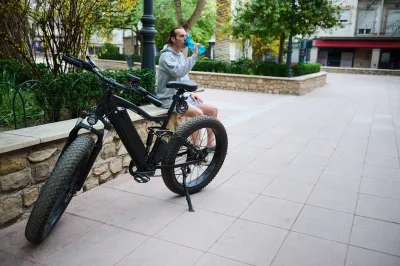
An alarming rise in e-bike-related injuries can be attributed to the lack of clarity in the way we define — and regulate — e-bikes, writes Alvin Holbrook in Velo. Many of the bikes involved in the most severe crashes are more akin to electric motorcycles, with top speeds of up to 50 miles per hour.
These vehicles skirt the legal regulations for e-bikes and should, according to safety advocates, be regulated differently. A vehicle that doesn’t meet all three federal requirements for e-bikes — “it must have operable pedals, an electric motor of 750 watts or less, and a maximum speed when powered solely by the motor of 20 miles per hour” — is legally a motor vehicle, “subject to National Highway Traffic Safety Administration (NHTSA) regulations, and should not be treated the same way as other e-bikes.”
According to Holbrook, regulatory gaps at the federal level and inconsistent enforcement are part of the problem. “Electric bicycles are transforming transportation, providing environmentally friendly, economically accessible mobility for millions.” But their benefits could be outweighed by the safety problems caused by e-motos if policymakers don’t address regulatory confusion. “The solution to cutting e-bike injuries isn’t to ban them or impose onerous restrictions on legitimate electric bicycles. It’s holding e-moto manufacturers accountable for the motor vehicles they produce, requiring honest marketing, and giving federal agencies the authority and resources to enforce existing laws.”
FULL STORY: E-Bike Injuries Are Up 1,800%, But It's Not Actually E-Bikes: It's Electric Motorcycles

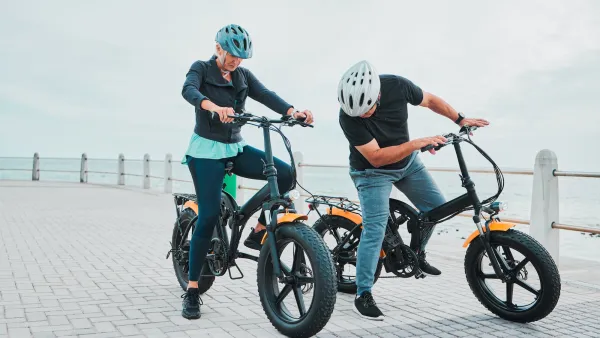
Is that an e-bike or electric motorcycle? A New Washington law clarifies.
New regulations require electric motorcycle riders to have a driver's license.
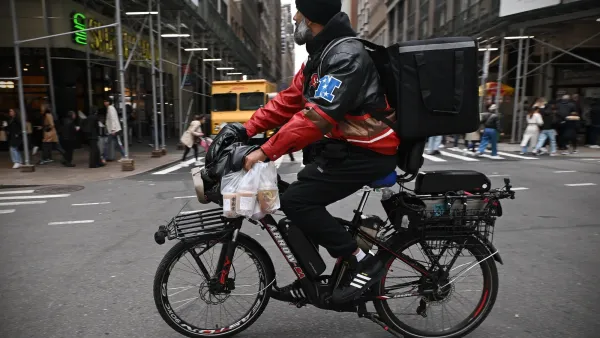
Study: Delivery Workers Are the Safest Cyclists on NYC Roads
A new study shows that delivery workers are more likely to stop at red lights and obey traffic rules than recreational or commuter riders.
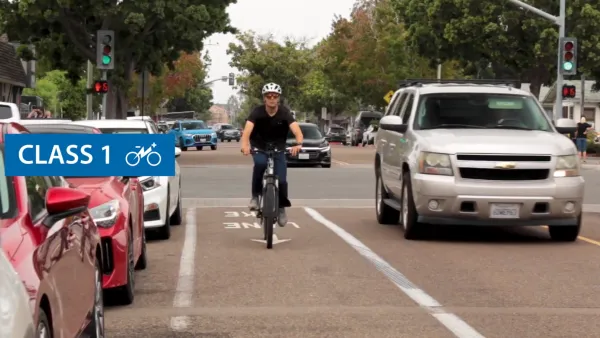
Carlsbad, California Could Set Age Limits for E-bikes
Some California jurisdictions say a minimum age limit is necessary for high-powered e-bikes due to the high number of injuries in recent years.

Planetizen Federal Action Tracker
A weekly monitor of how Trump’s orders and actions are impacting planners and planning in America.

The state-sanctioned urbicide of Austin
People don’t kill cities. Freeways do.

US to reduce Colorado River water deliveries to Mexico
A new Colorado Treaty amendment reduces Mexico’s Colorado River water allocation by 250,000 acre feet.

Mamdani overhauls NYC's Vision Zero plan with 100 new policy goals
The overhaul aims to reduce traffic deaths and make streets safer for pedestrians, cyclists and drivers through lower speed limits, new safety infrastructure and more.

Amtrak not solely to blame for New Jersey commuter rail's unreliability, report finds
A new study from the Garden State Initiative found that NJ Transit’s budget grew 20% across a 4 year period, but reliability declined significantly over the same period.

EPA erases limits on planet-warming pollution from power plants
Under Monday’s plan, power plants would still have some limits on how much mercury, arsenic and other contaminants they can emit.

FREE Course: Walkable City 1: Why Walkability?
After describing his path towards focusing on walkability as the essence of good planning, Jeff Speck marches through his five principal reasons for making more walkable places.
Reinventing Malls: Planning Alchemy—Turning Gray Fields Into Gold
The course focuses on the opportunities and imperatives that shape reinvention of mall sites.

Eagle County Government
Harvard University Graduate School of Design
Nashville Planning Department
The Architects Foundation
University of Cincinnati Online
The Pocatello Development Authority
The Urban Renewal Agency of the City of Pocatello
Journal of the American Planning Association