New regulations require electric motorcycle riders to have a driver's license.


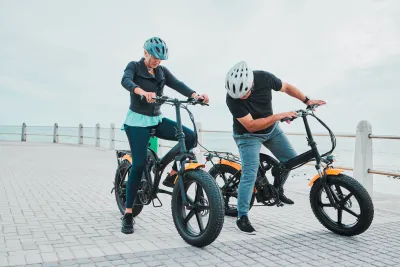
A new Washington state law clarifies the difference between electric bikes and electric motorcycles and creates different rules for riders, reports Becca Most in Government Technology.
"Under the law, e-bikes cannot go over 20 mph without the rider pedaling and cannot have a motor that produces more than 750 watts of power. If an e-bike fails to meet those requirements, it will legally be considered an electric motorcycle, which requires a license and the rider to be 16 years or older, per the statute." The law also states that Class 3 e-bikes, which have a motor that stops providing assistance when the rider reaches 28 mph, also cannot be operated by people under 16.
A spokesperson from the Pierce County Sheriff's Office said that "Unsafe operation of these vehicles has resulted in increased risks to pedestrians, motorists and other lawful users of public spaces. In many cases, operators are juveniles who may not possess the required driver’s license, vehicle registration or equipment necessary for lawful operation on public roadways."
FULL STORY: Washington State Law Distinguishes E-bikes, Motorcycles

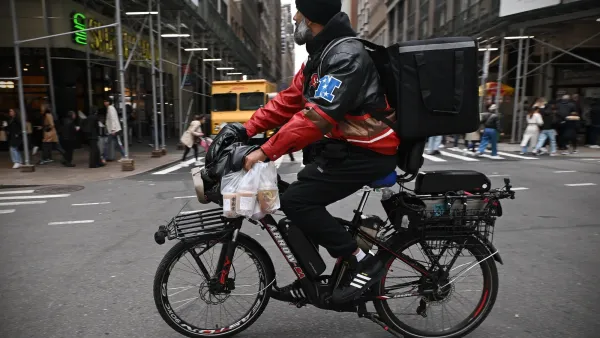
Study: Delivery Workers Are the Safest Cyclists on NYC Roads
A new study shows that delivery workers are more likely to stop at red lights and obey traffic rules than recreational or commuter riders.
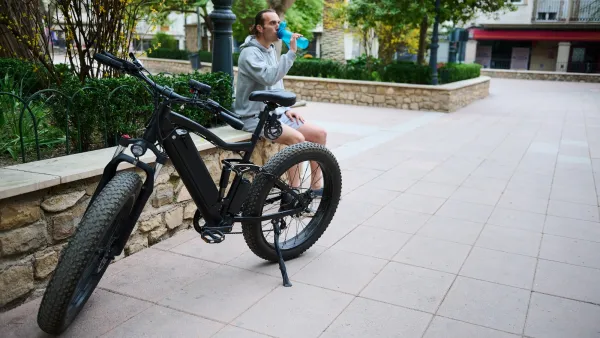
E-bike Injuries are up 1800% — but That's not the Full Story
The alarming rise in injuries to riders is due in part to the powerful, unregulated electric motorcycles posing as e-bikes.
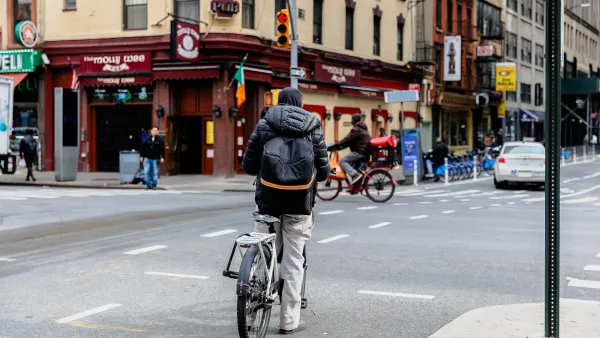
NYC e-bike injury study highlights 'critical infrastructure deficiencies'
The sharp rise in e-mobility injuries points to a need for safer roads, not more punitive laws.

The state-sanctioned urbicide of Austin
People don’t kill cities. Freeways do.

US to reduce Colorado River water deliveries to Mexico
A new Colorado Treaty amendment reduces Mexico’s Colorado River water allocation by 250,000 acre feet.

New Jersey’s second-largest city bans standalone data centers
Jersey City will continue to allow co-location facilities, such as those meant for research institutions that store their own data.

Amtrak not solely to blame for New Jersey commuter rail's unreliability, report finds
A new study from the Garden State Initiative found that NJ Transit’s budget grew 20% across a 4 year period, but reliability declined significantly over the same period.

EPA erases limits on planet-warming pollution from power plants
Under Monday’s plan, power plants would still have some limits on how much mercury, arsenic and other contaminants they can emit.

Phoenix announces new on-demand transit service, more frequent RAPID buses
Both new services will launch in October, and are part of Phoenix's Project Effective Access Solutions for Easing Congestion.

FREE Course: Walkable City 1: Why Walkability?
After describing his path towards focusing on walkability as the essence of good planning, Jeff Speck marches through his five principal reasons for making more walkable places.
Reinventing Malls: Planning Alchemy—Turning Gray Fields Into Gold
The course focuses on the opportunities and imperatives that shape reinvention of mall sites.

Eagle County Government
Harvard University Graduate School of Design
Nashville Planning Department
The Architects Foundation
University of Cincinnati Online
The Pocatello Development Authority
The Urban Renewal Agency of the City of Pocatello
Journal of the American Planning Association