How reverting one-way streets to two-way can boost both safety and economic development.


One-way streets may move traffic more efficiently, but did you know they contribute to a decline in road safety and local economic development? In his newest video on the City Beautiful YouTube channel, Dave Amos explains why more cities are returning one-way streets to two-way.
According to a piece by Aysha Khan in Next City, “Not all one-way streets are bad; sometimes they work well for narrow corridors or pedestrian-heavy areas.” But Amos argues that many downtown one-way streets are unnecessary, create dangerous conditions for people outside of cars, and reduce connectivity. “Research even suggests they can depress property values and raise crime rates — impacts that often reverse when cities restore two-way traffic.”
In the video, Amos outlines the history of one-way streets, which began popping up in urban areas in the 1940s and 1950s, often effectively serving as connections between highways. Amos explains how different street patterns impact traffic speeds, safety, and flexibility. One-way streets offer a quick way to get to major roads and freeways, but make it more difficult to access local businesses or make unplanned stops. Meanwhile, “Two-way streets create safer spaces and provide more connectivity.”
Read the full story: The Hidden Costs of One-Way Streets

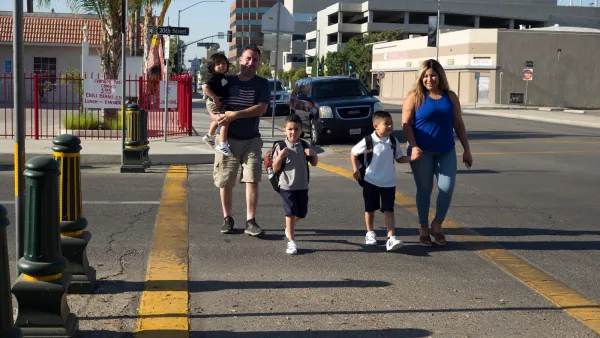
Sunbelt Cities Rank Lowest in Nation for Street Safety
Cities with low road safety rankings are overwhelmingly newer and located in the South and Southwest.
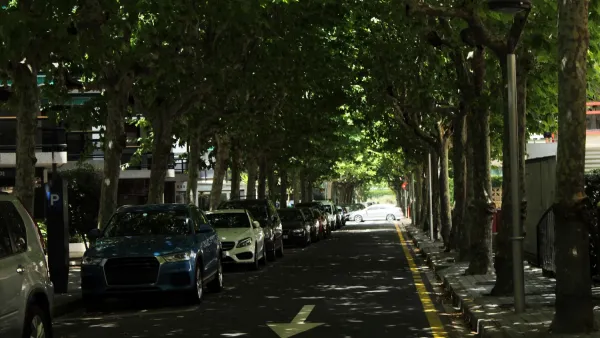
Research: More Complex Streets Are Safer
Streets that offer more perceived obstacles and distractions can force drivers to slow down and drive more carefully.
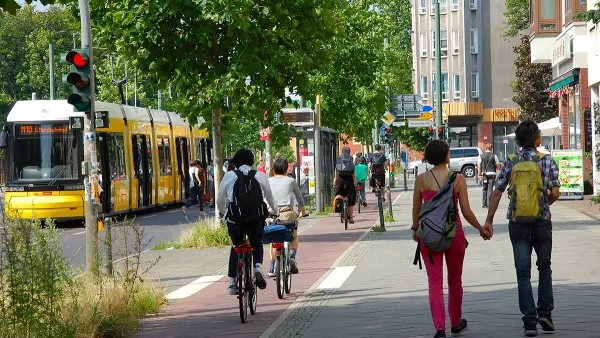
‘Complete Streets’ Webpage Deleted in Federal Purge
Basic resources and information on building bike lanes and sidewalks, formerly housed on the government’s Complete Streets website, are now gone.

Planetizen Federal Action Tracker
A weekly monitor of how Trump’s orders and actions are impacting planners and planning in America.

The state-sanctioned urbicide of Austin
People don’t kill cities. Freeways do.

US to reduce Colorado River water deliveries to Mexico
A new Colorado Treaty amendment reduces Mexico’s Colorado River water allocation by 250,000 acre feet.

Nation's most wind-powered state turns to coal as data centers increase energy demand
For the first time in decades, Iowa has increased its generation of coal power.

NYC cools commuters with city's first rain garden above a bus stop
New York City officials say the plants in the rain garden can absorb 16 gallons of rainwater during heavy storms.

Brightline West’s future may rely on $6 billion federal loan
The company has until Nov. 2 to make a $400 million equity investment into its proposed high-speed rail line.

FREE Course: Walkable City 1: Why Walkability?
After describing his path towards focusing on walkability as the essence of good planning, Jeff Speck marches through his five principal reasons for making more walkable places.
Reinventing Malls: Planning Alchemy—Turning Gray Fields Into Gold
The course focuses on the opportunities and imperatives that shape reinvention of mall sites.

Eagle County Government
Harvard University Graduate School of Design
Nashville Planning Department
The Architects Foundation
University of Cincinnati Online
The Pocatello Development Authority
The Urban Renewal Agency of the City of Pocatello
Journal of the American Planning Association