The California Transportation Commission approved funding for an additional 500 charging ports for electric trucks along some of the state’s busiest freight corridors.


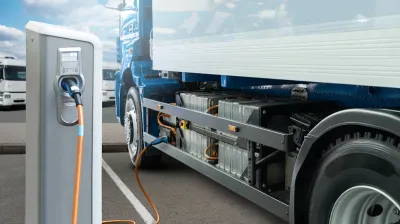
The California Transportation Commission (CTC) approved $94 million to build over 500 electric vehicle charging ports for trucks along the state’s busiest trade corridors, signaling an effort to continue the state’s shift to electric cars and trucks.
According to an article by Carter Rubin for the Natural Resources Defense Council, “This investment may seem modest relative to the state’s $20 billion annual transportation infrastructure budget, but it will increase the number of truck chargers by a whopping 25 percent.”
Despite the federal government’s retreat from supporting electrification, other states can also continue the push with efforts like this that support EV infrastructure in key freight corridors and for private vehicles, Rubin adds. “Advocates can tailor this strategy to fit their state’s transportation funding context by mapping where electrification needs overlap with flexible pots of money. Local mayors and businesses can also make sure that priority EV charging infrastructure projects are included in regional and state transportation project pipelines to ensure eligibility for state and federal funds.”
FULL STORY: Turning Pavement into Electric Truck Charging Stations

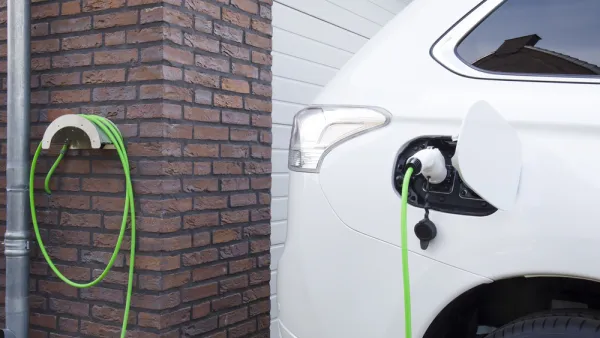
New Jersey Might Be the Most EV-Friendly State in the Nation
Gov. Phil Murphy signed legislation Friday establishing an incentive program for purchasing battery electric vehicles, allowing up to a $5,000 rebate, the nation's highest, plus $500 rebates for home-chargers. EVs are already exempt from sales tax.
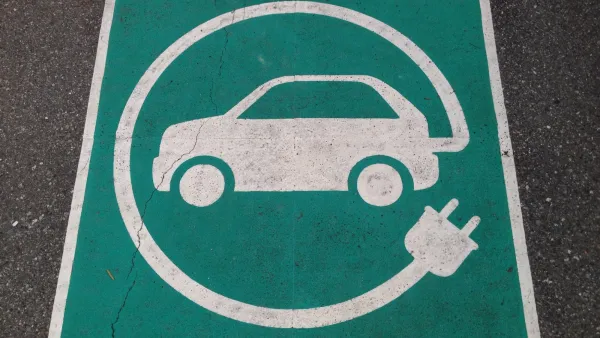
Tenants in Rent Controlled Buildings in California to Gain EV Charging
An exemption to an existing law was removed Monday when Gov. Jerry Brown signed a bill that affords tenants in rent-controlled buildings the same right to request electric vehicle charging capability as renters in unregulated apartments.
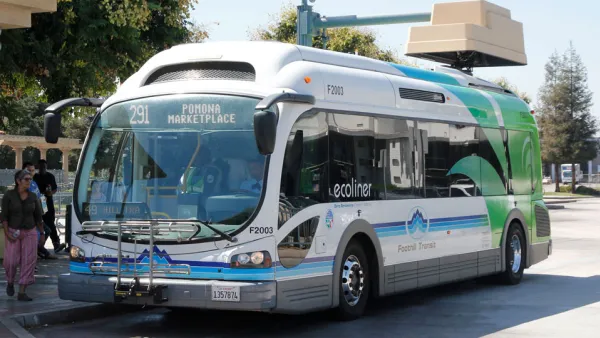
California to Invest $1 Billion in Electric Trucks, Buses, Charging Infrastructure
The investment comes not from the state legislature but from two regulatory bodies, the Air Resources Board and the Public Utilities Commission, authorizing the expenditure of VW settlement funds and utility ratepayer funds, respectively.

Planetizen Federal Action Tracker
A weekly monitor of how Trump’s orders and actions are impacting planners and planning in America.

The state-sanctioned urbicide of Austin
People don’t kill cities. Freeways do.

US to reduce Colorado River water deliveries to Mexico
A new Colorado Treaty amendment reduces Mexico’s Colorado River water allocation by 250,000 acre feet.

5 New England states march closer to 800 megawatt wind energy project
Securing federal approval for the project may be complicated under the Trump administration, which has historically been hostile towards domestic wind power.

Baltimore to break ground on $50 million Transit Priority Project
The project will bring faster bus trips, safer streets and better bike connections to Baltimore.

Airbnb launches $250 million 'last-dollar financing' housing accelerator, makes first investment in Austin
The company will put $6.4 million towards affordable housing development in Texas’ capital.

FREE Course: Walkable City 1: Why Walkability?
After describing his path towards focusing on walkability as the essence of good planning, Jeff Speck marches through his five principal reasons for making more walkable places.
Reinventing Malls: Planning Alchemy—Turning Gray Fields Into Gold
The course focuses on the opportunities and imperatives that shape reinvention of mall sites.

Eagle County Government
Harvard University Graduate School of Design
Nashville Planning Department
The Architects Foundation
University of Cincinnati Online
The Pocatello Development Authority
The Urban Renewal Agency of the City of Pocatello
Journal of the American Planning Association