Ridership on the city’s transit system has gone up by 20 percent since they eliminated bus fares in 2022.


Almost two years ago, Albuquerque eliminated fares on its public bus system. In a piece for Next City, Erin Rode outlines some of the impacts the free fare program has had on the city’s residents.
According to Rode, “Nearly 90% of Albuquerque’s bus riders have household incomes of less than $35,000 per year, and a similar percentage don’t have access to a vehicle.” City officials cite this as one reason why making transit affordable and accessible is “the first purpose of public transit.” Free fares allow people, particularly those who are unhoused, to get to medical appointments, access social services, go to work, and see family.“For other Albuquerque residents, free public transit serves as a lifeline, a vital mobility option when money is tight or other transportation falls through.”
Making transit free citywide also reduces the strain on nonprofit social service providers, some of whom spent their own resources providing bus passes for their clients.
Since Albuquerque first piloted free transit in 2022, ridership is up 20 percent. Previously, fare revenue only brought in roughly $3 million per year to an agency with a $67 million budget. Unlike other cities, which have rolled back Covid-era zero-fare programs, Albuquerque appears committed to keeping transit free.
Read the full story: What Free Transit Looks Like in Albuquerque, Nearly Two Years After the City Eliminated Fares

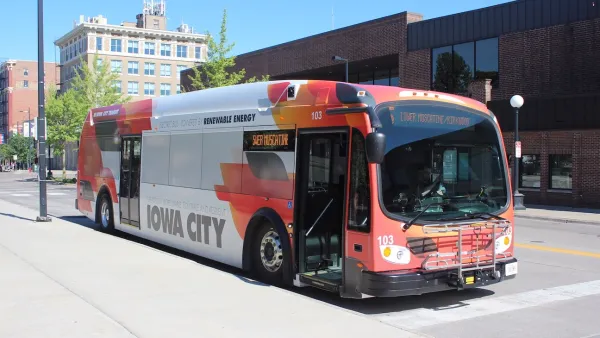
Iowa City's free bus program made ridership spike by 68%. Now, it could go away.
The bus system gained roughly 700,000 new riders since it launched free service in 2023.
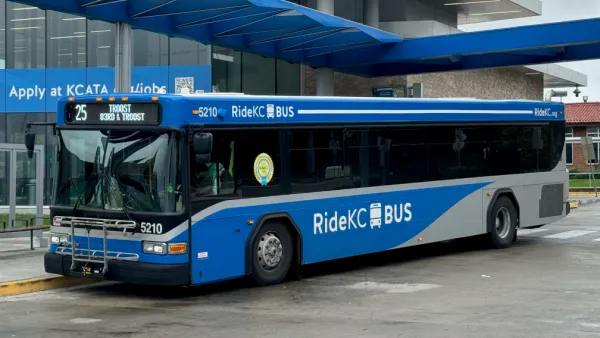
Kansas City Will Start Charging Bus Fares in June — With no Plan in Place for Low-income Riders
Service providers say they haven’t been told how their clients can access free or reduced fares after the agency starts charging again this summer.
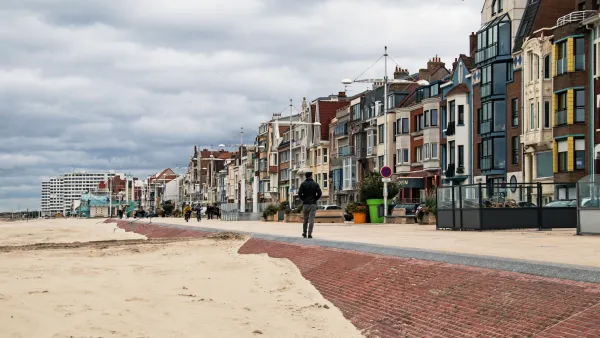
The City Where Free Buses Changed Everything
New York’s new mayor Zohran Mamdani has said he’ll make every bus free to ride. This French city did just that — and is reaping the rewards.

Planetizen Federal Action Tracker
A weekly monitor of how Trump’s orders and actions are impacting planners and planning in America.

California plans to bury El Niño’s downpour
If the state plays its cards right, it may be able to store a billion acre-feet of El Niño’s water in aquifers.

Desperate measures: Advocates weigh draining Lake Powell to fill Colorado River
Draining the reservoir could reduce evaporation losses by a couple hundred thousand acre-feet.

Chicago Avenue bridge construction delays enrages city leaders
The bridge has been closed since 2025. The city originally aimed to re-open it in December, and now expects to finish construction in 2027.

NYC bus network redesign speeds up Queens buses
Rush routes have seen a 4.6% speed increase after the redesign.

California High-Speed Rail Authority picks trainset manufacturer
The California High-Speed Rail Authority aims to start servicing passengers by 2033.

FREE Course: Walkable City 1: Why Walkability?
After describing his path towards focusing on walkability as the essence of good planning, Jeff Speck marches through his five principal reasons for making more walkable places.
Reinventing Malls: Planning Alchemy—Turning Gray Fields Into Gold
The course focuses on the opportunities and imperatives that shape reinvention of mall sites.


City of Rosemead
Rutgers University, Edward J. Bloustein School of Planning and Public Policy
One Hundred Miles
Hunter College, City University of New York (CUNY)
The Architects Foundation
University of Cincinnati Online
City of Cambridge
Montrose County
The Pocatello Development Authority