Five ways the bill negatively impacts U.S. transportation policy.


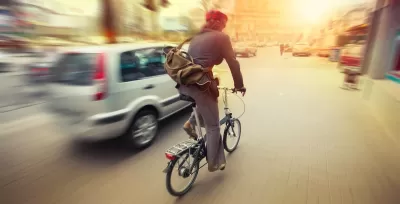
How does the congressional reconciliation bill impact transportation? According to Streetsblog USA editor Kea Wilson, five major transportation-related provisions spell bad news for sustainable transportation advocates.
For one, the bill eliminates a modest but important benefit for bike commuters, as well as other clean commuting benefits. “While workers who rely on a mix of transit passes and van-pooling used to be able to deduct $175 for expenses related to each of those modes from their taxes — along with another $175 in parking benefits for those days when the bus just doesn't come — the new bill only allows multimodal commuters to deduct a total of $175 across all means of transportation.”
The bill retains a credit of up to $10,000 for vehicle purchases and eliminates fines for automakers that violate emissions standards. The bill also kills the federal EV tax credit as well as rebates for installing chargers. It also cuts funding for a variety of climate-related projects such as the Low-Carbon Transportation Materials Program and the Neighborhood Access and Equity Grants program.
FULL STORY: Five of the Ugliest Transportation Policies In the ‘Big, Beautiful’ Bill

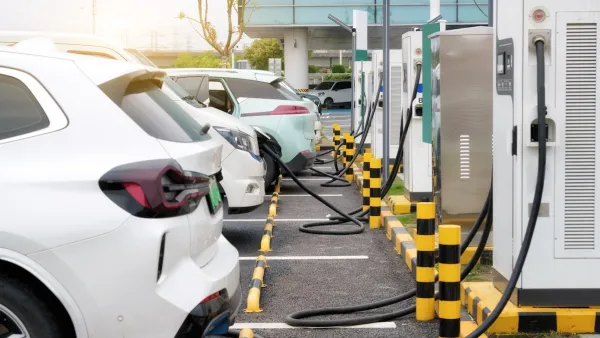
USDOT Issues New Rules for EV Charging Grants After Judge Forces Administration to Unfreeze Funds
The Trump administration is reviving the National Electric Vehicle Infrastructure program, revising its guidelines to eliminate consumer protections, environmental reviews, labor standards, and other provisions from the Biden-era program.
‘Big, Beautiful Bill’ Guts EV Tax Credits
The bill eliminates federal subsidies for electric vehicle buyers and charging stations.
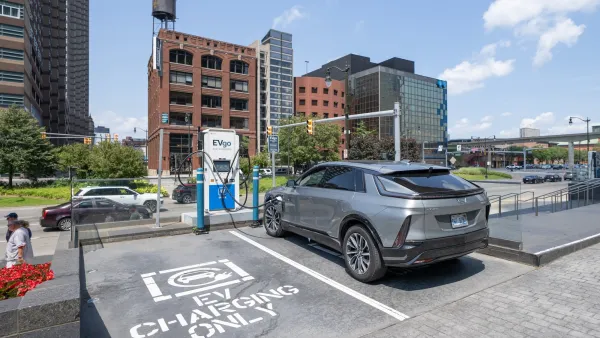
96% of federal EV charging funds from 2021-2022 are unspent
New Buy America requirements and other stipulations are slowing the process for accessing federal funds.

Planetizen Federal Action Tracker
A weekly monitor of how Trump’s orders and actions are impacting planners and planning in America.

The state-sanctioned urbicide of Austin
People don’t kill cities. Freeways do.

US to reduce Colorado River water deliveries to Mexico
A new Colorado Treaty amendment reduces Mexico’s Colorado River water allocation by 250,000 acre feet.

Mamdani overhauls NYC's Vision Zero plan with 100 new policy goals
The overhaul aims to reduce traffic deaths and make streets safer for pedestrians, cyclists and drivers through lower speed limits, new safety infrastructure and more.

Amtrak not solely to blame for New Jersey commuter rail's unreliability, report finds
A new study from the Garden State Initiative found that NJ Transit’s budget grew 20% across a 4 year period, but reliability declined significantly over the same period.

EPA erases limits on planet-warming pollution from power plants
Under Monday’s plan, power plants would still have some limits on how much mercury, arsenic and other contaminants they can emit.

FREE Course: Walkable City 1: Why Walkability?
After describing his path towards focusing on walkability as the essence of good planning, Jeff Speck marches through his five principal reasons for making more walkable places.
Reinventing Malls: Planning Alchemy—Turning Gray Fields Into Gold
The course focuses on the opportunities and imperatives that shape reinvention of mall sites.

Eagle County Government
Harvard University Graduate School of Design
Nashville Planning Department
The Architects Foundation
University of Cincinnati Online
The Pocatello Development Authority
The Urban Renewal Agency of the City of Pocatello
Journal of the American Planning Association