A freeway cap in Portland, Oregon is in jeopardy. But the visionary “restorative redevelopment” next door goes on.


This piece was originally published on The Urban Condition.
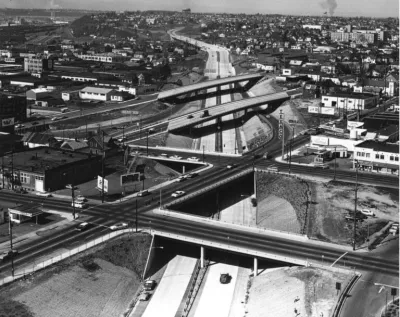
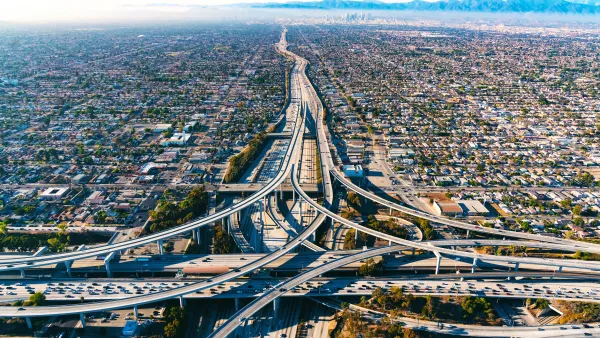
For the past year, I’ve been reporting a longform article for Places Journal on the Biden administration’s most ambitious freeway fix, the Rose Quarter Project in Portland, Oregon. The marquee project of the Reconnecting Communities program would put a four-acre cap over I-5 in the Lower Albina District, a historically Black neighborhood that was devastated by the construction of the freeway and other urban renewal projects in the 1960s.
By all accounts, Oregon’s $450 million Reconnecting Communities grant award was made possible thanks to the support of the Albina Vision Trust, a community organization turned non-profit real estate developer that plans to build a new neighborhood on the land their elders were pushed off of decades ago. The group has methodically built power since its founding in 2017, signing agreements with many of the major landowners in the area, breaking ground on a 94 unit affordable housing complex, and purchasing the historic apartment building next door. Capping the freeway, and eliminating a dangerous offramp into the neighborhood, are prerequisites for making this area livable again.
Albina Vision Trust’s plan to “buy back land, rebuild community, and reroot Black legacies and Black futures” was a perfect compliment to the Reconnecting Communities program. Created through the 2021 Infrastructure Investment and Jobs Act for the “removal, retrofit, or mitigation,” of highways that divided neighborhoods, the program was the first federal policy to specifically address the racism that went into the buildout of the Interstates. Secretary of Transportation Pete Buttigieg regularly tied the program to racial justice in public statements, prompting much mocking from conservative media.
But for the Oregon Department of Transportation, this Reconnecting Communities project is inextricably tied to an expansion of the underlying highway. That’s something that environmental advocates in Portland can’t abide, leading to years of protests and lawsuits. All of these different considerations and constituencies have made the Rose Quarter Project exceedingly politically complex and expensive.
And now there’s another twist. Immediately upon assuming office, President Trump issued executive orders making terms like “racial justice” and “climate change” verboten at federal agencies. As Trump continues to undo as much of Biden’s legacy as possible, Republicans in Congress are poised to eliminate most of the funding for the Reconnecting Communities program with their “Big, Beautiful Bill.” That leaves the Rose Quarter Project — and this entire program, which was funding flawed yet potentially transformative projects from Buffalo to New Orleans — more uncertain than ever.
No matter what happens with the Rose Quarter project, the work of the Albina Vision Trust goes on. The long term plan is to build 3,000 mixed-income, “climate-positive” homes on 94 acres just across the river from downtown Portland. Their first building, Albina One, will begin welcoming residents this summer. Next on the agenda is the redevelopment of the 10 acre Portland Public Schools administrative building, a Brutalist fortress that could become as many 1,000 homes.
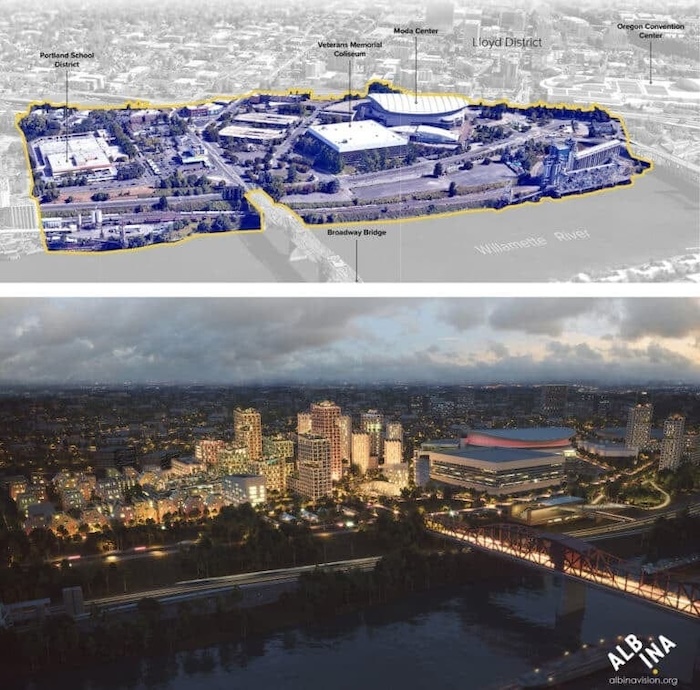
Albina Vision Trust’s model of “restorative redevelopment” seems like a promising extension of the nascent social housing movement, tailored to the American context. It’s especially relevant as cities seek more intentional ways of rebuilding public housing complexes and other places where the legacy of racist urban planning decisions loom large. I’ll have some more thoughts on this in a future post.
In the meantime, I invite you to read my article in Places Journal’s Rethinking the Interstates series. The piece goes deep into the story outlined above, connecting this particular project to the history of freeway construction and freeway removals in the US. It also features a number of lovely people who showed me around Portland and shared their hopes for the city’s future.

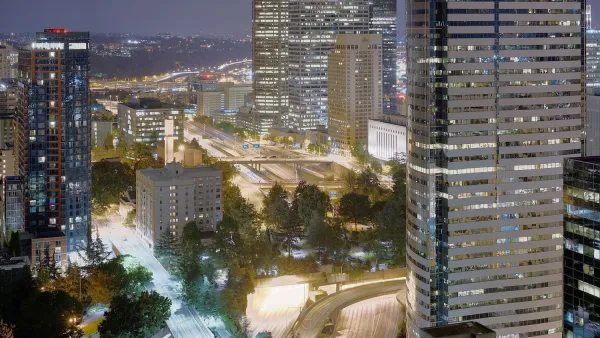
Congress Moves to End Reconnecting Communities and Related Grants
The House Transportation and Infrastructure Committee moved to rescind funding for the Neighborhood Equity and Access program, which funds highway removals, freeway caps, transit projects, pedestrian infrastructure, and more.
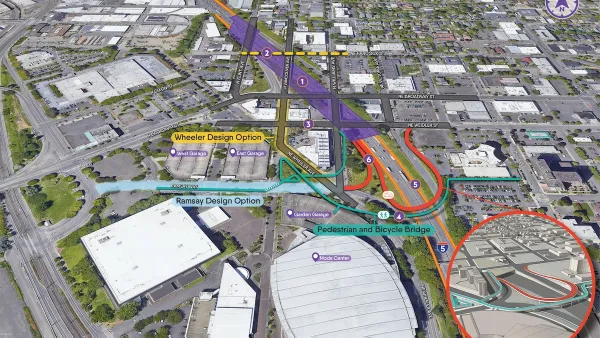
Portland Advocates Call on Feds to Oppose Freeway Expansion
The Oregon DOT is requesting a federal grant to fund a controversial freeway expansion through the Rose Quarter.
GAO: Reconnecting Communities Lacks Clear Goals and Metrics
The program, aimed at supporting highway removals and other projects that work to reverse the impacts of freeway construction, is light on accountability and performance measures, according to a new report.

Planetizen Federal Action Tracker
A weekly monitor of how Trump’s orders and actions are impacting planners and planning in America.

Amtrak, CN end decades-long dispute with eight-year agreement
The new operating agreement establishes an updated framework for the companies to work together, including processes to resolve disputes.

Northwest rail fans eager for Sept. 30 debut of Amtrak’s Airo fleet
Get ready for that new train smell and more seats. But they won’t go faster or run more frequently on the Cascades route in Washington and Oregon.

Brightline Florida files for bankruptcy
The transit company is over $5 billion in debt.

St. Louis Metro to test if single-car trains can reduce operating costs, maintain rider satisfaction
The pilot program will run from October to spring 2027, and begin with one single-car train operating on Metrolink’s Red and Blue lines.

Pennsylvania is building data centers in abandoned mines
Housing data centers in mines provides an alternative to destroying local forests and may spare residents from data centers’ noise and air pollution.

FREE Course: Walkable City 1: Why Walkability?
After describing his path towards focusing on walkability as the essence of good planning, Jeff Speck marches through his five principal reasons for making more walkable places.
Reinventing Malls: Planning Alchemy—Turning Gray Fields Into Gold
The course focuses on the opportunities and imperatives that shape reinvention of mall sites.

City of Thousand Oaks
City of Wisconsin Rapids
Harvard University Graduate School of Design
The Architects Foundation
University of Cincinnati Online
The Pocatello Development Authority
The Urban Renewal Agency of the City of Pocatello

