Why just transition efforts must move beyond economic considerations by embedding human rights principles into business practices to ensure equitable, transparent, and accountable outcomes for affected communities and workers.



In their article published in the Business and Human Rights Journal, Damilola S. Olawuyi, Claire Bright, Samentha Goethals, and Qaraman Hasan critically assess current just transition narratives in the energy and extractive sectors. They argue that while these transitions aim to address climate and economic goals, they often fall short in protecting the human rights of workers, Indigenous communities, and other vulnerable groups affected by decarbonization and resource shifts.
To bridge this gap, the authors propose a rights-based framework that places human rights due diligence, meaningful stakeholder engagement, and transparency at the center of transition strategies. They call on companies to proactively identify and mitigate risks across their operations and supply chains, ensuring that energy transition efforts do not reinforce historical patterns of marginalization or environmental harm. By doing so, businesses can align with international norms and build trust with impacted communities.
Olawuyi, Bright, Goethals, and Hasan conclude by emphasizing the need for collaboration between governments, businesses, and civil society to ensure that just transitions are truly inclusive and equitable. They advocate for integrating human rights standards into both corporate and regulatory practices to support sustainable development that respects the dignity and rights of all stakeholders involved in the shift to a low-carbon future.


Building a Just Transition from the Ground Up
Effective just transitions require locally driven solutions that prioritize inclusion, agency, and accountability, ensuring that communities, cities, and national policies align to create equitable and sustainable economic opportunities.
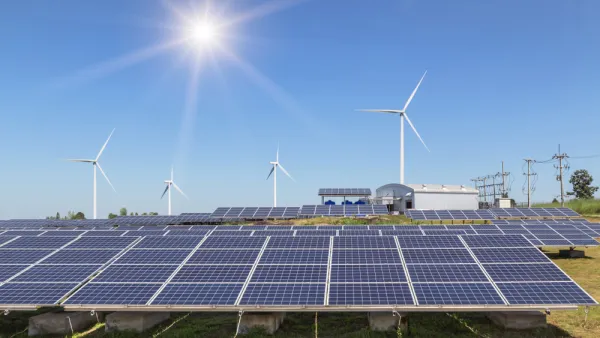
Equity in Energy: Protecting Livelihoods and Restoring Communities
The transition from fossil fuels to renewable energy must be equitable, ensuring that workers receive support, communities are revitalized, and degraded lands are restored to create a more sustainable and inclusive future.
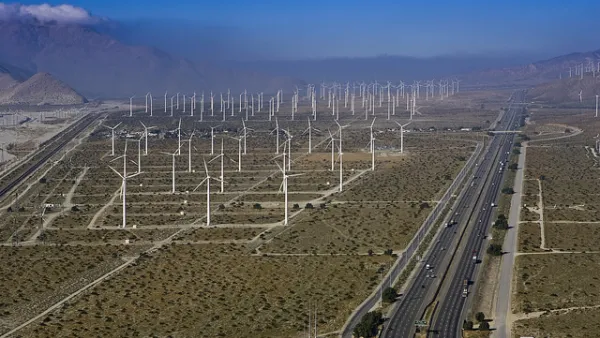
Just Transition: Bringing Equity to the Clean Energy Conversation
A new report from the Environmental Defense Fund offers a roadmap for countries, energy companies, and other stakeholders to navigate the complexities of transitioning to clean energy while ensuring equity at every step of the process.

Planetizen Federal Action Tracker
A weekly monitor of how Trump’s orders and actions are impacting planners and planning in America.

The state-sanctioned urbicide of Austin
People don’t kill cities. Freeways do.

US to reduce Colorado River water deliveries to Mexico
A new Colorado Treaty amendment reduces Mexico’s Colorado River water allocation by 250,000 acre feet.

Colorado’s Largest Data Center Could Rise Next to Homes — Without a Public Hearing
The proposed campus would consume 11 times the power of Denver International Airport; as it has across the country, opposition mounts.

5 New England states march closer to 800 megawatt wind energy project
Securing federal approval for the project may be complicated under the Trump administration, which has historically been hostile towards domestic wind power.

Baltimore to break ground on $50 million Transit Priority Project
The project will bring faster bus trips, safer streets and better bike connections to Baltimore.

FREE Course: Walkable City 1: Why Walkability?
After describing his path towards focusing on walkability as the essence of good planning, Jeff Speck marches through his five principal reasons for making more walkable places.
Reinventing Malls: Planning Alchemy—Turning Gray Fields Into Gold
The course focuses on the opportunities and imperatives that shape reinvention of mall sites.

Eagle County Government
Harvard University Graduate School of Design
Nashville Planning Department
The Architects Foundation
University of Cincinnati Online
The Pocatello Development Authority
The Urban Renewal Agency of the City of Pocatello
Journal of the American Planning Association