Reducing service could cripple transit systems by pushing more riders to consider car ownership, making future recovery even less certain.


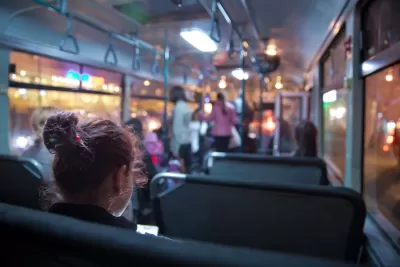
Writing in Bloomberg CityLab, David Zipper argues that, despite imminent budget shortfalls, American public transit agencies should do all they can to avoid cutting service.
Cuts should be a last resort, Zipper argues, because once transit systems lose riders to car ownership, it’s much harder to gain them back. “For transit agencies, it’s a disaster if a regular rider cobbles together enough money to buy an automobile.” Service cuts, even more so than fare increases, are more likely to motivate people to shift modes.
Many U.S. transit agencies face massive funding gaps and few options. “Ideally, an influx of new state, regional or local funding can narrow budget gaps enough for systems to at least maintain what service they currently offer.” However, Zipper warns that by cutting service and losing more passengers, systems are even less likely to regain ridership in the future.
Read the full story: The Last Thing US Transit Agencies Should Do Now


Milwaukee transit agency plans 25% service cuts
The MCTS system will have to make a difficult choice between service frequency and coverage.
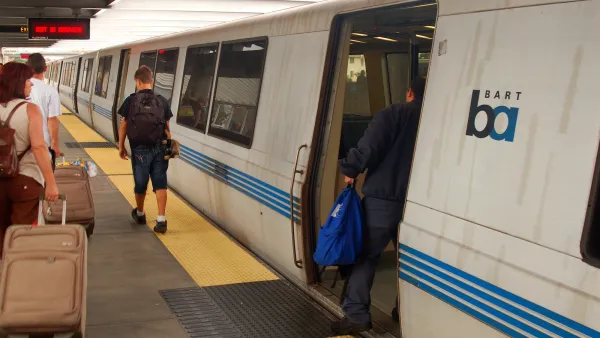
BART Service Cuts, Station Closures Could ‘Set Back the System 50 Years’
The agency could close dozens of stations and eliminate the Blue line between Daly City and Dublin-Pleasanton entirely.
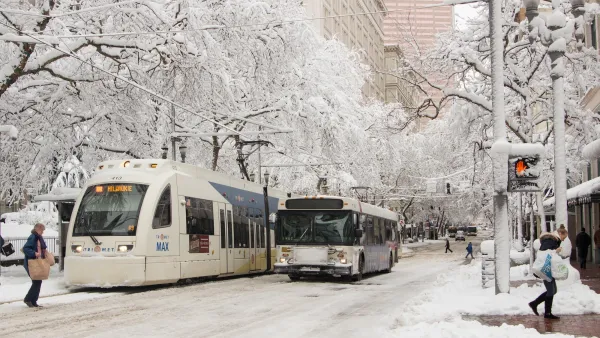
Portland Transit is About to Get a Lot Worse
TriMet is making multiple rounds of service cuts this year as the agency faces a $300 million budget shortfall.

Planetizen Federal Action Tracker
A weekly monitor of how Trump’s orders and actions are impacting planners and planning in America.

Amtrak, CN end decades-long dispute with eight-year agreement
The new operating agreement establishes an updated framework for the companies to work together, including processes to resolve disputes.

Judges permit Denver to divert 77,000 acre feet from the Colorado River for reservoir expansion
Overuse and climate change have caused the Colorado River’s water levels to plummet.

NYC DOT wants faster, more permanent street upgrades
The city is examining ways to build more concrete infrastructure without getting entangled in 'decades-long' projects.

'Something we’ve never seen before:' rising utility rates could strain city finances nationwide
Data centers, climate change and other factors have caused utility rates in the United States to increase by 38% since 2020.

Trump to overrule local leaders, lease millions of acres of America’s Pacific Island territories’ seafloors to mining companies
International law says that the Indigenous people of America’s territories have a right to prior and informed consent regarding projects that impact their countries.

FREE Course: Walkable City 1: Why Walkability?
After describing his path towards focusing on walkability as the essence of good planning, Jeff Speck marches through his five principal reasons for making more walkable places.
Reinventing Malls: Planning Alchemy—Turning Gray Fields Into Gold
The course focuses on the opportunities and imperatives that shape reinvention of mall sites.

Harvard University Graduate School of Design
KFH Group Inc.
Greater Baltimore Committee
The Architects Foundation
University of Cincinnati Online
The Pocatello Development Authority
The Urban Renewal Agency of the City of Pocatello