Transit agencies around the country have purchased over 7,000 zero-emission buses, but a federal program that funds the shift could be eliminated under the new administration.


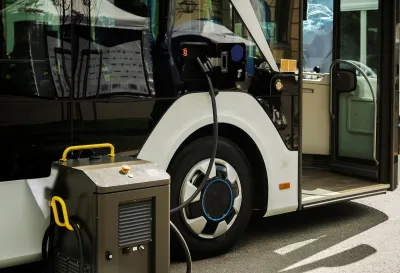
U.S. transit agencies are continuing the effort to transition to zero-emission buses, with a total of 7,026 vehicles “funded, ordered, delivered or on the road as of July 2024.”
According to an article by Dan Zukowski in Smart Cities Dive, that number grew from just over 2,000 in 2019. “California and New York lead the nation in the number of zero-emission buses, followed by Florida, Washington state and Massachusetts.”
Many of the new fleets are funded through the Federal Transit Administration (FTA) Low or No Emission Grant Program and the Grants for Bus and Bus Facilities Program. The program could be in jeopardy after new DOT leadership rescinded Biden-era environmental considerations.
Read the full story: Transit agencies continue to add zero-emission buses to their fleets

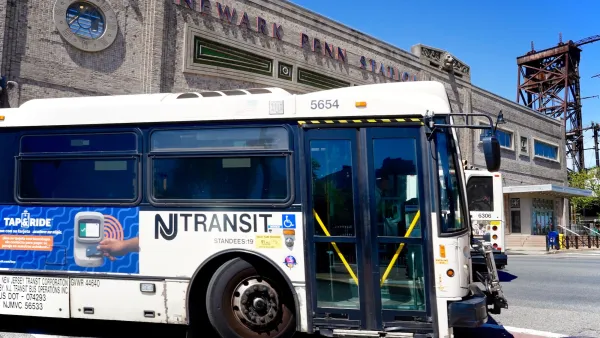
Facing Federal Funding Freeze, NJ Transit Revises Zero-emission Plan
The agency is retooling a plan to modernize its aging bus depots after the Trump administration decided to freeze nearly $324 million in grants.
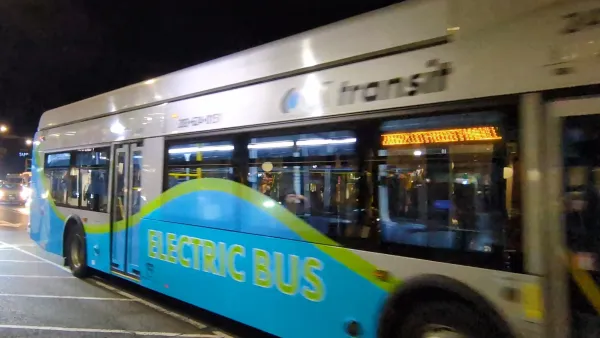
US Transit Fleets Have Bought Over 8,000 Zero-emission Buses
The number of zero-emission transit vehicles grew by 16 percent between 2024 and 2025.
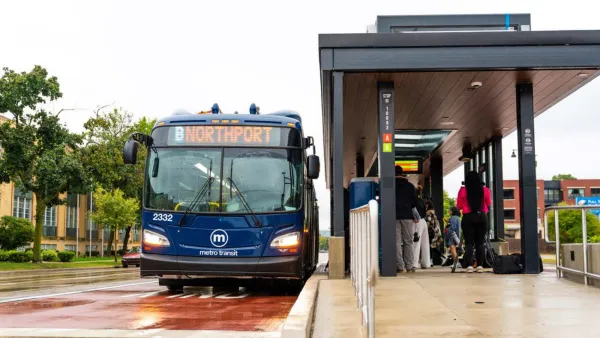
Madison’s Electric Buses Keep Running Through Brutal Freeze
A late January winter storm offered a key test for electric buses that often falter in cold temperatures.

Planetizen Federal Action Tracker
A weekly monitor of how Trump’s orders and actions are impacting planners and planning in America.

California plans to bury El Niño’s downpour
If the state plays its cards right, it may be able to store a billion acre-feet of El Niño’s water in aquifers.

Desperate measures: Advocates weigh draining Lake Powell to fill Colorado River
Draining the reservoir could reduce evaporation losses by a couple hundred thousand acre-feet.

Chicago Avenue bridge construction delays enrages city leaders
The bridge has been closed since 2025. The city originally aimed to re-open it in December, and now expects to finish construction in 2027.

NYC bus network redesign speeds up Queens buses
Rush routes have seen a 4.6% speed increase after the redesign.

California High-Speed Rail Authority picks trainset manufacturer
The California High-Speed Rail Authority aims to start servicing passengers by 2033.

FREE Course: Walkable City 1: Why Walkability?
After describing his path towards focusing on walkability as the essence of good planning, Jeff Speck marches through his five principal reasons for making more walkable places.
Reinventing Malls: Planning Alchemy—Turning Gray Fields Into Gold
The course focuses on the opportunities and imperatives that shape reinvention of mall sites.

City of Rosemead
Rutgers University, Edward J. Bloustein School of Planning and Public Policy
One Hundred Miles
Hunter College, City University of New York (CUNY)
The Architects Foundation
University of Cincinnati Online
City of Cambridge
Montrose County
The Pocatello Development Authority