Without regulatory changes, data centers’ high demand for energy would be subsidized by taxpayers, according to a new study.


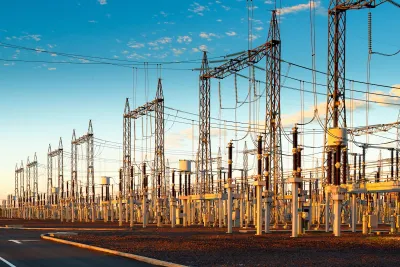
A report from the Harvard Electricity Law Initiative warns that American energy consumers could subsidize the energy used by data centers by billions of dollars, reports Pam Radtke in Governing. “Data centers are forecast to account for up to 12% of all U.S. electricity demand by 2028. They currently use about 4% of all electricity.” According to one author of the report, because data centers use a disproportionately high amount of energy, “We’re all paying for the energy costs of the world’s wealthiest corporations.”
In many cases, utilities are still relying on fossil fuel-powered plants to provide the energy required by data centers. Meanwhile, the “perceived benefits” of data centers are failing to materialize. In Louisiana, “The potential costs aren’t just in bill increases, the paper points out. If utilities can profit from building new generation for data centers, they have no incentive to modernize their systems by switching to renewable or more efficient power, which would provide longer term benefits to customers and the climate.” In northeast Louisiana, a planned data center for Meta will be powered by a natural gas plant, sparking concerns about greenhouse gas emissions.
FULL STORY: Power for Data Centers Could Come at ‘Staggering’ Cost to Consumers


California Bills Would Rein in Data Centers’ Energy Use
A series of proposed bills seeks to limit ratepayer increases and ensure data centers report their energy usage and electricity sources.
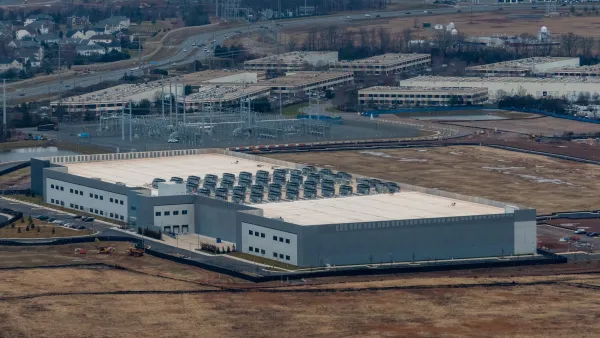
Data center developer offers over $4M per acre to buy out homeowners
Data center builders are outbidding home builders for land, prompting concerns about competition with housing.
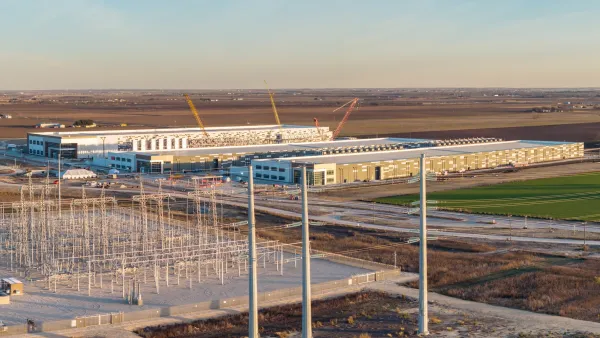
Texas bars data centers from raising utility costs for residents
Gov. Abbott is calling on the state's utility regulator to take steps to reduce energy costs for consumers and ensure data center operators pay for any added costs.

The state-sanctioned urbicide of Austin
People don’t kill cities. Freeways do.

US to reduce Colorado River water deliveries to Mexico
A new Colorado Treaty amendment reduces Mexico’s Colorado River water allocation by 250,000 acre feet.

New Jersey’s second-largest city bans standalone data centers
Jersey City will continue to allow co-location facilities, such as those meant for research institutions that store their own data.

Amtrak not solely to blame for New Jersey commuter rail's unreliability, report finds
A new study from the Garden State Initiative found that NJ Transit’s budget grew 20% across a 4 year period, but reliability declined significantly over the same period.

EPA erases limits on planet-warming pollution from power plants
Under Monday’s plan, power plants would still have some limits on how much mercury, arsenic and other contaminants they can emit.

Phoenix announces new on-demand transit service, more frequent RAPID buses
Both new services will launch in October, and are part of Phoenix's Project Effective Access Solutions for Easing Congestion.

FREE Course: Walkable City 1: Why Walkability?
After describing his path towards focusing on walkability as the essence of good planning, Jeff Speck marches through his five principal reasons for making more walkable places.
Reinventing Malls: Planning Alchemy—Turning Gray Fields Into Gold
The course focuses on the opportunities and imperatives that shape reinvention of mall sites.

Eagle County Government
Harvard University Graduate School of Design
Nashville Planning Department
The Architects Foundation
University of Cincinnati Online
The Pocatello Development Authority
The Urban Renewal Agency of the City of Pocatello
Journal of the American Planning Association